


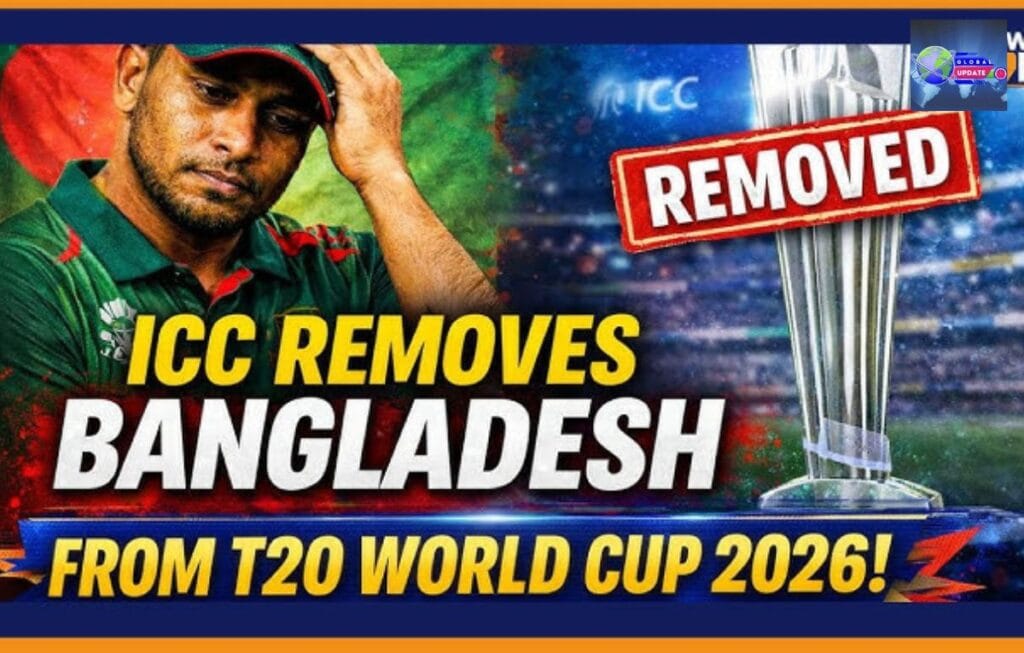

Scotland will compete in the T20 World Cup 2026 after Bangladesh was dropped from the tournament lineup.
The ICC replaced Bangladesh with Scotland in the T20 World Cup 2026 after Bangladesh refused to play in India.
A dramatic development has occurred ahead of the ICC Men’s T20 World Cup 2026.
The International Cricket Council (ICC) has officially replaced Bangladesh with Scotland as a participating team after the Bangladesh Cricket Board (BCB) failed to confirm their participation and meet ICC deadlines.
The global cricket community has been shocked by this major shift, which has raised questions about tournament integrity, politics, and Pakistan’s participation in the event.
The controversial decision comes just weeks before the T20 World Cup—scheduled to begin on 7 February 2026, co-hosted by India and Sri Lanka—and sets the stage for an unprecedented cricketing scenario.
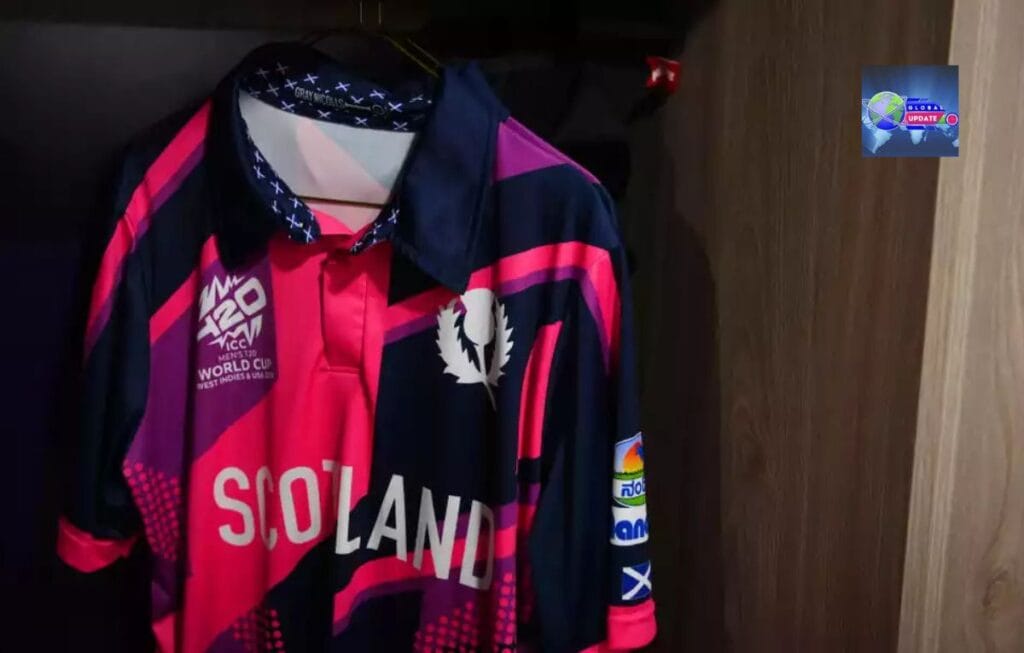
Scotland Takes Bangladesh’s Spot
The ICC’s decision means Scotland will now take Bangladesh’s place in Group C of the tournament, where they will face teams like England, the West Indies, Italy, and Nepal.
This marks a rare last-minute entry for Scotland, which had not initially qualified but now earns an opportunity on the global stage.
According to reports, the BCB failed to communicate a formal decision to the ICC within a 24-hour deadline after extensive negotiations about possibly shifting their matches to Sri Lanka.
Despite Bangladesh’s concerns about travelling to India—including political tensions and player safety—the ICC maintained that the tournament schedule could not be altered so close to the start date.
The replacement underscores the ICC’s stance on tournament commitments and fixture integrity.
The governing body emphasises that flexibility in venue changes or participation must have a clear precedent and justification.
Why Bangladesh Was Removed
Bangladesh’s removal was triggered by their refusal to travel to India for World Cup matches due to ongoing security and political concerns.
Earlier in January, the BCB formally requested that their games—originally set to be played in Indian cities—be relocated to Sri Lanka.
The ICC rejected this request, asserting that independent security assessments did not support the need for such relocation.
When Bangladesh failed to respond within the required timeframe to confirm its participation, the ICC moved to disqualify the team and invite Scotland as its replacement.
Many in the cricket world view this as a strict but precedent-setting move, with the ICC aiming to preserve the structure and fairness of the competition.

Pakistan’s Position: Govt Decision Pending
Amid this turmoil, Pakistan’s Cricket Board Chairman and Interior Minister Mohsin Naqvi has confirmed that Pakistan’s participation in the T20 World Cup now depends on the government’s final decision.
Naqvi emphasised that although the PCB supports Bangladesh’s position and has criticised the ICC’s handling of the situation, Pakistan will follow whatever direction the country’s leadership provides.
Naqvi described Bangladesh’s treatment as “unfair” and urged the equal application of tournament policies, arguing that no country should experience double standards in international cricket.
He reiterated that Pakistan had taken this stance in ICC discussions, but the prime minister and the federal government will make the final decisions on participation once consultations conclude.
Officials noted that Pakistan has backed Bangladesh’s demands for venue relocation and expressed concern that the BCB’s exclusion sets a challenging precedent.
Naqvi stressed that a final decision on whether Pakistan will take part in the tournament—potentially aligning with Bangladesh’s solidarity—will be confirmed after a government review.
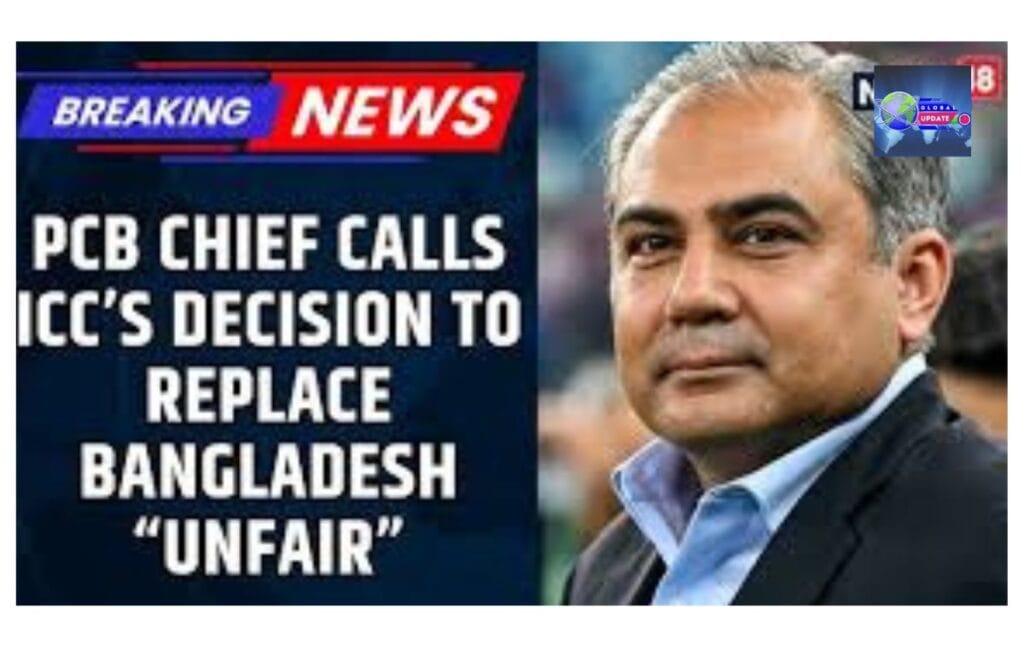
PCB’s Support for Bangladesh Amid Controversy
The Pakistan Cricket Board (PCB) has been one of the few national boards to openly back Bangladesh’s stance on the World Cup issue, arguing for fairness and equitable treatment.
Naqvi has highlighted that Bangladesh is a “major stakeholder” in world cricket and should be accommodated rather than excluded. (Jagonews24)
In public comments, Naqvi criticised what he described as selective decision-making by the ICC, stating that no country should be permitted to impose conditions that effectively push another out of a global event.
He also raised the possibility of a hybrid model—similar to past arrangements where matches are shared across neutral venues—to address such conflicts in the future.
Impact on the T20 World Cup 2026: The ICC Replaced Bangladesh with Scotland
The inclusion of Scotland in place of Bangladesh brings both logistical and competitive implications:
- Group Adjustments: Scotland will now face established teams like England and the West Indies, a significant opportunity for the Scottish side to showcase talent at the highest level.
- Viewership and Stakeholder Dynamics: The absence of Bangladesh’s large fan base could shift the tournament’s commercial and audience dynamics, particularly in key cricket markets.
- Political and Sporting Debate: The incident has amplified ongoing discussions about sports diplomacy, the impact of political tensions on sporting commitments, and how global governing bodies balance fairness with operational necessity.
Moreover, Pakistan’s hesitation to commit fully—pending governmental direction—adds another layer of uncertainty and intrigue surrounding the lead-up to the February 7 kickoff.
Reactions from the Cricket World
Reactions from fans and analysts across the cricketing community have been mixed:
- Some argue the ICC’s decision maintains tournament integrity and scheduling discipline, noting that allowing last-minute changes could disrupt fairness.
- Others argue that the ICC should have given more weight to Bangladesh’s concerns, particularly in light of regional geopolitics and safety perceptions.
Social media discussions have also reflected strong views on both sides of the debate, with some fans applauding Scotland’s unexpected entry and others expressing disappointment at the late reshuffle.
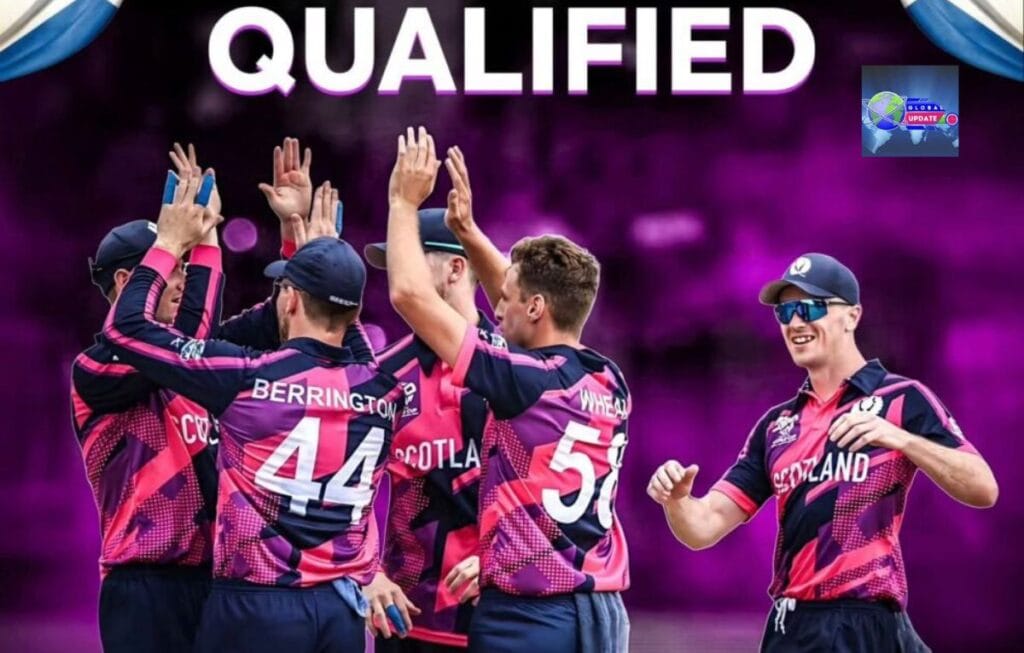
Looking Ahead: Final Decision & Tournament Start
As the World Cup approaches, everyone is eagerly awaiting Pakistan’s final invitation to host the tournament in Islamabad.
Once the Prime Minister returns and consultations are complete, the PCB will formally announce Pakistan’s stance—whether it joins the tournament as scheduled or potentially aligns with Bangladesh’s position.
In the meantime, Scotland prepares nervously for its T20 World Cup debut, while the global cricket calendar braces for one of the most politically charged tournaments in recent memory.