



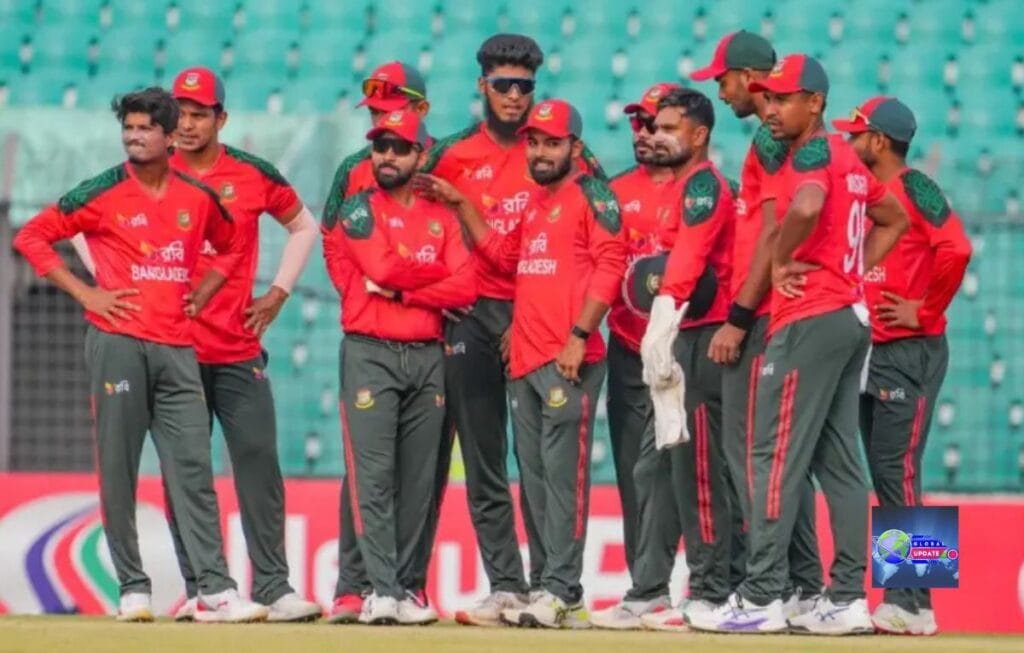
The Bangladesh Cricket Board (BCB) has announced that the national team will not travel to India to participate in the ICC Men’s T20 World Cup 2026.
The tournament is scheduled to begin on February 7, unless the Bangladesh team’s matches are relocated outside of India.
This decision has shaken the cricketing world and sparked intense debate ahead of one of the sport’s most significant global events.
BCB President Aminul Islam Bulbul made it clear after meetings with players and officials that “our only demand is to play the World Cup, but not in India.”
The board is urging the International Cricket Council (ICC) to shift Bangladesh’s fixtures to co-host Sri Lanka or another neutral venue due to perceived security concerns and diplomatic tensions between the two neighbouring nations.
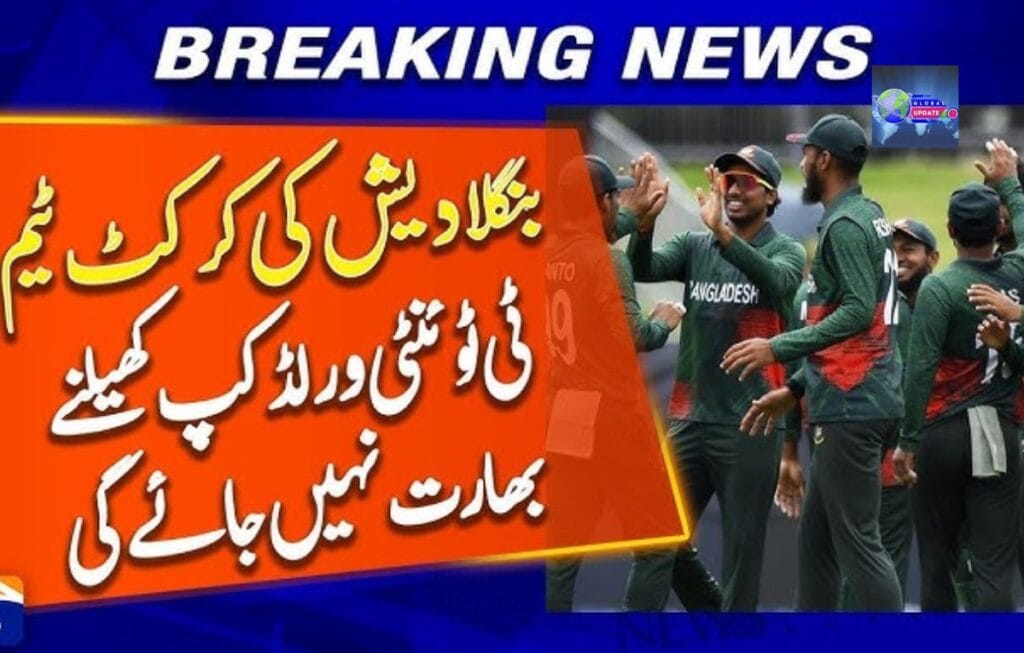
What Triggered the T20 World Cup 2026 Controversy?
Bangladesh’s standoff with the ICC and the BCCI (Board of Control for Cricket in India) stems from lingering security concerns and recent incidents that have escalated diplomatic sensitivities.
An incident occurred when Bangladeshi pacer Mustafizur Rahman released from his Indian Premier League (IPL) team.
The incident, widely interpreted in Dhaka as a security snub, intensified distrust toward cricket administrators in India, according to BCB sources.
Bangladesh officials have cited this event as a key reason behind their reluctance to send the national team to India.
Government support for the board’s stance has been strong.
Asif Nazrul, Bangladesh’s sports adviser, reiterated that the decision not to play in India is a sovereign governmental decision grounded in security assessments made by Dhaka.
He also voiced dissatisfaction with how the ICC handled the situation and said neither the ICC nor Indian authorities made adequate efforts to reassure Bangladesh about player and fan safety.
ICC Rejects Request to Move T20 World Cup 2026 Matches
Despite Bangladesh’s strong appeal, the International Cricket Council has rejected the BCB’s request to relocate their T20 World Cup fixtures from India to Sri Lanka.
The ICC said independent security assessments did not identify any credible threat that would justify rescheduling matches so close to the tournament start, and moving venues would risk undermining the fairness and logistical integrity of the event.
According to ICC officials, the tournament’s schedule and structure have been finalised with input from member boards, and changes now could set a precedent that affects future global events.
The ICC also noted that co-hosting plans between India and Sri Lanka, while complex, remain intact.
In response to this decision, the ICC has reportedly issued an ultimatum to Bangladesh, setting a deadline for the BCB to confirm whether it will send its team to India.
Failing that, the ICC may replace Bangladesh with another team—with Scotland the likely candidate—based on group rankings and logistical feasibility.
Government and Board Speak: ‘Safety Comes First’
Bangladesh’s government and cricket board have doubled down on their position.
At a press briefing, Asif Nazrul emphasised that safety, not politics, is the driving force behind the decision.
He said it was inappropriate for any global body to dismiss security concerns without addressing them transparently, especially when the nation’s leadership has flagged the issue.
Echoing this, BCB President Aminul Islam Bulbul reaffirmed that the board will now consult government authorities one last time to determine the final course of action.
He expressed hope for a “miracle” from the ICC that might lead to a change of venue but acknowledged that the decision ultimately rests with Dhaka.
Islam noted that although players and the government desire Bangladesh’s participation, they must prioritise the safety of players, officials, journalists, and supporters.
This stance highlights the tension between sports diplomacy and national security priorities in international cricket.
Potential Impact on the T20 World Cup 2026
Bangladesh’s refusal to play in India—one of cricket’s major markets—could have far-reaching consequences:
Tournament Integrity and Revenue
Bangladesh is one of the most passionate cricketing nations globally, with a large fan base and a strong commercial presence.
Their withdrawal could affect viewership, sponsorship, and the tournament’s overall revenue projections, especially in markets where Bangladesh fans contribute significantly to broadcast ratings.
Replacement and Re-Draw Implications
If Bangladesh withdraws, the ICC could replace them with Scotland or another eligible team. This would alter group compositions, potentially affecting matchups and competitive balance in Group C of the T20 World Cup.
Diplomatic Repercussions
The broader diplomatic context between India and Bangladesh—compounded by cricket politics—adds complexity to international sports governance.
Observers note that unresolved disputes ahead of significant events can strain bilateral ties and complicate future tours or bilateral series.
Cricket Fans React: Support, Criticism, and Debate
The decision has triggered active discussion among cricket fans, analysts, and social media audiences.
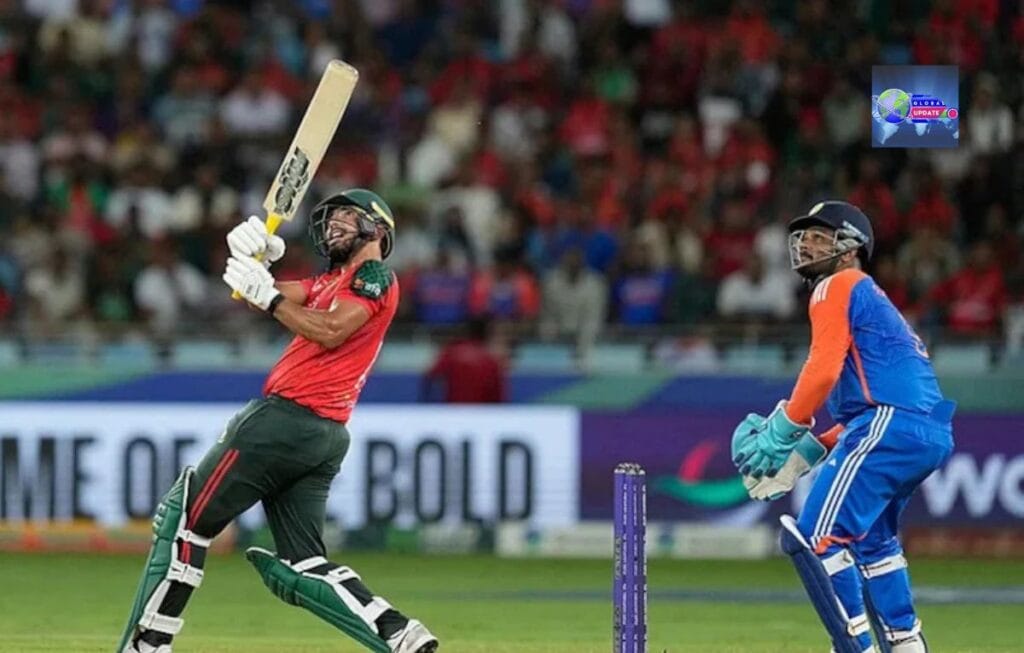
Some supporters emphasise that player safety must come first, arguing that national boards are justified in prioritising security assessments over tournament participation.
Others question the timing and approach, suggesting that avoiding matches in India may have economic and ranking consequences for Bangladesh cricket.
Public opinion is also divided on social platforms, with debates centring on the ICC’s governance, fairness to Bangladesh, and whether similar accommodations have been made for other teams in the past.
There is also commentary about whether cricket’s power structures favour certain nations over others.
Background: Security Concerns Beyond Cricket
Bangladesh’s stance isn’t based on abstract claims—it stems from specific incidents and broader concerns about player treatment and safety assurances.
The controversy gained traction after Mustafizur Rahman’s withdrawal from the IPL earlier this season—widely reported by media outlets—was interpreted by Bangladesh sports authorities as a security issue that wasn’t adequately addressed by Indian counterparts.
Following this incident, the board’s perspective on travelling to India for significant events changed.
Although the IPL incident itself resolved at the franchise level, it still raised concerns.
Bangladesh’s cricket and government officials have argued that it exemplified a lack of confidence in India’s ability to guarantee the safety of visiting athletes and fans.
This issue played a central role in Bangladesh’s decision to participate in the World Cup.
What Happens Next? Timeline & Expectations
Here’s how the situation expected to unfold in the coming days:
- Final Government Consultation: The BCB will discuss once more with the Bangladesh government before formally informing the ICC of its decision.
- ICC Deadline: The ICC has given an ultimatum—typically 24–48 hours—to finalise whether Bangladesh will travel to India or be replaced.
- Possible Replacement Team: Should Bangladesh withdraw, Scotland is the most likely replacement, given rankings and tournament logistics.
- Tournament Start: The T20 World Cup 2026 will kick off on February 7 with matches scheduled across India and Sri Lanka as planned.
Conclusion: A Historic Moment in Cricket Politics
Bangladesh’s decision not to play in India for the T20 World Cup 2026 has quickly become one of the most significant controversies in modern cricket history.
It highlights how security concerns, diplomatic relations, and sports governance intersect on the global stage.
The tournament’s start date is rapidly approaching. The world will be closely watching whether Bangladesh ultimately participates, seeks a venue change, or makes way for another nation.
Whatever the outcome, this standoff underscores the complexities facing international sport—where safety, national pride, and organisational authority converge in high-stakes competition. (Reuters)