


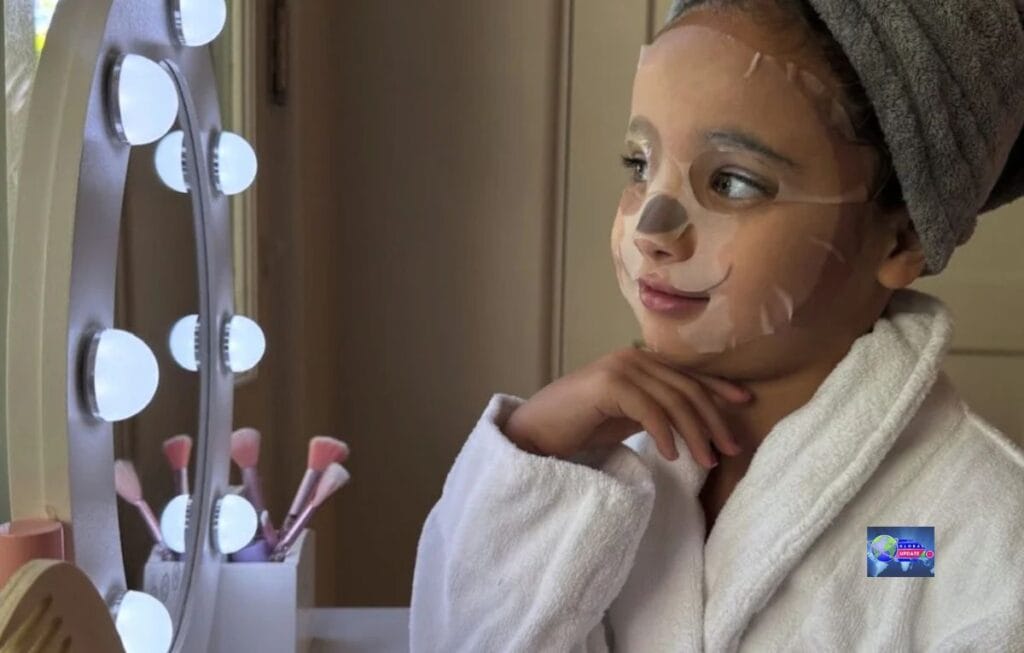

Beauty for kids focuses on gentle, age-appropriate care that encourages confidence without exposing children to harsh products or unnecessary beauty pressure. It highlights simplicity, safety, and nurturing healthy self-esteem from an early age.
A growing wave of beauty companies is now marketing skincare and even makeup to children, some as young as three years old.
The shift has been fueled by social media trends, influencer culture, and demand from younger “Gen Alpha” users (kids born roughly between 2010 and 2024) who are exposed to beauty routines early on via platforms like TikTok and YouTube.
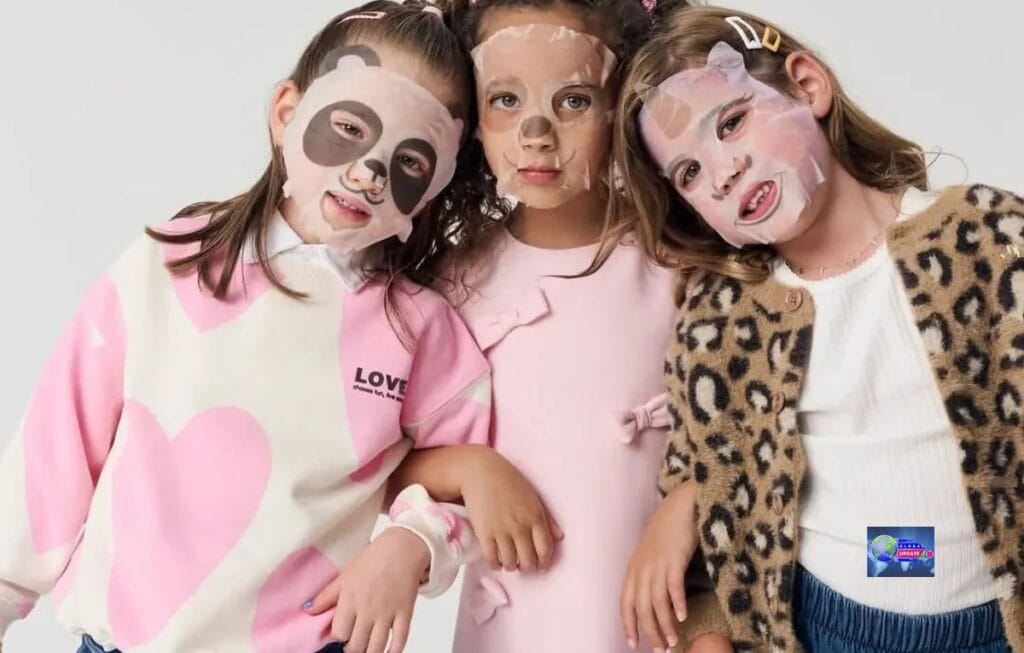
One of the most talked-about recently launched companies is Rini. It sells hydrating face-mask bundles for children, with playful variants like “Puppy,” “Panda,” and “Unicorn.” The bundle (~5 masks) costs about US $35 (≈ €30).
Another brand, Evereden, already established in the U.S., markets moisturisers, toners, and face mists for pre-teens, claiming over $100 million in annual sales.
This movement reflects a broader phenomenon: children and tweens embracing beauty and skincare routines previously reserved for teenagers or adults. Those early adopters have earned the nickname “Sephora Kids”—after the major beauty retailer, to signify kids who act like they are growing up early.
Why This Trend Is Growing: Social Media, Influencers & Changing Norms
Influence of TikTok & YouTube Culture
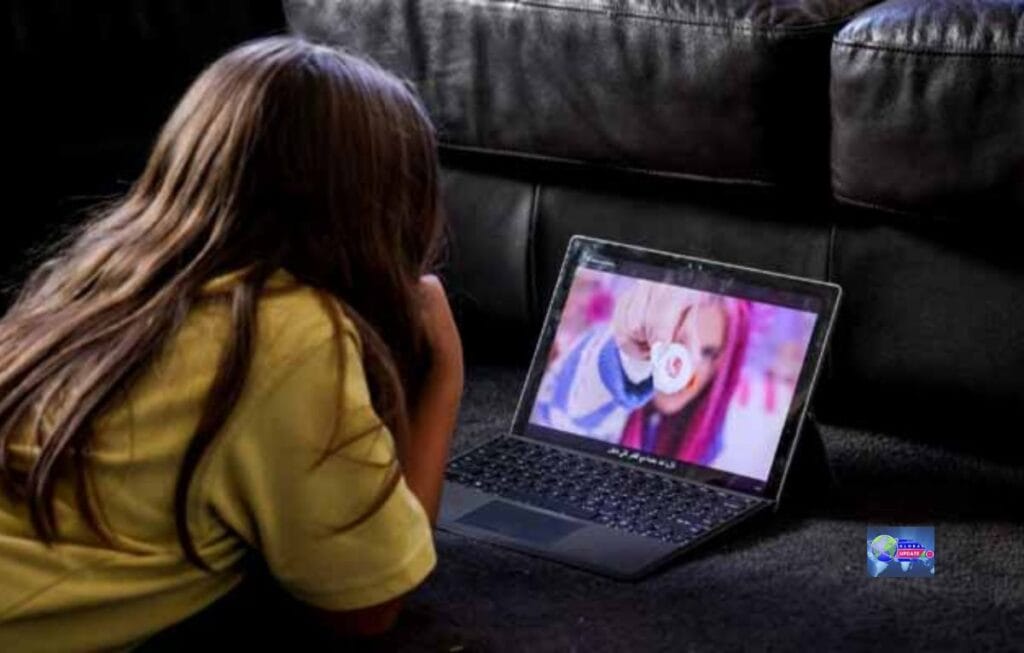
Thanks to TikTok and other short-video platforms, beauty routines, tutorials, and “glam transformations” are no longer limited to older teens and adults. Young users—including pre-teens—follow influencers who share skincare, makeup, and self-care routines. Many children now grow up seeing these practices as usual. (Dawn)
Constant exposure drives demand: when kids see peers, older siblings, or popular creators using products, they often want to imitate, creating a market for child-focused cosmetics.
Market Opportunity & Brand Strategy
Beauty brands have recognised this new demand. Companies like Rini and Evereden explicitly pitch their products as “safe, gentle, kid-friendly” alternatives.
Their marketing often emphasises fun packaging (cartoon animals, bright colours) and a sense of novelty, appealing to both children’s tastes and parents’ willingness to buy.
For brands, children represent a new consumer base, one that expands beyond traditional teen and adult markets.
With rising disposable income and parents open to “pampering” kids, this trend promises profits, especially in Western markets, but increasingly globally.
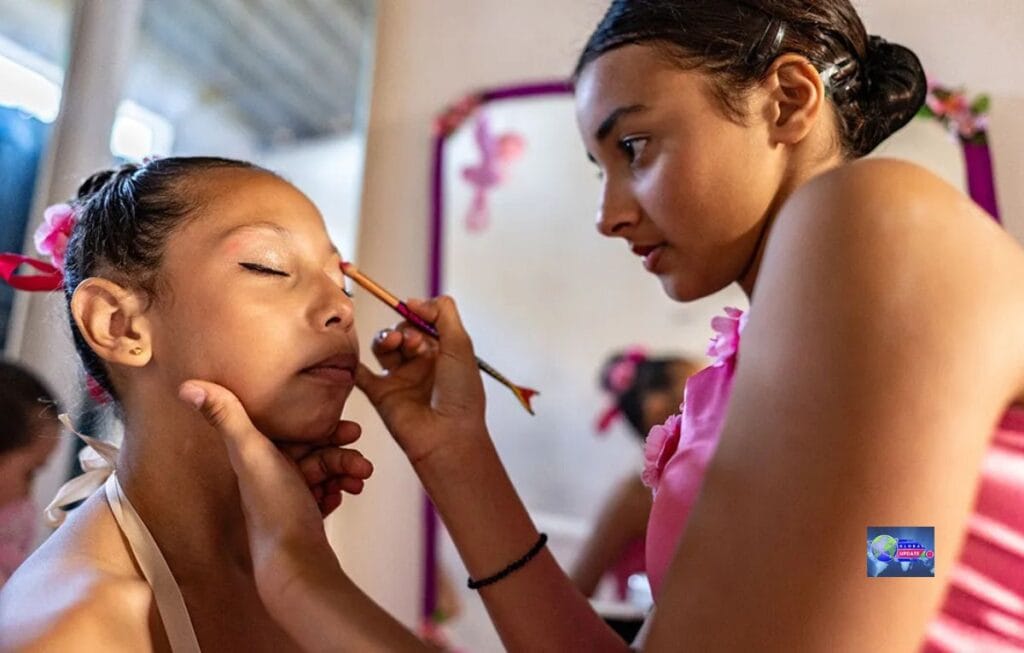
Cultural Shift: Beauty Norms Spreading to Younger
This trend also reflects a more profound cultural shift: beauty and self-care are no longer taboo among younger people.
With rising emphasis on appearance, social media identity, and early adoption of beauty standards, even pre-teens are drawn into routines of creams, masks, and makeup.
Many girls in Gen Alpha now view skincare and beauty as part of their daily lifestyle, not just a teenage fad. (Dawn)
Expert Warnings Beauty for Kids: Skin Health, Hormones & Psychological Concerns
Dermatologists Sound the Alarm
Skin care experts urge caution. According to researchers such as Laurence Coiffard from the University of Nantes, children’s skin usually does not require cosmetics beyond basic hygiene products (toothpaste, shower gel) and sunscreen for sun exposure.
Additional products, such as face masks, are widely considered unnecessary and sometimes harmful.
Indeed, some studies show that using adult-style skincare and masks on children’s sensitive skin can increase the risk of allergic reactions, skin irritation, and long-term hormonal disruption (due to endocrine-disrupting ingredients in certain cosmetics).
A recent report published in Paediatrics documented that many minors on TikTok were using up to six skincare or beauty products per day, including potent serums and lotions meant for adults, raising concerns among dermatologists and paediatricians.
“Children’s skin does not need cosmetics, apart from basic hygiene and sun cream,” Coiffard warned.
Psychological & Social Risks
Aside from physical risks, there are psychological implications:
- Early exposure to beauty standards may instil in children a belief that appearance matters more than natural growth. This can affect self-esteem, body image, and identity at a fragile developmental stage. Some experts warn that child-focused beauty marketing “turns kids into consumers of adult beauty norms.”
- Frequent comparisons and pressure to look “on-trend” can fuel anxiety, peer pressure, and unrealistic expectations about appearance. Researchers argue it might push children away from healthy habits (play, physical activity) toward cosmetic routines.
Some pediatric dermatologists and child-health professionals advocate that children should be allowed to be children, rather than socialised into beauty routines prematurely.
Brands & Products Aimed at Kids: Who’s Targeting Them
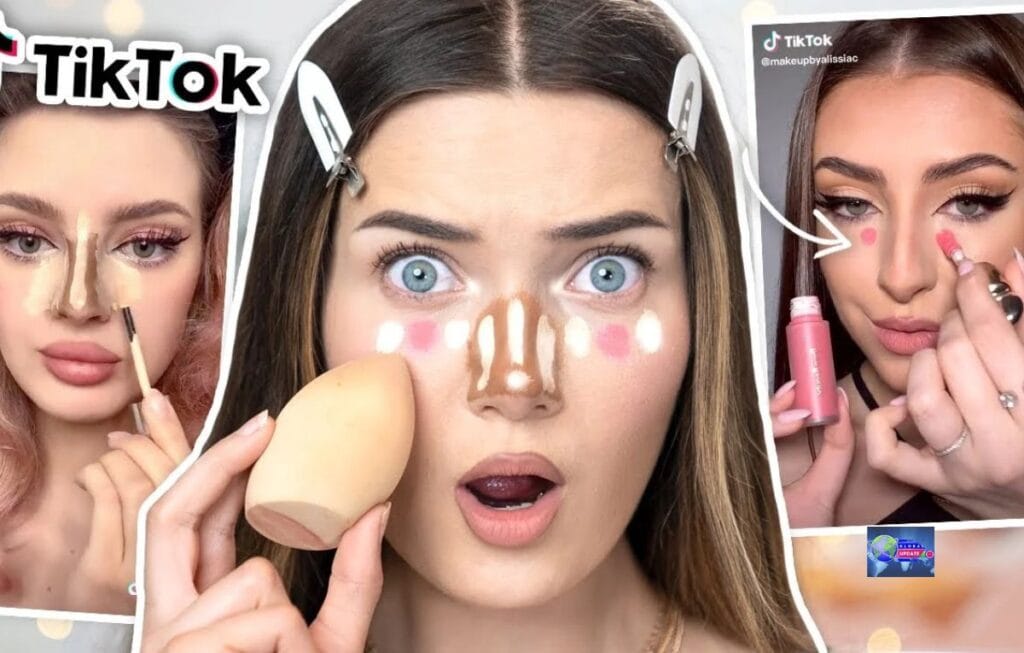
Here is a snapshot of some of the leading beauty product brands and campaigns now targeting children or pre-teens:
| Brand/Company | Target Age/Market | Product Type / Features |
| Rini | Kids as young as 3 years old | Hydrating face masks (puppy, panda, and unicorn varieties)—a bundle of 5 masks priced at ~$35. |
| Evereden | Pre-teens/tweens | Moisturisers, face mists, toners, and adult-style skincare are marketed as “gentle for young skin.” |
| Sincerely yours, | Teens / early teens | Beauty/makeup products launched by a 15-year-old YouTuber; the debut event at a New Jersey mall drew a large youth crowd. |
| Various “adult-beauty” brands (Glow, Drunk Elephant, The Ordinary) | Occasionally marketed to tweens online | Market themselves as “clean,” “gentle,” and “natural,” but dermatologists warn about the potentially harsh active ingredients in these products for kids. |
These brands and their marketing strategies show how deeply the beauty industry pivoting toward younger demographics, often with a veneer of “fun,” “safe,” and “kid-friendly” branding.
Global Reach: This Is Not Just a Western Trend
Though many of the primary brands mentioned are based in the U.S. or Europe, the ripple effects are global.
As social media content flows worldwide, often without geographic boundaries. Children in South Asia, the Middle East, Africa, and other regions are also being influenced.
Articles from international outlets report on “Sephora Kids,” TikTok-inspired skincare routines, and rising sales of youth-targeted cosmetics globally.
Given this, the trend is relevant for parents, policymakers, and educators, and not just in Western countries.
What Experts Recommend: Caution, Awareness & Parental Guidance
What Paediatricians & Dermatologists Advise
- Stick to basics: For children, basic hygiene (soap, gentle cleansers), proper sun protection, and nutrition are sufficient. Avoid adding unnecessary products like masks, serums, or toners.
- Delay skincare routines: Unless recommended by a paediatrician or dermatologist, postpone extensive skincare routines until adolescence.
- Use minimal products: If necessary, use only very mild, hypoallergenic products, ideally those tested or designed for sensitive/pediatric skin.
The Parents & Educators Should Know
- Be aware of social media influence: Understand that trends on TikTok or Instagram are often driven by marketing and may not be healthy or necessary.
- Monitor children’s media consumption: Limit exposure to videos or content that emphasise appearance or beauty standards or that encourage cosmetic routines for kids.
- Encourage self-acceptance: Teach children that natural growth, hygiene, self-care, and healthy habits matter more than beauty routines to avoid early fixation on looks.
- Open communication: Talk with children about peer pressure, social media, and why specific beauty standards might not be suitable for them.
What This Trend Reflects: Larger Social & Cultural Implications
This surge in child-targeted beauty products and routines is not simply a marketing fad; it reveals more profound shifts in how society views childhood, beauty, and identity:
- Growing commercialisation of childhood: Childhood is increasingly seen as a market segment rather than a stage of growth. Children treated as consumers of adult-style products.
- Normalisation of early beauty standards: Beauty, grooming, and appearance-focused routines are becoming normalised for younger age groups, potentially changing self-perception and identity formation.
- Influencer culture’s influence on youth: As children imitate influencers and viral trends. Social media becomes a significant force shaping children’s behaviour, habits, and aspirations.
- Potential shift in societal beauty norms: Early adoption of beauty routines may lead to generational changes in beauty standards, with far-reaching psychological and social consequences.
What to Watch Going Forward
- Research & studies tracking long-term skin & hormonal effects of early cosmetic use among children, their findings could influence regulations and public awareness.
- Policy or regulatory changes: some countries may begin regulating the marketing of cosmetics to minors or require more rigorous testing/labelling for pediatric use.
- Rise of “clean kids” skincare: demand for safe, minimal, hypoallergenic, child-friendly products may increase, creating niche markets for brands that prioritise safety over glamour.
- Shift in parental attitudes and education: With more information and expert warnings, parents may push back against early beautification and return to basics for children’s health.
Conclusion: A Trend with Risks, Not Just Rewards
The emergence of child-focused beauty brands, driven by TikTok-style social media influence and Gen Alpha’s exposure to adult norms, marks a significant shift in how childhood and beauty intersect.
While the trend promises profitable markets, it may also appeal to children socially. The health risks, developmental concerns, and social pressure associated with it cannot ignored.
For now, dermatologists, paediatricians, and child-health experts call for caution, reminding parents that children’s skin rarely needs cosmetics beyond basic hygiene.
At a time when social media normalises beauty, it becomes essential for guardians and society to reflect. Should children allowed to enjoy childhood or asked to grow up too soon, under masks and moisturisers?