


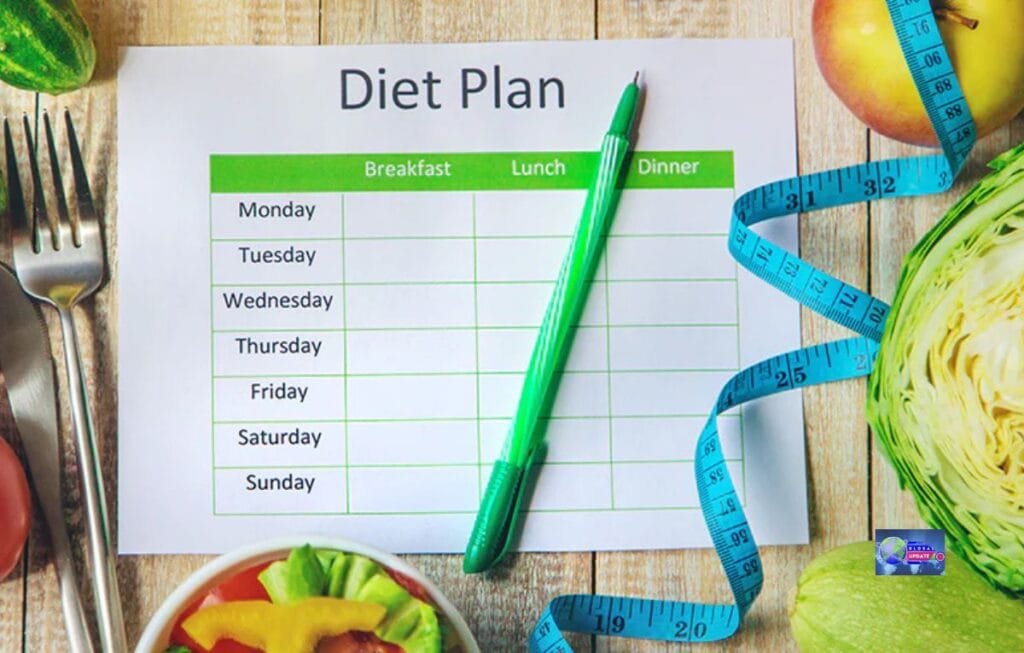

A balanced and condition-specific diet plan helps improve overall health, supports recovery, and promotes long-term wellness for people of all ages.
Diet Plan—Complete Guide for All Ages & Healthy Living
A diet plan is a structured approach to eating that helps you meet specific health and wellness goals, such as balanced nutrition, weight management, improved energy, or enhanced growth.
A good diet plan focuses on nutrient-rich foods, portion control, and healthy habits rather than restricting entire food groups.
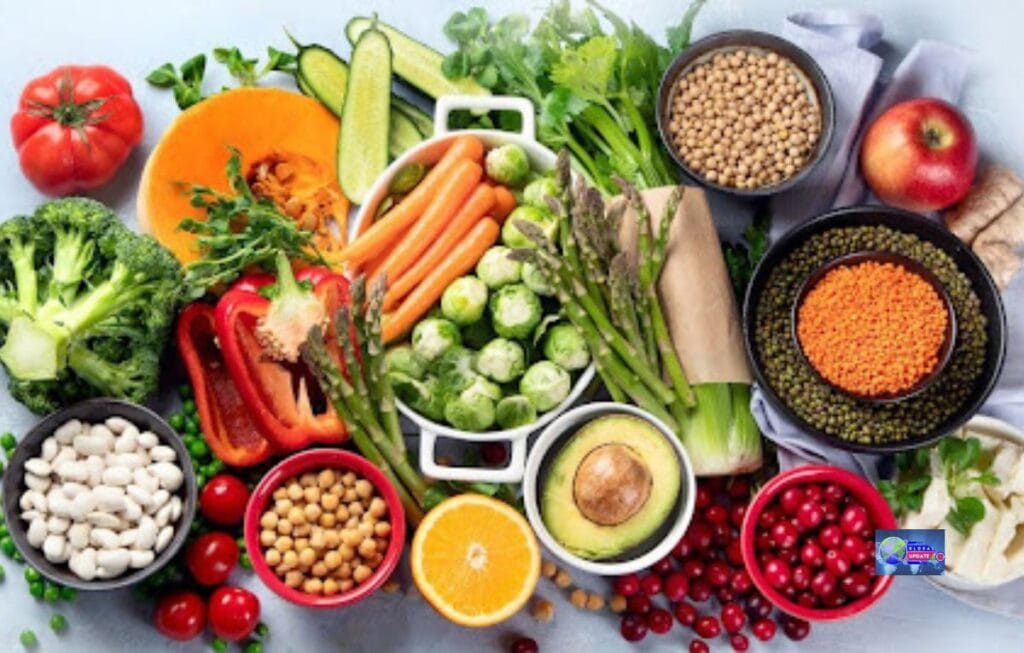
Balanced Diet Plan – Core Principles
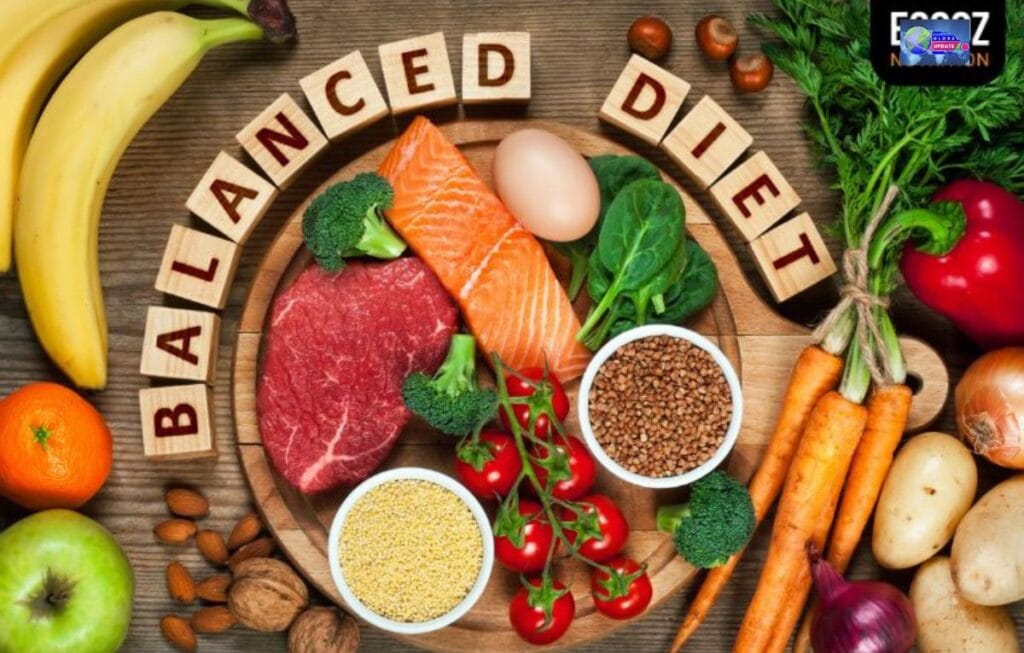
A balanced diet includes foods from all the major groups—fruits, vegetables, grains, proteins, and dairy—in the proper proportions.
It helps maintain a healthy body weight, supports immunity, and promotes overall well-being. Healthy fats, lean proteins, whole grains, and colourful produce should be staples of any diet plan.
Diet Plan for Men
Men typically require more calories than women due to higher muscle mass and metabolic rate.
A practical diet plan for men includes lean proteins (chicken and fish), whole grains (brown rice and oats), vegetables, and healthy fats (nuts and olive oil). Regular hydration and balanced meals help maintain muscle health and energy levels throughout the day.
Diet Plan for Women
Women’s diet plans should focus on iron-rich foods like leafy greens, beans, and lean meats to support blood health, especially during menstruation.
Including calcium (milk, yoghurt) and healthy fats (avocado, nuts) helps bone strength and hormonal balance. Frequent small meals and snacks can help stabilise energy levels.
Diet Plan for Children (Kids)
Children need a varied diet that supports growth and brain development. Fresh fruits, vegetables, whole grains, lean proteins, and dairy should be part of every child’s meals.
Children aged 4–13 need servings of vegetables, fruits, protein, dairy, and grains tailored to their age and activity level for balanced nutrition.
Diet Plan for Teenagers (Ages 10–19)
Teenagers undergo rapid growth and need nutrient-dense meals. A healthy teen eating plan includes balanced portions of carbohydrates (for energy), proteins (for development), and healthy fats.
Teens should also limit sugary snacks and focus on whole foods like fruits, vegetables, eggs, dairy, and lean meats to support bone and muscle development.

Diet Plan for Boys
Active boys, especially those in adolescence, require higher calories and protein to support muscle growth and energy.
A recommended plan includes lean meats, dairy, whole grains, fruits, and vegetables. Adequate hydration and regular meals prevent fatigue and support physical activity and learning.
Diet Plan for Girls
Girls also need balanced diets rich in iron, calcium, and vitamins. Iron helps prevent anaemia—a common concern for teenage girls—and calcium supports strong bones.
Including fruits, leafy greens, nuts, cheese, and fortified cereals ensures essential nutrients are met.
Keep on Reading:
Healthy Diet Plan Basics
- Breakfast: Protein (eggs or yoghurt) + whole grains (oats, whole wheat toast) + fruit.
- Lunch: Lean protein (chicken, fish), vegetables, and whole grains.
- Dinner: Balanced plate with veggies, lean meat or beans, and whole grains.
- Snacks: Fresh fruits, nuts, or yoghurt.
- Hydration: Plenty of water; limit sugary drinks.
Meal Timing & Portion Control
Consistent meal timing and proper portion sizes help regulate hunger and prevent overeating. Eating three balanced meals a day with healthy snacks in between maintains steady energy and supports metabolic health.
Children’s Healthy Diet Guidelines
For younger kids (ages 2–13), making meals colourful and fun encourages better eating habits.
Foods should include fruits, vegetables, grains, dairy, and proteins, balanced with portion sizes based on age and activity level. Avoid sugary snacks and limit salt for better growth outcomes.
Adolescent Nutrition Essentials
Teens need to balance energy needs with healthy choices. Diets should provide adequate fiber, vitamins, and minerals — especially calcium for bones and iron for energy. Limiting high-fat and high-sugar foods improves overall health and supports active lifestyles during growth spurts.
Importance of Hydration in Diet Plans
Water plays a vital role in digestion, nutrient transport, temperature regulation, and appetite control. Diet plans for all ages should emphasise drinking water regularly and limiting sweetened beverages that add empty calories and excessive sugar.
Healthy Fats and Oils
Incorporating healthy fats like olive oil, nuts, seeds, and oily fish supports heart health and brain function, while limiting saturated and trans fats found in fried and processed foods is recommended for better long-term outcomes.
Vegetables and Fruits—Foundation of Diet Plans
Vegetables and fruits are essential in any diet plan because they provide fibre, vitamins, and antioxidants. Variety is vital: include leafy greens, brightly colored vegetables, and a mix of seasonal fruits for maximum benefit.

Protein in Diet Plans
Protein is crucial for muscle repair, immune function, and growth. Good sources include lean meats, fish, eggs, beans, legumes, dairy, nuts, and seeds. Balanced protein intake supports energy and acts as a foundation of every healthy diet plan.
Tips for Stick-With-It Diet Success
To make any diet plan effective:
- Plan meals ahead of time.
- Shop with healthy options in mind.
- Avoid processed and high-sugar foods.
- Make gradual changes, not drastic cuts.
- Pair diet with regular physical activity.
Common Diet Plan Mistakes to Avoid
Avoid skipping meals, extreme calorie restriction, or relying on fad diets that cut out entire food groups. Balanced eating, not elimination, supports sustainable health. Regular check-ins with a healthcare provider or dietitian are helpful.
Diet Plan for Pregnant Women
A pregnant woman’s diet should focus on nutrients that support both the mother and the baby. Foods rich in folic acid, iron, calcium, protein, and fibre are essential during pregnancy.
Fresh fruits, vegetables, whole grains, dairy products, lean meat, and plenty of water help ensure healthy fetal development and maternal well-being.
Healthy Pregnancy Diet Essentials
Pregnant women should eat small, frequent meals to maintain energy and avoid nausea. Avoid junk food, excessive caffeine, and raw or undercooked foods.
A balanced pregnancy diet supports healthy weight gain and reduces pregnancy-related complications.
Diet Plan for Sugar Patients (Diabetes Diet Plan)
A diet plan for patients with diabetes focuses on controlling blood glucose levels through balanced meals.
Low-glycemic foods, whole grains, vegetables, lean proteins, and healthy fats are recommended.
Avoiding refined sugar, sugary drinks, and processed foods helps manage diabetes effectively.
Best Foods for Diabetes Patients
Foods like oats, brown rice, lentils, green vegetables, nuts, seeds, and lean proteins help stabilise blood sugar levels.
Portion control and regular meal timing are key factors in a diabetes-friendly diet plan. Proper hydration also plays an important role.
Diet Plan for Stomach Patients
A stomach patient’s diet plan should be light, easily digestible, and soothing for the digestive system. Soft foods such as rice, bananas, yoghurt, boiled vegetables, and soups help reduce stomach discomfort. Spicy, fried, and acidic foods should be avoided.
Diet for Digestive Health
Eating smaller meals, chewing food properly, and staying hydrated improve digestion. Fibre-rich foods support gut health, while probiotics like yoghurt help maintain healthy digestion.
A calm eating routine reduces stomach-related issues.
Diet Plan for Weak Digestion
People with weak digestion should focus on warm, freshly cooked meals. Herbal teas, steamed vegetables, and easily digestible proteins support stomach health.
Avoid overeating and late-night meals for better digestion.
Special Diet Plan Guidelines
Special diet plans—including pregnancy, diabetes, or stomach-sensitive diets—should always be personalised. Consulting a doctor or nutritionist ensures nutritional needs are met safely. Balanced eating is more effective than strict food restriction.
Muscle Pain Diet Plan
A muscle pain diet plan focuses on reducing inflammation and supporting muscle recovery.
Foods rich in protein, magnesium, potassium, and omega-3 fatty acids help repair muscles. Include eggs, fish, bananas, nuts, seeds, leafy greens, and plenty of water for faster healing.
Best Foods for Muscle Recovery
Anti-inflammatory foods such as turmeric, ginger, berries, and olive oil help reduce muscle soreness.
Adequate protein intake supports muscle repair, while hydration prevents muscle cramps and stiffness. Avoid excessive processed and sugary foods.
Urine Infection Diet Plan (UTI Diet Plan)
A urine infection diet plan helps flush bacteria from the urinary tract and reduce discomfort. Drinking plenty of water is essential to cleanse the system.
Cranberry juice, citrus fruits, yoghurt, and fibre-rich foods support urinary health.
Foods to Eat During a Urinary Tract Infection
Probiotic foods like yoghurt help maintain a healthy gut and urinary bacteria. Vitamin C-rich foods boost immunity and increase urine acidity, helping fight infection.
Avoid caffeine, alcohol, spicy foods, and sugary drinks during a UTI.
Knee Pain Diet Plan
A knee pain diet plan focuses on reducing inflammation and improving joint strength. Calcium, vitamin D, omega-3 fatty acids, and antioxidants are essential for joint health.
Foods such as milk, yoghurt, fish, nuts, seeds, and green vegetables are highly beneficial.
Anti-Inflammatory Diet for Joint Pain
Foods such as turmeric, ginger, fatty fish, berries, and olive oil help reduce joint inflammation. Maintaining a healthy weight through balanced eating also reduces pressure on knee joints.
Avoid fried foods and excessive sugar to prevent inflammation.
Bone and Joint Strength Diet
Strong bones and joints require calcium, vitamin D, and protein. Regular intake of dairy products, eggs, and legumes, and exposure to sunlight support bone density.
Proper nutrition combined with light physical activity improves mobility.
Medical Condition–Friendly Diet Plans
Diet plans for muscle pain, urinary infection, and knee pain should focus on healing, hydration, and inflammation control.
Personalised nutrition tailored to health conditions supports better recovery and long-term comfort. Consulting a healthcare professional is always recommended.
Allergy Patient Diet Plan
An allergy patient’s diet plan focuses on strengthening the immune system and reducing inflammation. Foods rich in vitamin C, antioxidants, and omega-3 fatty acids help control allergic reactions.
Fresh fruits, vegetables, turmeric, ginger, and plenty of water are recommended.
Foods to Avoid During Allergies
Processed foods, artificial additives, excess sugar, and known allergens should be avoided. Limiting dairy and fried foods may help reduce mucus and inflammation.
Keeping meals light and clean helps relieve allergy symptoms more quickly.
Teeth Pain Diet Plan
A teeth pain diet plan includes soft, easy-to-chew foods that do not irritate sensitive teeth.
Warm soups, mashed vegetables, yoghurt, oatmeal, and smoothies help reduce discomfort. Avoid very hot, cold, sweet, or tough foods until the pain subsides.
Best Foods for Dental Health
Calcium-rich foods like milk, cheese, and yoghurt strengthen teeth and bones. Vitamin C from fruits supports gum health, while water helps wash away bacteria.
Avoid sugary snacks and carbonated drinks to prevent further tooth damage.
Eyes Infection Diet Plan
An eye infection diet plan focuses on boosting immunity and supporting eye health.
Foods rich in vitamin A, vitamin C, zinc, and antioxidants help fight infection and improve vision. Carrots, spinach, citrus fruits, eggs, and fish are highly beneficial.
Foods That Support Eye Recovery
Omega-3 fatty acids help reduce eye inflammation, while hydration keeps eyes moist and healthy.
Avoid excessive screen time and junk food during eye infections. A nutritious diet speeds up healing and protects eye function.
Special Care Diet Plans
Diet plans for allergies, dental pain, and eye infections should support healing and comfort.
Nutritious, clean, and balanced foods play a significant role in recovery. Medical advice should always be followed for infections and severe symptoms.
Heart Patient Diet Plan
A heart patient diet plan focuses on improving heart health and reducing cholesterol levels.
Foods rich in fiber, healthy fats, and antioxidants help protect the heart. Include fruits, vegetables, whole grains, fish, nuts, and olive oil while avoiding fried and high-fat foods.
Foods Recommended for Heart Health
Omega-3 fatty acids from fish help reduce inflammation and improve heart function. Limiting salt, sugar, and saturated fats lowers the risk of heart disease.
Regular hydration and portion control support overall cardiovascular health.
BP (Blood Pressure) Diet Plan
A blood pressure diet plan helps control high BP and supports healthy blood circulation. Low-salt foods, potassium-rich fruits, vegetables, and whole grains are essential. Reducing sodium intake plays a key role in maintaining stable blood pressure levels.
Best Diet Practices for BP Patients
Foods like bananas, spinach, oats, yogurt, and beans help regulate blood pressure. Avoid processed foods, salty snacks, and excessive caffeine.
Eating small, balanced meals and staying active improves BP control.
Thyroid Patient Diet Plan
A thyroid diet plan supports proper hormone balance and metabolism. Iodine, selenium, zinc, and protein are important nutrients for thyroid health.
Include eggs, dairy products, seafood, nuts, seeds, fruits, and vegetables in daily meals.
Foods to Avoid for Thyroid Patients
Highly processed foods, excessive soy, and refined sugar should be limited. Eating meals on time and maintaining a balanced routine helps manage thyroid symptoms.
Medical guidance is important for personalized thyroid nutrition.
Liver Patient Diet Plans
A liver patient’s diet plan focuses on detoxification and reducing strain on the liver. Fresh fruits, vegetables, whole grains, and lean proteins support liver recovery.
Avoid alcohol, oily foods, and excessive sugar to protect liver function.
Kidney Patient Diet Plans
A kidney patient’s diet plan helps control fluid balance and reduce waste buildup. Low sodium, controlled protein intake, and proper hydration are essential.
Foods should be selected carefully based on kidney condition and medical advice.

Diet Guidelines for Liver and Kidney Health
Limit salt, processed foods, and artificial additives to reduce organ stress. Fresh, home-cooked meals are easier to digest and healthier. Regular medical checkups help ensure safe and effective dietary management.
Conclusion
A diet plan should be personalised, balanced, and adaptable to your age, gender, and lifestyle.
Whether for men, women, children, teenagers, boys, or girls, a healthy diet emphasises whole foods, adequate hydration, balanced nutrient intake, and regular eating patterns to support growth, energy, and long-term well-being.
A well-planned diet supports health at every stage of life, from childhood to pregnancy and medical conditions.
Whether for men, women, children, pregnant women, patients with diabetes, or patients with stomach issues, the goal of a diet plan is balanced nutrition, better digestion, and long-term wellness.