


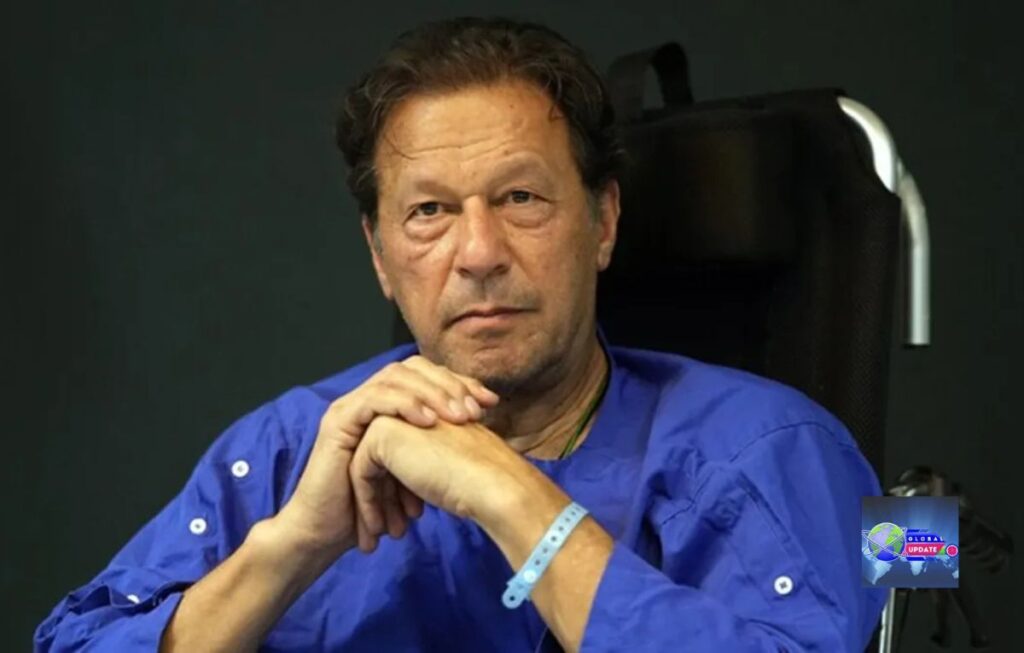

A specialist team of doctors has examined the eye condition of former Pakistani Prime Minister Imran Khan at Adiala Jail in Rawalpindi.
Government sources indicate a marked improvement in Imran Khan’s eye health following treatment, a development that coincides with intense public scrutiny and political debate over his medical care.
This development follows a Supreme Court order for a comprehensive medical evaluation after Imran reported significant vision loss in his right eye, sparking nationwide concern about his well-being.
Context: Eye Condition and Vision Loss Allegations
Earlier this month, Imran Khan—currently incarcerated at Adiala Jail on a corruption conviction—informed a court that he had lost a significant portion of vision in his right eye, estimated at only 15% of his remaining vision.
His lawyer submitted a report highlighting his long-standing blurred vision and urging immediate specialist intervention.
The situation prompted the Supreme Court of Pakistan to order a medical board to conduct a detailed eye examination and make treatment recommendations, including the possibility of hospital referral.
Specialist Doctors Begin Examination at Adiala Jail
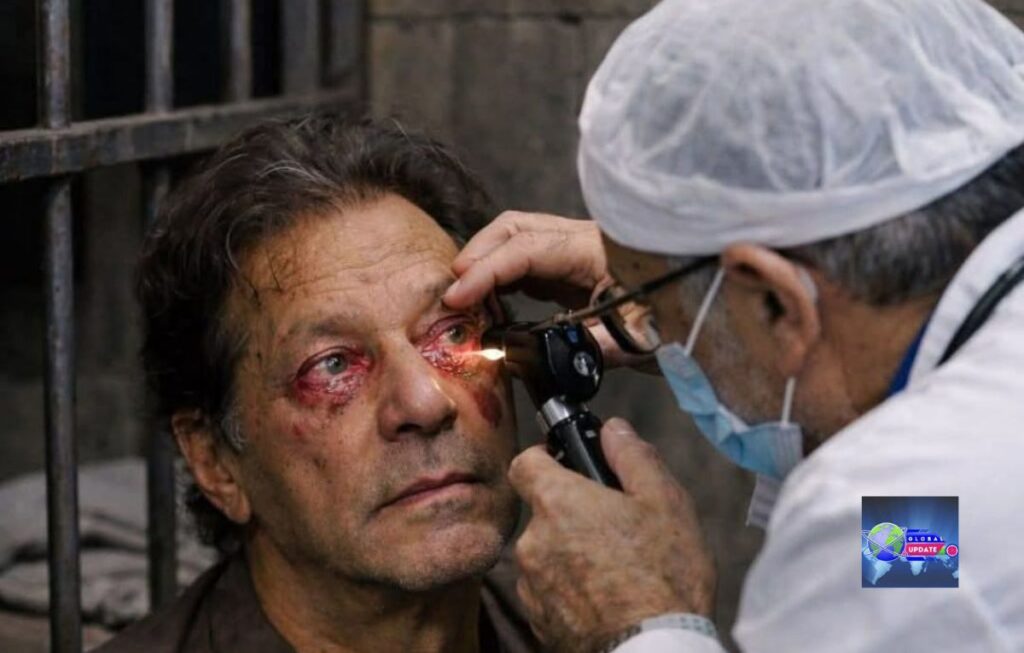
On February 15, 2026, a five-member panel of specialist doctors arrived at Adiala Jail to assess Imran Khan’s eye condition.
The team included senior ophthalmologists equipped with specialised medical equipment for comprehensive testing.
The examination—held under strict security arrangements—included detailed eye checks, blood sampling, and vital sign monitoring.
Jail officials said the findings would be documented in a medical report to be sent to the Punjab government ahead of decisions on further treatment.
Several doctors who conducted the examination expressed satisfaction with the progress of treatment, reporting that Imran Khan’s eye condition showed “marked improvement” and that there is a possibility of full recovery if treatment continues effectively.
Treatment History and Previous Procedures
Before the Adiala Jail examination, Imran Khan underwent a medical check-up at the Pakistan Institute of Medical Sciences (PIMS) after complaining of reduced vision in his right eye.
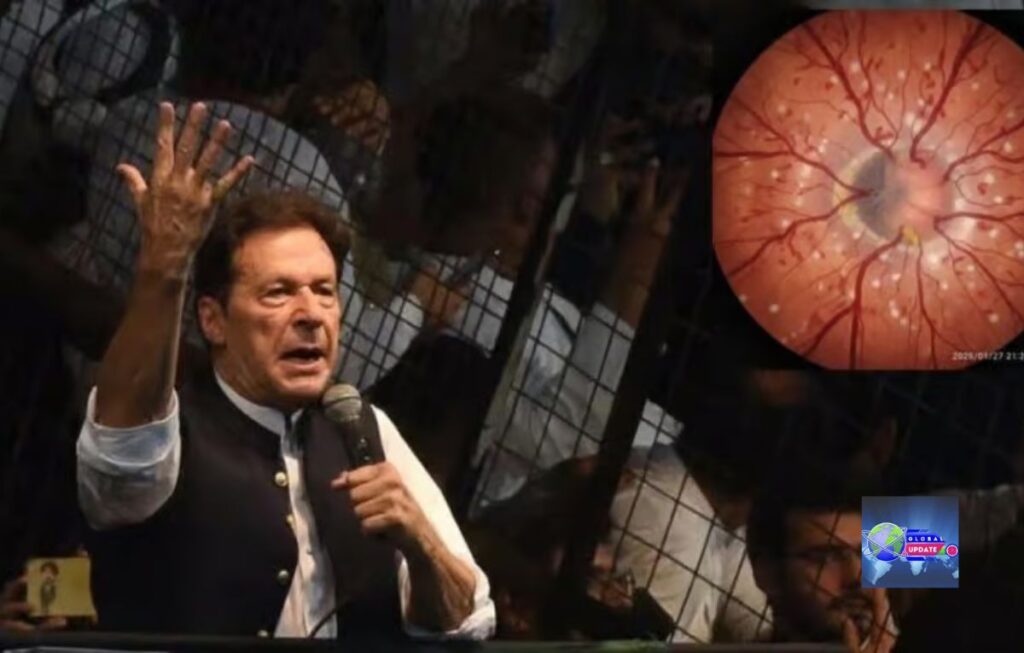
Specialists at PIMS diagnosed him with central retinal vein occlusion (CRVO), a condition involving blockage of a main retinal vein.
A 20-minute treatment was performed at PIMS, and hospital officials stated that Khan remained stable throughout the procedure.
However, his family and party leaders raised concerns over the delay in accessing specialist care and the adequacy of treatment provided.
His reported condition and treatment delays have sparked intense political debate, with his supporters arguing for immediate transfer to a specialised hospital for further intervention.
Political Reactions and PTI’s Stance
Imran Khan is the founder and chairman of the Pakistan Tehreek-e-Insaf (PTI) party. Strongly criticised the medical examination carried out inside jail without the presence of his family and personal physicians, labelling it “malicious” and lacking transparency.
PTI’s leadership demanded that Imran be taken to a reputable hospital and that his own medical team be involved in assessing and managing his treatment, claiming patient rights and constitutional protections are being violated.
In response, authorities clarified that the medical board would determine if a hospital transfer is necessary based on the eye examination report and that they were operating under medical protocols and legal directives.

Health Updates and Vision Prognosis
Doctors involved in the examination reported that treatment appears to be working, and Khan’s eye condition has shown noticeable improvement compared with earlier assessments.
They indicated a possible full recovery, although the exact prognosis will depend on continued care and specialist guidance.
Specialists took vital signs, including blood pressure, pulse, blood sugar levels, and detailed eye health indicators, during the check-up. These assessments will help shape treatment plans and determine the next steps.
Daily medical evaluations continue under the supervision of jail health staff, who maintain thorough records of Khan’s ongoing condition.
Possible Transfer to Hospital Care
Following the medical board’s examination, the government has decided in principle to arrange for further evaluation and treatment at a hospital, potentially outside the jail premises, in recognition of the seriousness of Khan’s eye condition.
However, the exact hospital for transfer has not been publicly disclosed, and the decision is pending final medical recommendations.
Health officials affirmed that access to specialised medical care will be provided in accordance with medical guidance and jail protocols.
They also dismissed claims that Khan’s life is in immediate danger, emphasising that overall treatment is being conducted professionally.
Broader Implications for Prisoner Healthcare
Imran Khan’s health situation has triggered a broad debate over the medical rights of prisoners, especially high-profile detainees.
Lawyers, human rights groups, and civil society leaders have voiced concern about ensuring adequate access to independent and transparent healthcare for incarcerated individuals.
The Supreme Court’s involvement in ordering a medical board highlights the sound legal principles governing prisoners’ rights to medical attention and the need for such evaluations to be thorough and fair.
The case has also sparked protests and political actions, including sit-ins by opposition groups demanding proper medical care and custody conditions for Imran Khan.
What the Doctors Found: Medical Observations
The medical panel was comprehensive in its approach, using a range of detailed tests to assess Khan’s eye condition and general health:
- Specialist eye examinations focused on the retina and visual acuity.
- Blood samples were taken to assess systemic conditions that could influence eye health.
- Vital signs, including blood pressure and pulse, were monitored to detect any broader health issues.
- The examination lasted roughly an hour and involved multiple specialists working together.
These medical findings documented and sent to the Punjab Home Department for official records and further action.
Imran’s Medical History and Condition Timeline
Imran Khan’s vision issues reportedly began in late 2025, with progressive blurring and loss of clarity in the right eye.
His lawyer and family reported that he had experiencing symptoms for months before formal medical intervention was arranged.
Earlier PIMS treatment identified central retinal vein occlusion (CRVO), a serious eye condition that can threaten vision if not treated promptly with injections and specialised care.
The recent medical examination by the specialist team was part of a court-ordered effort to ensure proper evaluation and care following a civil rights petition filed with the Supreme Court.
Public and Family Reactions
The health developments have drawn strong emotions from his family, supporters, and political allies.
Khan’s sister and close relatives have publicly questioned the timing, transparency, and adequacy of medical procedures conducted without their participation.
Supporters hope that Khan will receive improved treatment and specialist oversight. Khan may regain more vision and avoid long-term damage to his eye. Meanwhile, critics emphasise the need to follow medical protocol and ensure that professionals guide health decisions.
Summary of Key Updates
- A five-member specialist medical team examined Imran Khan’s eye at Adiala Jail under strict security.
- Doctors expressed satisfaction with the treatment to date and noted a marked improvement in his eye condition.
- Initial findings suggest a possibility of full recovery with continued care.
- The examination included comprehensive eye checks and a vitals assessment.
- A decision to potentially move Khan to a hospital for further treatment is being considered.
- PTI and family members have raised concerns about transparency and medical access.
Looking Ahead
The political and legal drama surrounding Imran Khan’s incarceration in Pakistan is still ongoing. The medical evaluation of his eye condition remains a critical focal point.
Observers will watch closely to see whether further specialist care needed. Potentially at a hospital, it is authorised to determine how ongoing treatment affects his long-term vision prospects.
This episode demonstrates the need for adequate medical care for prisoners. This is especially true in high-profile cases where public confidence and human rights norms are at risk.
Managing his condition responsibly and with appropriate medical oversight will require continuous monitoring and transparent reporting. (Dunya News)