


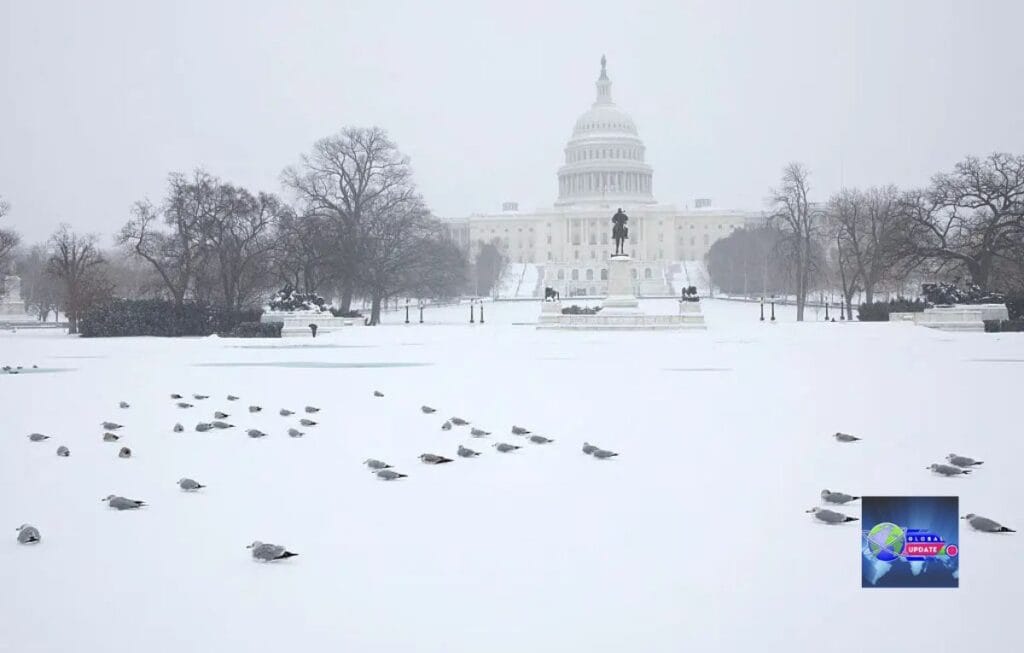

The USA winter storm has caused widespread snow and ice accumulation and power outages across multiple states.
Historic USA Winter Storm Fern Pummels Nation—Snow, Ice and Power Outages Across States
A major winter storm, named Winter Storm Fern, has unleashed snow, sleet, freezing rain, and dangerously cold temperatures across much of the United States.
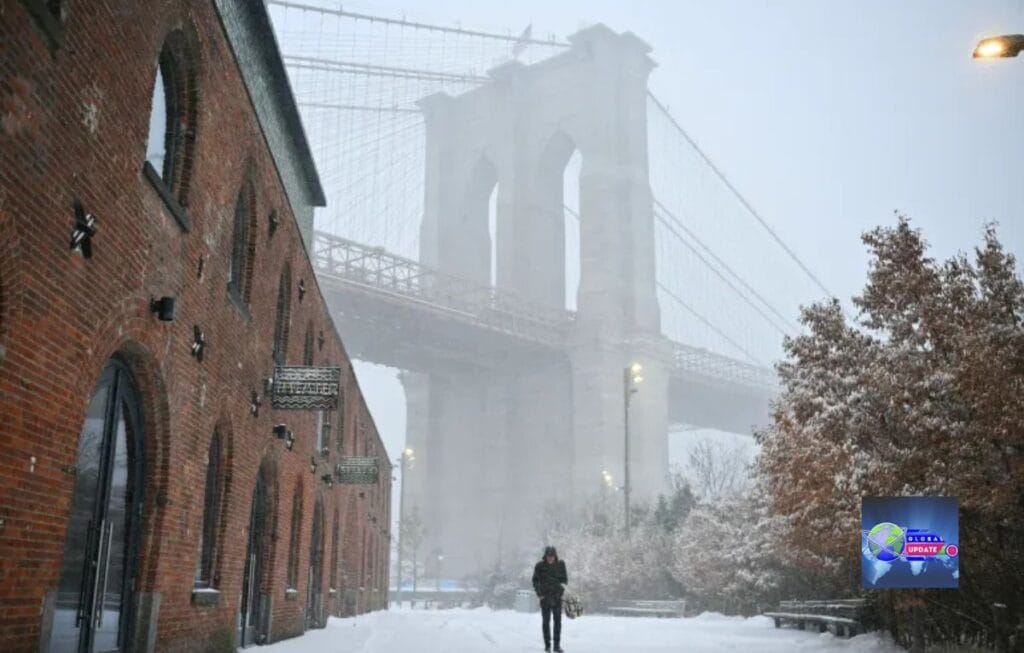
As it continues to move from the South into the Northeast, it has triggered widespread travel chaos, power outages, and at least six confirmed deaths.
The storm has quickly become one of the most impactful winter weather events of 2026, affecting millions of people and straining infrastructure from Texas to New England.
Officials say the weather system, driven by an Arctic polar vortex blast, has prompted winter storm warnings across more than 30 states.
Temperatures have dropped significantly below freezing, causing dangerous ice to accumulate on roads and power lines.
The National Weather Service has described the event as a unique, widespread storm affecting a large swath of the country.
Snow, Ice and Freezing Rain Across Wide Regions
From the Lower Mississippi Valley to the Northeast, snow and sleet have blanketed cities and countryside alike.
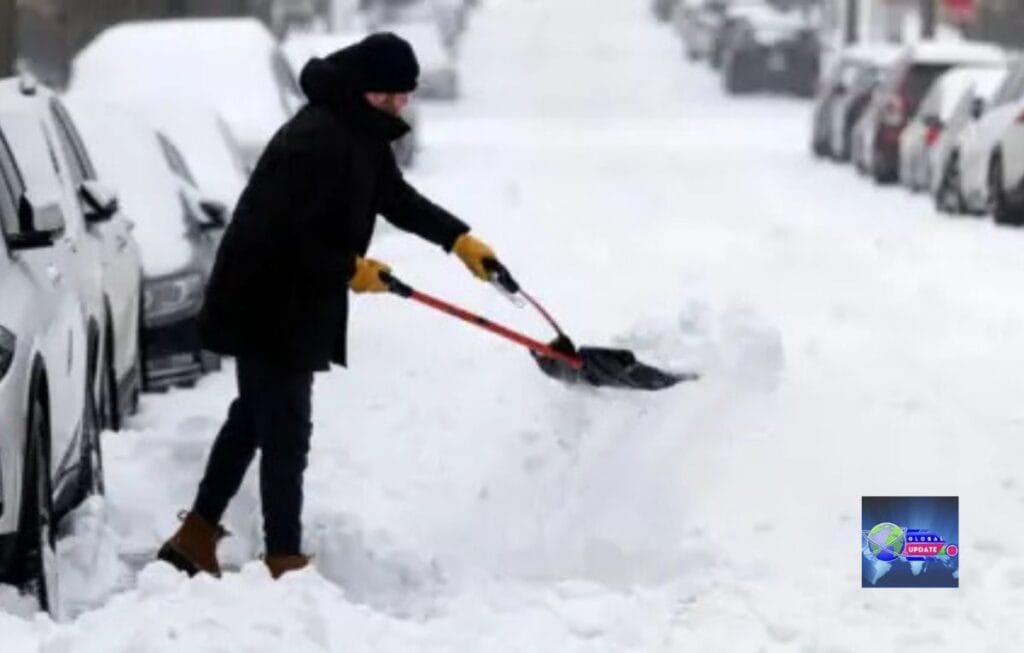
Many areas are receiving over a foot of snow, along with sheets of ice that have made roads treacherous.
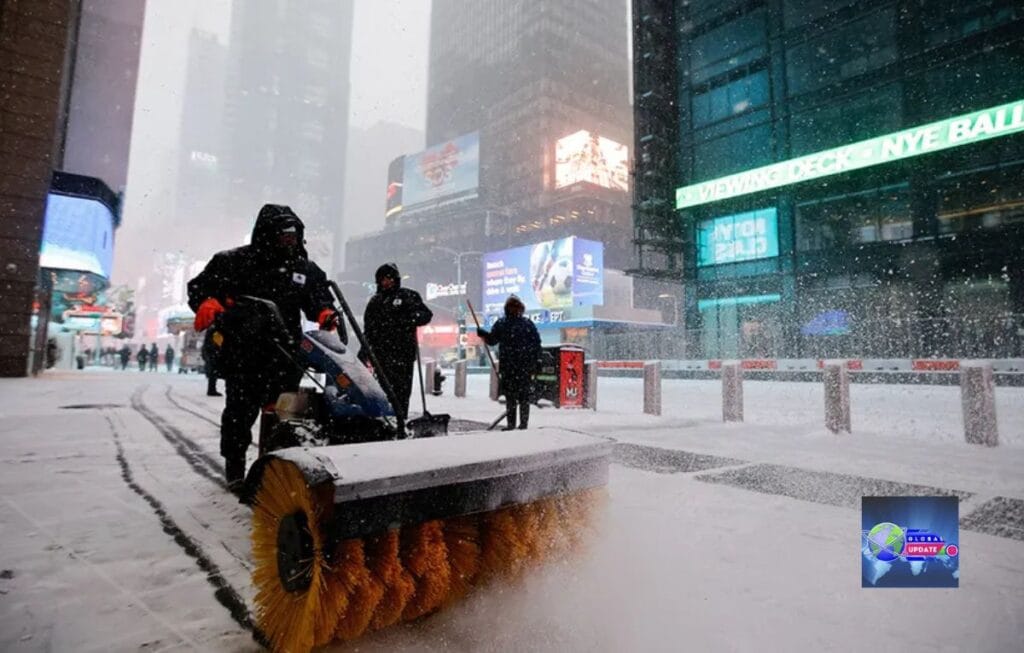
Major metropolitan regions, including New York City and the Tri-State Area, recorded significant snowfall that disrupted daily life and travel for millions of people.
In parts of the Hudson Valley, snowfall totals reached 18 inches or more, ranking among the highest in recent memory.
Meanwhile, freezing rain and sleet brought dangerous conditions farther south, into states like Louisiana and Mississippi, where unexpected winter weather has created additional hazards.
Widespread Power Outages and Travel Chaos
The storm has knocked out power to over 1 million customers across several states, with Tennessee, Mississippi, Louisiana, and Alabama among the hardest hit.
Heavy ice accumulating on tree branches and power lines caused significant infrastructure damage, leaving families without heat in frigid conditions.
Air travel has been severely disrupted, with more than 10,000 flights cancelled and thousands more delayed nationwide—one of the highest single-day cancellation totals in recent memory.
Airports in major hubs such as Atlanta, Boston, and New York have faced mounting delays, and airlines have warned travellers to expect continued schedule uncertainty.
Emergency Declarations and Safety Alerts
In response to the severe weather, emergency declarations were issued in at least 16 states and Washington, D.C., unlocking state and federal resources to support storm response and public safety efforts.
The Federal Emergency Management Agency (FEMA) has prepositioned search-and-rescue teams, shelters, and emergency supplies in areas expected to face the greatest challenges.
Officials have issued stark warnings about enduring dangerously cold temperatures and life-threatening wind chills, especially in areas of the northern Plains and Upper Midwest.
In some locations, wind chill values were forecast to dip to -50°F or lower, posing an extreme risk of frostbite and hypothermia.
Road, Rail and Transit Systems Disrupted
Severe disruptions have affected travel conditions across the U.S. Snow and ice have made highways and interstates nearly impassable in many regions, leading to road closures and multiple vehicle accidents.
Ice storm warnings reached states that were not prepared for such extreme winter weather, leaving some communities unprepared.
Rail and transit systems are also feeling the impact.
Major freight and passenger rail lines reported delays and service suspensions due to snow-covered tracks and safety concerns.
Public transit agencies in big cities like New York and Washington adjusted schedules or temporarily shut down lines to protect riders.
Human Toll and Fatalities Reported
The storm confirmed at least six deaths, with victims found in several different states amid the extreme cold and hazardous conditions.
Authorities in Louisiana, Texas, and Tennessee reported fatalities related to hypothermia and weather-related travel incidents as temperatures plummeted.
Public safety officials are urging residents to exercise caution, stay off the roads unless absolutely necessary, and check on vulnerable neighbours, especially those without heat or electricity, as the storm continues.
Record-Setting Conditions and Historical Context
Meteorologists say this USA winter storm could rank among the most extensive in years, with a combination of heavy snow, ice accumulation, and freezing rain affecting over 200 million people—roughly two-thirds of the U.S. population—creating a rare and powerful weather event.
In areas like the Northeast, snowfall totals are approaching or surpassing figures not seen in nearly a decade, while down south, ice storms of this magnitude are unusual and therefore exceptionally disruptive
Energy and Infrastructure Challenges
The prolonged cold and ice accumulation have strained the nation’s energy grid, complicating power restoration efforts.
Officials warn that power may not return for some customers for days, especially in regions where ice damage to power lines is widespread.
Utility companies are working around the clock to restore service, but crews can only operate safely once conditions improve.
In the meantime, shelters and warming centres have opened in many urban areas to protect vulnerable residents from the frigid temperatures.
Outlook: Storm to Persist and Cold to Linger
Although the worst of the precipitation may taper off, meteorologists say that extreme cold will linger for days, prolonging the hazard period.
Snow and ice already on roads and highways could remain for an extended time, and continued freezing temperatures may hamper recovery efforts
Residents are being advised to stay prepared with adequate supplies—fuel, food, medications, and warm clothing—as authorities expect the storm’s effects to continue into the early part of the coming week.
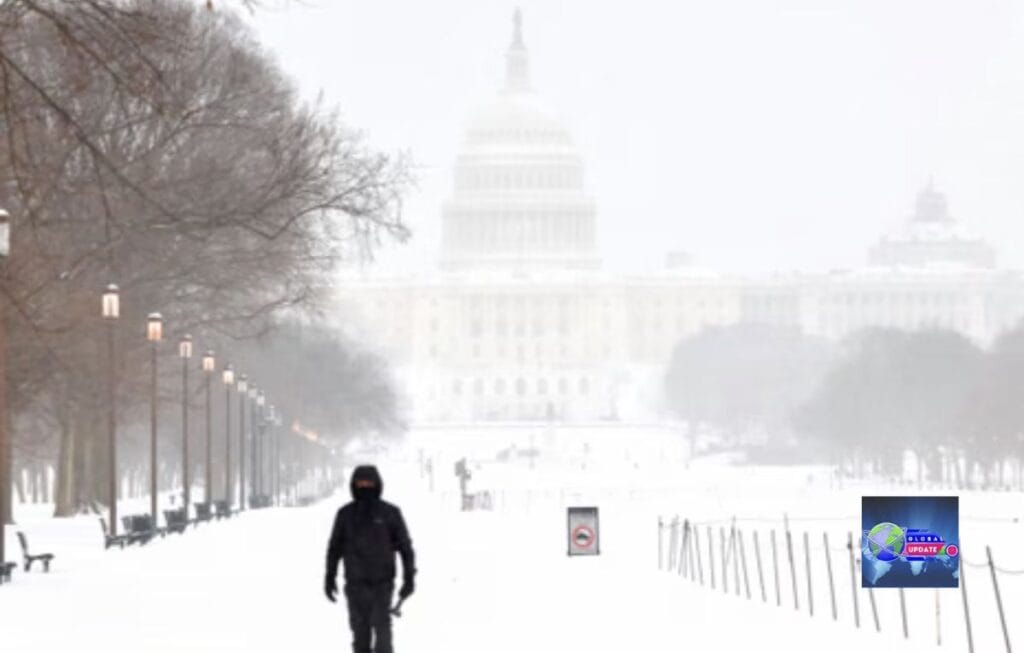
Washington Key Facts at a Glance
- Storm Name: Winter Storm Fern
- Areas Affected: Southern U.S., Midwest, Northeast, Mid-Atlantic
- Power Outages: 1,000,000+ customers affected
- Flight Cancellations: 10,000+ nationwide
- Snowfall: 12–18+ inches in multiple regions
- Fatalities: At least six reported
- Emergency Declarations: 16+ states and Washington, D.C.
This unfolding winter storm has demonstrated the vast power and reach of extreme weather systems across the United States and underscores the heightened risks they pose to infrastructure, travel, and daily life. (Al Jazeera)