


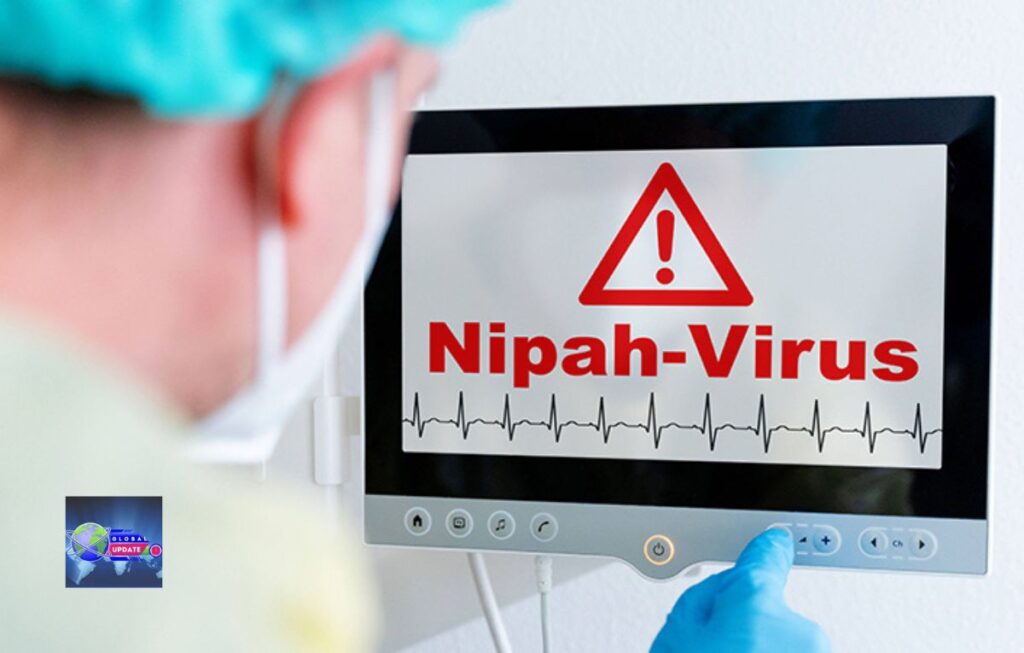

A deadly virus known as the Nipah virus has drawn renewed global attention after a small cluster of cases was confirmed in West Bengal, India, in late January 2026.
Authorities and health agencies across Asia have stepped up screening and surveillance to prevent any wider spread, despite the outbreak remaining limited.
Nipah virus (NiV) is closely monitored by the World Health Organisation (WHO) and other public health bodies because of its high fatality rate and potential to cause severe disease.
What is the Nipah virus?
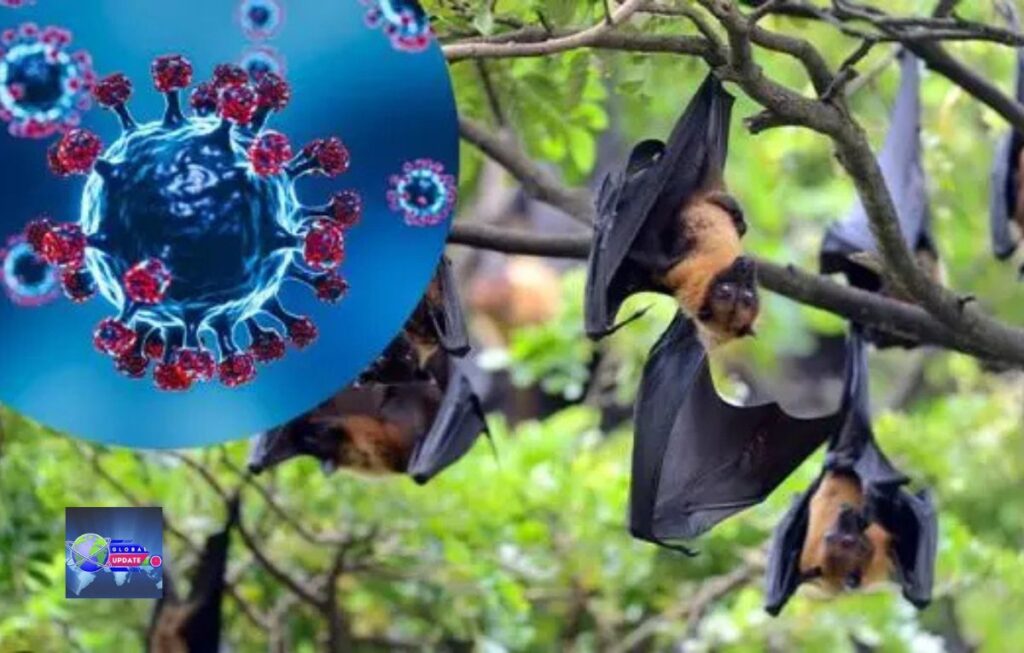
Nipah virus is a zoonotic virus—meaning it spreads typically from animals to humans—and was first identified in Malaysia and Singapore in 1998.
It belongs to the Paramyxoviridae family, genus Henipavirus, and can infect a range of animals, including fruit bats, pigs, horses, dogs, and cats.
The virus then spreads to humans through direct contact with infected animals or their bodily fluids, such as saliva, urine, and faeces.
Fruit bats of the genus Pteropus are considered the natural reservoirs (carriers) of the virus, often shedding Nipah in their secretions without becoming ill themselves.
In some outbreaks, people have contracted the virus by consuming contaminated food such as raw palm sap or fruit that has come into contact with infected bats.
Recent Cases and Spread in Asia
India’s West Bengal reported two confirmed cases of Nipah virus infection in January 2026. These cases mainly involved healthcare workers who likely contracted the disease while caring for an infected patient.
According to the Indian Health Ministry, nearly 200 close contacts tested negative for the virus, and authorities say they have contained the situation locally.
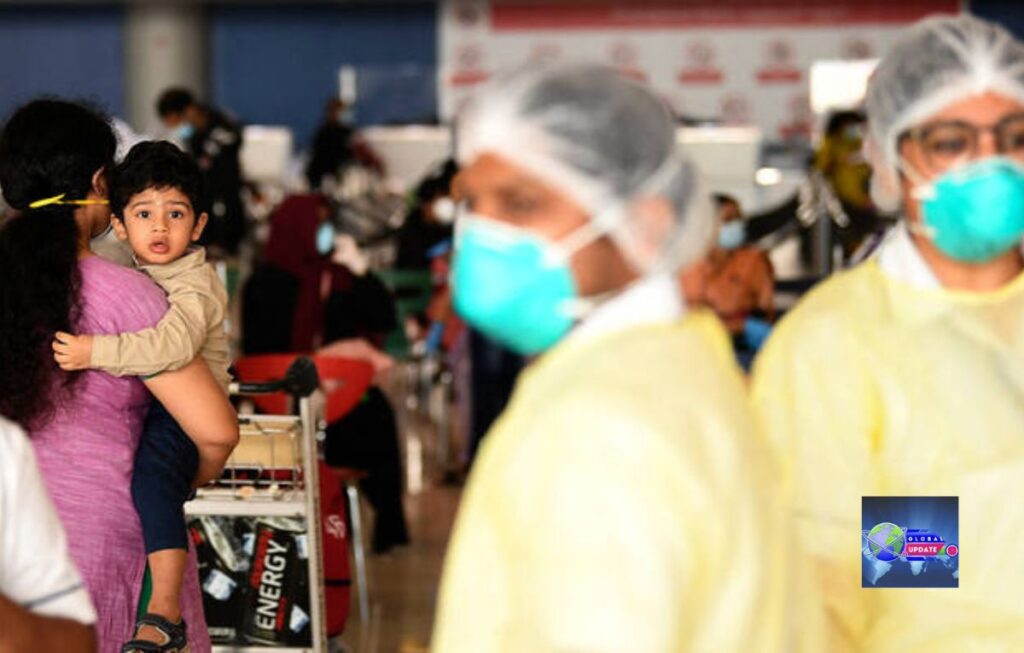
While no spread outside India has been confirmed, several countries in South and Southeast Asia—including Thailand, Malaysia, Singapore, Nepal, Hong Kong, China, and Taiwan—have tightened airport health screenings and surveillance to prevent the importation of the virus.
These measures include temperature checks, health questionnaires, and isolating anyone showing symptoms on arrival.
How Nipah Virus Spreads
Nipah virus can jump from animals to humans and, in some situations, from person to person:
- Animal-to-human transmission: Direct contact with infected bats, pigs, or their bodily fluids.
- Consumption: Eating food or drink contaminated by infected animal secretions.
- Human-to-human transmission: Close contact with infected individuals, especially caregivers or family members.
Respiratory droplets, saliva, or other body fluids can spread the virus, but human-to-human transmission is less efficient than that of different viruses.
This is why containment and early isolation are critical in outbreak response.
Symptoms of Nipah Virus Infection
Symptoms usually appear 4 to 14 days after exposure, though in rare cases, incubation can be more prolonged. Early signs resemble many common infections and include:
- High fever
- Severe headache
- Cough and sore throat
- Respiratory difficulty and breathing problems.
- The patient may experience symptoms such as nausea, vomiting, and abdominal pain.
As the disease progresses, more severe neurological symptoms can develop:
- Dizziness and confusion
- Seizures
- Encephalitis (brain inflammation).
- Severe cases can result in a coma within 24–48 hours.
Because early symptoms overlap with those of other illnesses, early clinical suspicion and testing are crucial for promptly identifying Nipah infections.
Fatality and Long-Term Risks
Nipah virus is considered highly fatal, with case-fatality rates ranging from 40% to 75% in documented outbreaks, depending on the quality of healthcare and outbreak response.
Severe cases often involve the central nervous system, leading to encephalitis and, in many instances, death.
Some survivors may recover fully, but others experience long-term neurological complications such as persistent seizures or personality changes.
Diagnosis and Detection
Confirming Nipah virus infection typically requires specific laboratory tests:
- RT-PCR (Reverse Transcription-Polymerase Chain Reaction): Detects viral genetic material in blood, throat, or nasal swabs.
- ELISA (Antibody testing): Identifies the immune response to the virus and is helpful in later stages or post-infection.
Healthcare professionals consider recent travel history, exposure to sick animals or humans, and presenting symptoms when deciding to test for Nipah.

Treatment and Prevention—What You Need to Know
There is no approved vaccine or specific antiviral treatment for Nipah virus infection at present. Management focuses on supportive care, which includes:
- Rest and hydration
- Controlling fever and pain
- Respiratory support if needed
- Monitoring and managing complications.
Researchers are actively studying potential treatments and vaccines, including immunotherapeutic drugs and antiviral compounds, but none have been approved for general use yet.
Prevention centres on avoiding exposure:
- Avoiding contact with fruit bats and other known carriers
- Avoid consuming raw date palm sap or fruits that may be contaminated.
- Practising good hand hygiene and infection control in healthcare settings
Why Nipah Virus Is Taken Seriously
Health experts classify the Nipah virus as a dangerous pathogen due to its high mortality and potential to spread in close-contact settings.
Although it does not spread as easily as influenza or COVID-19, the WHO has listed it as a priority pathogen due to its potential to cause outbreaks and the lack of licensed vaccines or treatments.
Historical outbreaks have occurred primarily in Malaysia, Singapore, Bangladesh, and India, often linked to bat reservoirs and human-to-human transmission in households or healthcare settings.
Final Takeaway—Stay Informed, Not Alarmed
While the recent confirmed Nipah cases in India have prompted renewed vigilance and airport health screenings across Asia, officials stress that the current outbreak is contained and limited in scope.
Nipah infection remains a serious public health concern due to its severe symptoms and high mortality. Still, the global risk of a widespread pandemic is considered low due to its limited transmissibility and ongoing containment efforts.
Preventive measures, early detection, and international coordination are key to containing the virus—especially in regions where fruit bat populations and human contact overlap. (woah.org)
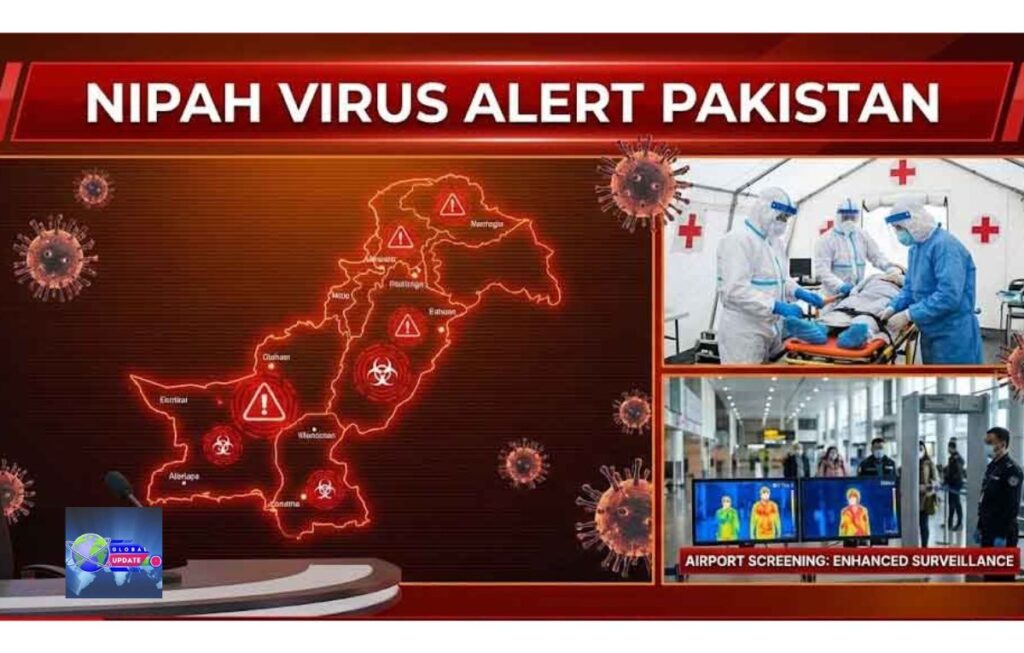
Nipah Virus Alert in Pakistan as Cases Reported in India
Pakistan has not yet recorded any confirmed Nipah virus infections, but authorities have issued high alerts and strict public health measures in response to recent cases in West Bengal, India.
This comes after two confirmed infections—including healthcare workers—were identified in nearby regions, prompting concern across South Asia and intensified screening efforts in Pakistan.
Officials from Pakistan’s National Institutes of Health (NIH) have emphasised that the overall risk of a Nipah outbreak within Pakistan remains low at this time. Still, preventive readiness being strengthened to ensure there is no cross-border spillover.
Enhanced Border and Entry Screening Measures
In response to the regional alert, the Government of Pakistan has ordered enhanced health screening at all international airports, seaports, and land border crossings. All incoming travellers must now:
- Undergo 100% thermal screening and clinical assessment
- Provide a complete 21-day travel history
- Be evaluated for possible symptoms like fever, headache, cough, or respiratory distress
These measures apply to passengers, transit travellers, airline crews, drivers, and support personnel, regardless of nationality, to reduce any risk of the Nipah virus entering Pakistan.
Pakistan’s Border Health Services–Pakistan (BHS-P) manages health clearances, and suspected cases will immediately isolated and handled in accordance with strict infection prevention and control protocols.
Regional Response and Alerts
Alongside Pakistan, several Asian nations, including Thailand, Singapore, Malaysia, Hong Kong, and Vietnam, have also tightened airport and border screening to monitor travellers arriving from or having passed through Nipah-affected areas in India.
These steps aim to intercept potential infections before they cross borders and to avoid triggering wider outbreaks similar to previous regional events.
The World Health Organisation (WHO) indicated that the risk of broader international spread beyond India remains low at present, and no travel or trade restrictions recommended.
Health Advisory and Hospital Preparations in Pakistan
In the province of Sindh, health authorities have issued a public advisory detailing the Nipah threat, symptom recognition, and protective measures.
Despite the absence of confirmed cases in Pakistan, health authorities have instructed both public and private hospitals to take the following actions:
- Stay on high alert
- Follow guidelines from the Federal Ministry of Health
- Report and isolate suspected infections promptly
Medical experts note that Nipah a deadly zoonotic virus (transmitted from animals to humans) that can cause severe respiratory illness and brain inflammation (encephalitis) in serious cases.
Citizens also advised to practice safe food handling, such as washing fruits and vegetables thoroughly and avoiding food left uncovered for long periods—especially in areas where fruit bats may roam.
About Nipah Virus—Why It’s a Concern
The Nipah virus (NiV) recognised for its high fatality rate, with historic outbreaks reporting mortality between 40% and 75%, making it one of the more dangerous zoonotic pathogens tracked by the WHO.
Transmission usually occurs through contact with infected animals—especially fruit bats—or their bodily secretions, and in some settings, through close human-to-human contact.
While the virus doesn’t spread as easily as respiratory viruses like influenza or COVID-19, its combination of severity and lack of an approved vaccine means health authorities are taking proactive measures to prevent spread.
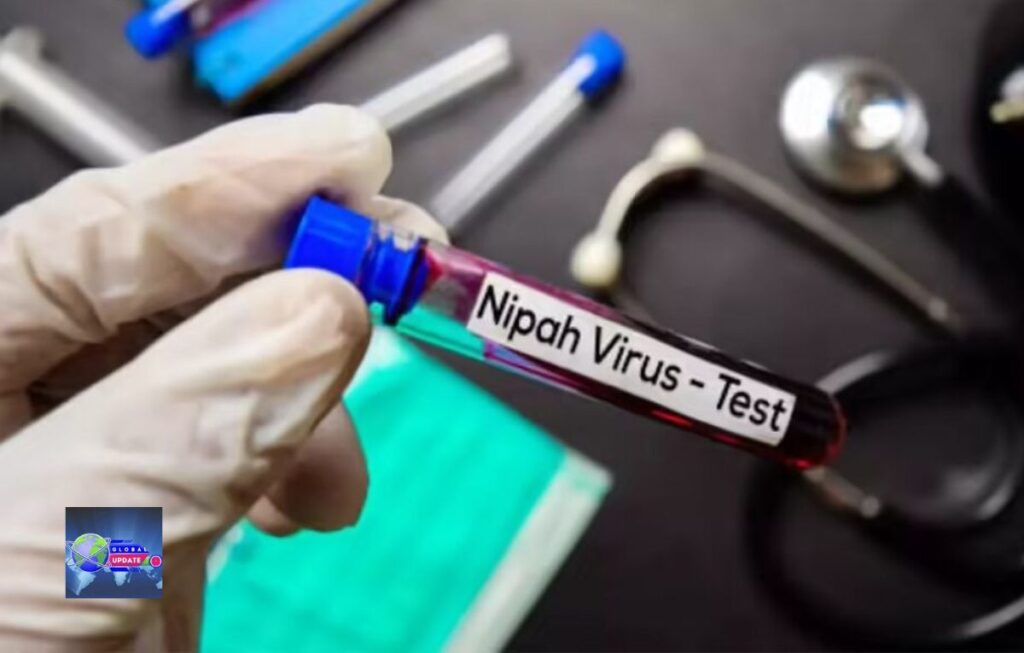
Why Pakistan Is Taking Action Now
Pakistan’s tougher surveillance and screening protocols stem from the proximity of West Bengal—where the confirmed cases emerged—to international transit routes used by travellers.
By checking travel histories and monitoring symptoms at borders, authorities aim to stop the virus at the frontier rather than deal with local transmission later.
The NIH has convened high-level meetings to review preparedness measures, laboratory readiness, and diagnostic capabilities.
Officials stress that while the current risk remains low, vigilance and early detection are critical for preventing outbreaks.
What Pakistanis Need to Know Now
- There are currently no confirmed cases of Nipah in Pakistan, but preventive alerts are in place.
- Enhanced health screenings at borders and points of entry aim to catch any possible imported infections.
- Citizens should practise good hygiene, especially by washing fruits, avoiding exposure to raw food, and reporting symptoms promptly.
- Health officials urge calm but preparedness, noting that surveillance and hospital readiness are priorities.
Keep on Reading:
!