




Rage bait is online content designed to provoke anger or outrage, encouraging people to engage more through comments, clicks, and shares.
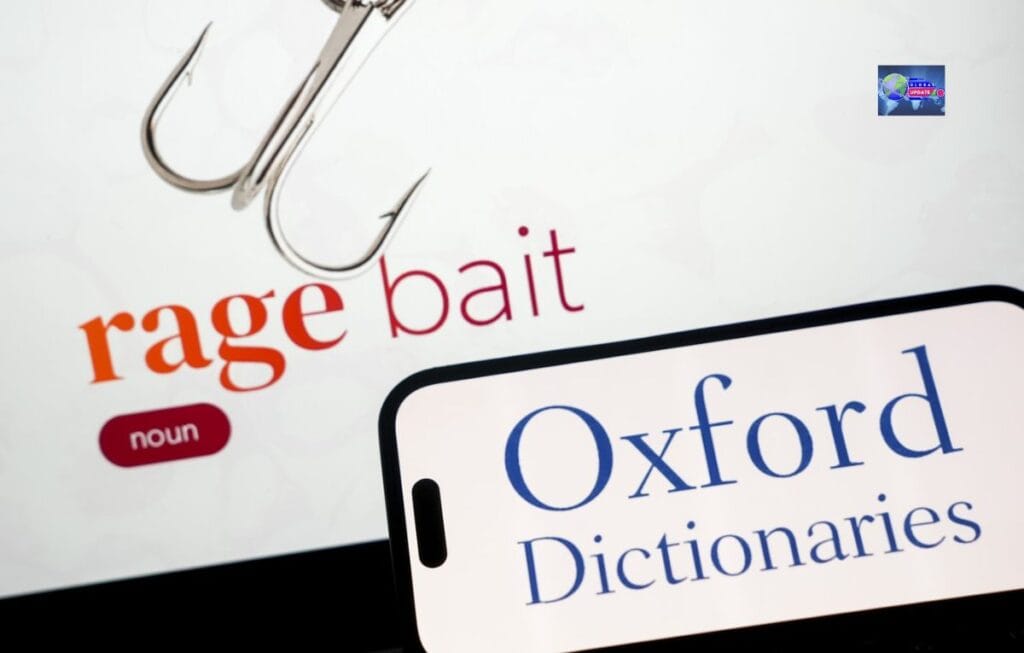
What is “Rage Bait”?
According to Oxford, “rage bait” refers to online content deliberately designed to elicit anger or outrage—posts, headlines, or media crafted to provoke frustration and intense emotional reactions to drive traffic, clicks, comments, or shares.
Think of it like clickbait—but instead of curiosity, rage bait uses anger and outrage as its lure. Provocative claims, misleading headlines, or polarising statements are standard tools.
Why 2025? Why Now?
In 2025, the use of the term “rage bait” more than tripled compared to previous years.
The publisher says this surge reflects a broader shift in internet culture: platforms and content creators are increasingly relying on emotionally manipulative content to grab attention—often at the cost of nuance, truth, or civility.
The decision to name rage bait as Word of the Year 2025 caps a cycle: last year’s Word of the Year was “brain rot”, which described the mental exhaustion from excessive consumption of trivial content.
The pair together signals a growing concern over digital overload and emotional manipulation.
What Does This Recognition Mean?
Validation of a widespread phenomenon: The recognition shows that rage-bait isn’t just internet slang—it has entered mainstream vocabulary as a social concern.
A call for awareness: By highlighting the term, Oxford and journalists are encouraging readers to question why a piece of content triggers strong reactions: is it sharing real information, or just baiting your anger?
Spotlight on online ethics: The selection highlights how algorithms and the social media economy reward outrage over reasoned discussion, urging society to reflect on digital well-being and media consumption habits.

Rage Bait vs Similar Terms—What Makes It Different
| Term | Purpose/Tactic | Emotional Effect | Example |
| Rage Bait | Provocation & outrage for engagement | Anger, outrage, polarisation | A headline exaggerating a divisive topic to provoke debates/comments. |
| Clickbait | Curiosity or shock to gain clicks | Surprise, intrigue, sometimes confusion | “You won’t believe what happened next…” headlines. |
| Aura Farming (2025 shortlist) | Cultivating a charismatic persona/image | Envy, admiration, aspiration | Carefully crafted social media posts to show an enviable lifestyle. |
| Biohack (2025 shortlist) | Self-optimisation through lifestyle/technology | Hope, ambition, and a self-improvement mindset | Articles claiming “easy hacks to live longer/fitter”. |
Why Rage Bait Became So Prominent in 2025
Digital overload & information fatigue—with massive volumes of content, creators push extremes (anger, outrage) to stand out.
Algorithms favour engagement over accuracy—posts that evoke strong emotion (especially outrage) get prioritised by platforms.
Global tensions & polarisation—in a world dealing with political, social, and economic stress, people are more reactive; rage-bait feeds that reactivity.
Fast-moving news cycles & shallow attention spans — Quick outrage is often more effective (and profitable) than thoughtful analysis.
Keep on Reading:

The Downside: Why Rage Bait is Concerning
Promotes divisiveness and conflict—instead of dialogue, rage-bait stokes anger, creates echo chambers, and fosters hostility.
Erodes trust and critical thinking—repeated exposure to provocative content can make people sceptical of legitimate news or foster cynicism.
Mental health impact—constant outrage and emotional stimulation can lead to stress, anxiety, and digital fatigue. Some experts draw parallels to last year’s “brain rot”.
Undermines constructive discourse—when virality rewards outrage, nuanced voices and thoughtful debate lose visibility.
What You Can Do: As a User, Creator, or Reader
Pause before reacting: ask, “Is this content informative or just provocative?”
Check sources and facts, not just emotional triggers: don’t let anger drive clicks or shares.
Diversify your information sources: don’t rely solely on trending posts—read multiple perspectives.
Promote empathetic conversations: instead of sharing rage-bait, encourage dialogue, fact-based discussion, or calm analysis.
Support digital literacy: educators, parents, and institutions should teach critical consumption of online content—especially with youth.
WBroaderContext—Rage Bait in 2025 & Beyond
The term’s rise mirrors global concerns about digital well-being, misinformation, polarisation, and mental health.
As social media evolves and new platforms emerge, tactics like rage bait may adapt or intensify—making awareness and media literacy crucial.
Linguistically, rage bait joins a lineage of “words of the year” that reflect social mood and concerns—from “post-truth” to “brain rot”—showing how language evolves with digital culture.

More Key Insights About Rage Bait—Oxford Word of the Year 2025
1. Why Rage Bait Has Become the Internet’s Favourite Engagement Tool
Social media platforms like TikTok, YouTube, X, and Facebook reward content that triggers strong emotional reactions.
Anger is the fastest emotion to spread, so rage bait:
Attracts more comments
gets more shares
boosts watch-time
keeps users scrolling
Content creators and even news outlets intentionally craft posts that provoke outrage because algorithms promote emotionally charged content.
2. Common Forms of Rage Bait People Should Recognise
In 2025, rage bait often appears in these forms:
✔ Misleading or exaggerated headlines
Headlines designed to spark anger rather than inform.
✔ Out-of-context video clips
Creators show only the most provocative seconds of a longer video.
✔ Fake “expert” opinions
Unverified influencers are making inflammatory claims for attention.
✔ Highly polarising questions
Statements designed to split audiences into opposing sides and start comment wars.
3. The Psychological Impact: Rage Bait Is Fueling Digital Fatigue
Experts warn that constant exposure to outrage-based content is causing:
increased stress
anxiety and emotional exhaustion
reduced attention span
desensitisation to real issues
“Rage bait” connects directly with recent trends like “brain rot”, showing how online outrage is damaging mental well-being.

4. How Rage Bait Is Damaging Modern Journalism
Rage bait has become a serious threat to credible journalism:
Trust is declining because sensational stories go viral more than factual ones.
Nuance disappears in the quest for attention.
Echo chambers grow, as people only engage with content that fits their anger.
Important news gets buried under viral outrage.
5. Rage Bait in Politics: A Growing Strategy
Political campaigns now rely on rage bait to:
attack opponents
Provoke emotional reactions
Dominate trending topics
rally supporters using fear or anger
During election seasons, rage-bait content spikes dramatically.
6. How TikTok Supercharged Rage Bait
Short-form platforms like TikTok are ideal for rage bait because:
15–30 second clips can be easily edited.
Context is often removed.
Users react instantly without thinking.
This makes outrage spread faster than ever before.
7. AI-Generated Rage Bait: The New 2025 Problem
Oxford experts highlight that AI tools now make it easier to create:
fake arguments
misleading script
inflammatory comments
staged outrage reactions
This blurs the line between real controversy and artificial drama.
8. How Users Can Protect Themselves from Rage Bait
People can reduce digital stress by:
✔ Questioning the intent behind posts
“Why is this trying to make me angry?”
✔ Reading beyond the headline
Most people share content without checking the facts.
✔ Following reliable, calm sources
Creators who provide balanced information—not drama.
9. Influencers Are Using Rage Bait for Profit
Many influencers deliberately create weekly controversies because:
anger = engagement
engagement = more visibility
visibility = income
This financial incentive keeps fuelling toxic digital environments.
10. Why Linguists Chose “Rage Bait” as the Word of the Year
Oxford linguists explained:
“Rage bait captures the emotional manipulation at the core of today’s digital communication.”
It reflects:
Rising online outrage
divisive content
mentally draining algorithms
society’s growing emotional vulnerability
This makes it the most relevant word of 2025.

Final Take: Rage-Bait Is Not Just a Word or Buzzword; It’s a Mirror
By naming ‘rage bait’ as Word of the Year 2025, Oxford University Press and global media are signalling that how we consume content—and how that content is designed—matters more than ever.
It’s not just about clicks or click-through rates—it’s about emotions, mental health, social fabric, and the future of digital discourse.
If recent years taught us anything, it’s that outrage spreads fast. Recognising rage bait helps us pause, reflect, and choose what kind of internet culture we want to encourage.
Rage bait is more than an internet trend—it’s a sign of how digital platforms are shaping human emotions.
Understanding it helps users stay mentally healthy and avoid falling into online outrage traps.