

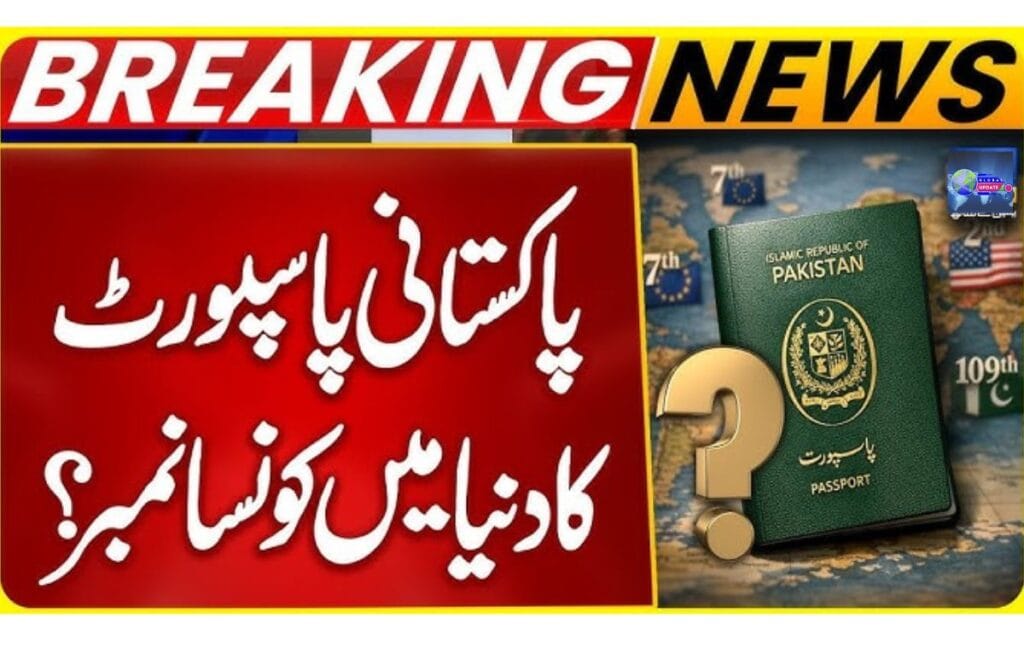

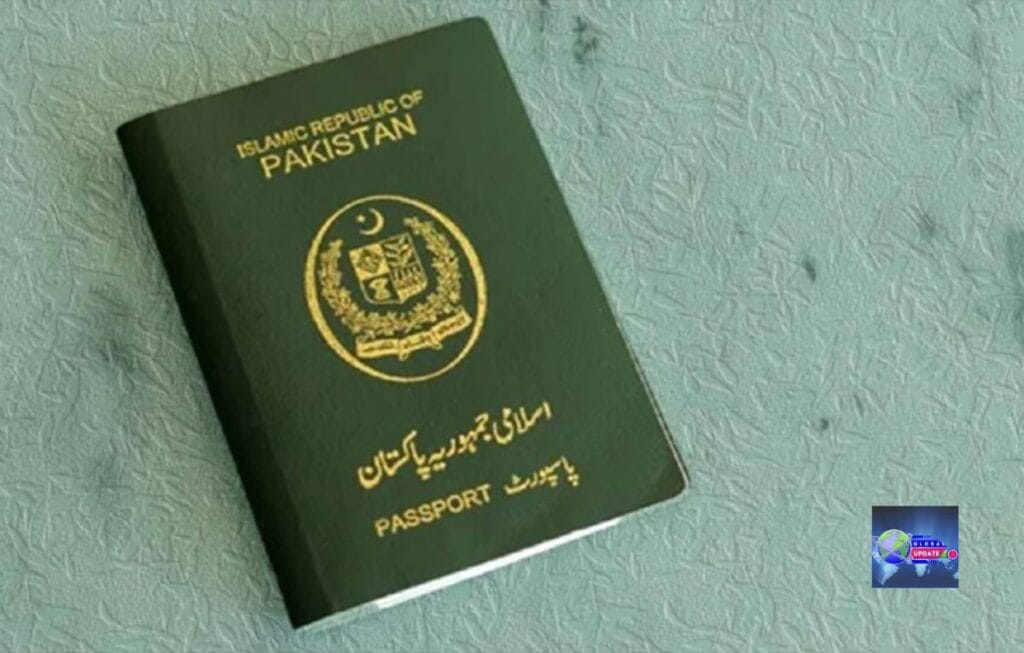
The Pakistani passport ranking has improved in the Henley Passport Index 2026.
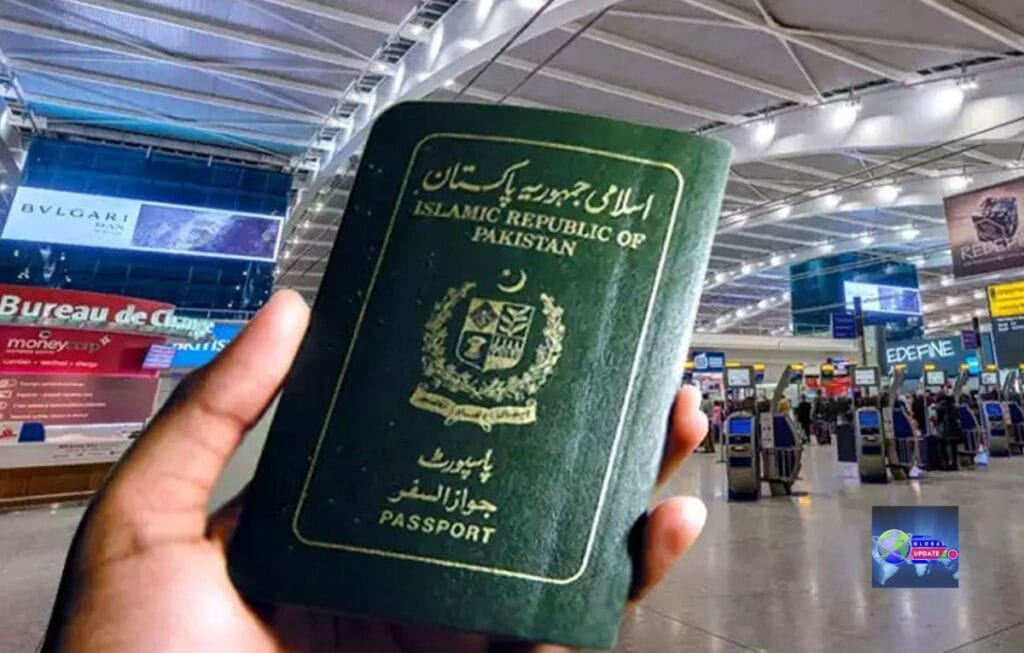
Pakistan’s passport has registered a notable improvement in the Henley Passport Index 2026, marking a welcome development for Pakistani citizens in terms of global mobility and ease of travel.
According to the latest figures released in mid-January 2026, Pakistan’s passport has climbed to the 98th position globally, up from its previous standing of 103rd in 2025—a jump of five places in the global ranking.
This change reflects a modest but significant shift in how the Pakistani travel document is perceived internationally.
This change is particularly noteworthy in a context where global mobility and access have come to symbolize not only convenience but also economic and diplomatic influence.
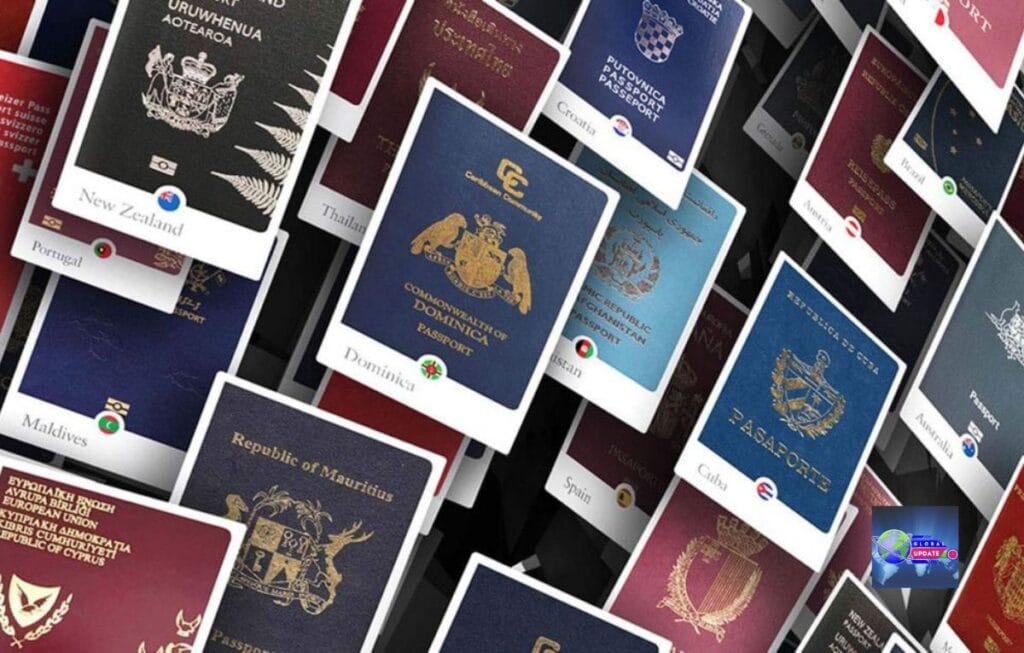
The Henley Passport Index is widely regarded as an authoritative measure of passport strength.
The Henley Passport Index tracks the number of destinations that passport holders can access without a prior visa.
This includes visa-free access, visa-on-arrival, and electronic travel authorization (eTA) arrangements.
What the Henley Passport Index Measures
The Henley Passport Index is published annually by Henley & Partners, a global citizenship and residence advisory firm, in partnership with data from the International Air Transport Association (IATA).
The index provides a comprehensive ranking of 199 passports based on their “visa-free score,” which is calculated by counting the number of destinations a passport allows its holder to enter without a prior visa.
The methodology is straightforward: a passport is considered more powerful if it can access more destinations without a prior visa requirement.
This ranking is widely used by governments, businesses, and travellers as a benchmark for international mobility.
Strong passports often lead to extensive diplomatic ties, trade relations, and negotiated visa agreements that facilitate travel for their citizens.
Pakistan’s Improved Ranking—What Changed?
In the Henley Passport Index 2026:
- Pakistan now ranks 98th globally, tied with Yemen.
- In 2025, Pakistan was ranked 103rd, making this year’s rise a move of five places upward.
- Pakistan is now ranked above countries like Iraq (99), Syria (100), and Afghanistan (101).
This improvement may seem small in absolute terms, but in the context of the Henley Passport Index—where many countries’ rankings remain static or change by only a few positions—moving up five places is considered a meaningful achievement, especially for a passport that has historically been among the weakest globally.
According to the index, Pakistani passport holders now enjoy visa-free or visa-on-arrival access to 31 destinations across Asia, Africa, the Caribbean, and Oceania.
Visa-Free and Visa-on-Arrival Destinations
The Pakistani passport allows entry without a prior visa—either through visa-free access, visa-on-arrival, or electronic travel authorization—to several countries around the world.
Compared to more powerful passports, the number of eligible destinations remains modest. It includes a mix of regional and tourist-friendly countries.
Some of the destinations now accessible include:
Visa-Free Countries (No Prior Visa Required):
- Barbados
- Cook Islands
- Dominica
- Haiti
- Micronesia
- Montserrat
- Rwanda
- Saint Vincent and the Grenadines
- Trinidad and Tobago
- Vanuatu
(These destinations allow direct entry without applying for a visa beforehand.)
Visa-on-Arrival and eTA Destinations:
Pakistani travelers can obtain a visa on arrival (VOA) or an electronic travel authorization (ETA) for locations including the following:
- Burundi
- Cambodia
- Cape Verde
- Comoros
- Djibouti
- Guinea-Bissau
- Madagascar
- Maldives
- Mozambique
- Nepal
- Qatar
- Samoa
- Senegal
- Sierra Leone
- Timor-Leste
- Tuvalu
Additionally, ETA provides access to Kenya, Seychelles, and Sri Lanka. (Suno News)
While these destinations may not represent the most sought-after global hubs, the presence of diverse regions—including Africa, Oceania, and the Caribbean—does enhance the travel options for Pakistani citizens, especially for tourism, short-term business travel, and cultural exchange.
Why This Improvement Matters
For Pakistan, an improvement in the Henley Passport Index has both symbolic and practical implications:
1. Enhanced Global Mobility
Even small shifts in passport ranking reflect incremental gains in travel freedom.
While Pakistani passport holders still face considerable visa restrictions compared to holders of passports from Europe, North America, or East Asia, every additional visa-free or visa-on-arrival agreement provides more flexibility and convenience to travelers.
2. Diplomatic Progress
Passport strength is often considered a proxy for diplomatic relationships. As countries deepen bilateral relations and negotiate travel agreements, their citizens’ mobility improves.
The rise in Pakistan’s ranking suggests growing international engagement and cooperation with select countries.
3. Economic and Social Opportunities
Easier travel can support business growth, tourism, and cultural exchanges. For students, professionals, and entrepreneurs, increased access to international destinations without stringent visa requirements reduces cost and complexity, potentially fostering cross-border economic ties.
A Closer Look: Global Passport Powerhouses
While Pakistan’s ranking has improved, it remains far behind the world’s most powerful passports.
Singapore once again leads the Henley Index 2026, maintaining its top position with visa-free access to the most destinations worldwide.
Japan and South Korea follow closely, showcasing the mobility advantages held by citizens of these countries.
Other countries—including many in Europe and regions with strong diplomatic networks—dominate the top ranks, enabling their citizens to travel extensively with minimal visa formalities.
In contrast, passports ranking lower on the Henley Index, such as Pakistan’s, reflect greater travel restrictions and visa requirements, which can limit international engagement.
Reactions from Pakistani Leadership
Interior Minister Mohsin Naqvi welcomed the improvement, describing the jump in ranking as a “strong achievement” for Pakistan and expressing confidence that efforts to further enhance passport strength and global mobility would continue.
He highlighted that this progress reflects Pakistan’s sustained diplomatic efforts and engagement with international partners.
Minister Naqvi also pledged that Pakistan would build on this momentum. He suggested that if diplomatic and policy efforts remain strong, further improvements in travel access and bilateral agreements could be expected in the future.
Context: Historical Passport Rankings for Pakistan
To understand the significance of the 2026 ranking, it helps to look at Pakistan’s passport performance over recent years:
- 2021: Ranked 107th with access to 32 visa-free destinations.
- 2022: Dropped further to 109th.
- 2023 & 2024: Stayed around 100th.
- 2025: Ranked 103rd—considered one of the weakest passports globally.
This string of lower rankings highlights the challenges that Pakistani citizens have faced in terms of global mobility.
However, the move to 98th place in 2026 indicates a break in that trend, albeit incremental.
Critics and Alternate Views
Despite the celebratory tone surrounding the ranking improvement, some analysts point out that Pakistan’s passport has only moved up numerically.
The actual travel freedom hasn’t dramatically expanded in terms of new visa-free agreements.
Instead, the improvement is partly due to changes in other countries’ rankings and the way the index calculates relative positions.
This view suggests that Pakistan’s passport may essentially be stagnating rather than significantly improving, with limited real increases in mobility for its citizens.
Nonetheless, for many ordinary travellers and citizens, even a small improvement in ranking is seen as a positive step—especially given the historical challenges faced by Pakistani passport holders.
Conclusion: What the Future Holds
Pakistan’s climb to the 98th position in the Henley Passport Index 2026 marks a modest yet important milestone in the country’s global mobility journey.
While the passport remains among the lower-ranked globally, the improvement signals progress in diplomatic engagement and travel access.
For Pakistani citizens, this could mean greater opportunities for tourism, business, education, and cultural exchange—provided that efforts to negotiate further visa access agreements continue.
Pakistan is actively engaging with global partners and strengthening its diplomatic ties.
Future editions of the Henley Passport Index may reflect further gains, offering greater international access and portraying Pakistan in a more connected global framework.