



Petrol Price Hike in Pakistan 2026 – Latest Update
Pakistan is facing a major fuel price crisis in 2026 after the federal government announced a record increase of Rs 55 per litre in petrol and diesel prices.
With this hike, the new petrol price reached around Rs 321.17 per litre, while high-speed diesel rose to about Rs 335.86 per liter.
The price increase came into effect immediately and is considered one of the biggest petroleum price hikes in the country’s history.
Officials explained that the increase was unavoidable because global oil prices surged amid tensions and conflict in the Middle East, disrupting supply chains and pushing up crude oil prices.
The government stated that fuel prices may now be reviewed weekly, allowing authorities to adjust domestic rates quickly in response to international market fluctuations.
Why Petrol Prices Hiked in Pakistan
Several global and local factors contributed to the sudden increase in petrol prices in Pakistan in 2026.
Global Oil Market Crisis
One of the main reasons for the price hike is the rapid rise in global oil prices driven by geopolitical tensions in the Middle East.
Conflicts involving regional powers have disrupted energy supply routes, especially those passing through the Strait of Hormuz, one of the world’s most important oil transport routes.
As oil shipments slowed and global demand remained strong, crude oil prices climbed significantly, forcing oil-importing countries like Pakistan to pay higher import costs.
Pakistan’s Dependence on Imported Fuel
Pakistan imports a large percentage of its petroleum products. This means that any change in global oil prices quickly affects the domestic market.
When international prices rise, the government must increase local petrol prices to maintain economic balance and avoid heavy subsidies.
IMF and Economic Pressure
Another factor is economic policy and financial negotiations. International lenders such as the IMF have urged Pakistan to pass higher fuel costs directly to consumers rather than subsidising petroleum products.
Because of this pressure, the government often adjusts fuel prices according to global rates.
Fuel Crisis Concerns and Supply Challenges
The petrol price hike is also linked to fears of a possible fuel shortage in Pakistan.
Reports indicate that Pakistan may have limited fuel reserves, which could last only a few weeks if supply disruptions continue.
Authorities are monitoring the situation closely and planning emergency measures to avoid a major energy crisis.
To prevent panic buying, the government has warned citizens against hoarding fuel and assured that adequate reserves are currently available.
Government Energy Conservation Plan
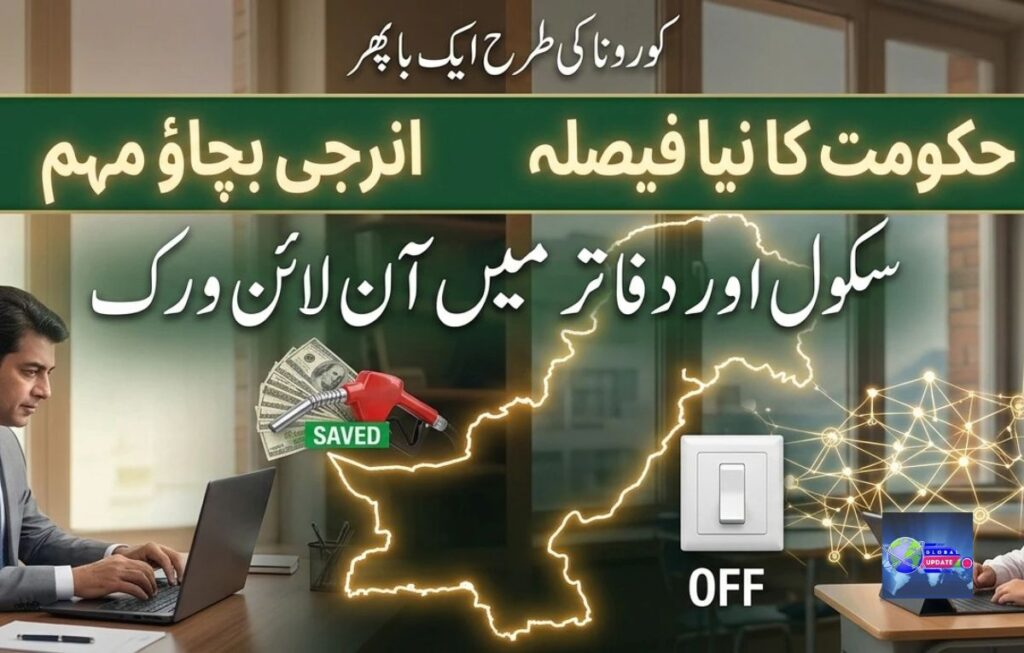
Because of rising fuel costs and potential supply disruptions, the Pakistani government has started discussing a national energy conservation plan.
The plan includes several measures to reduce petroleum consumption nationwide.
Some of the proposed measures include:
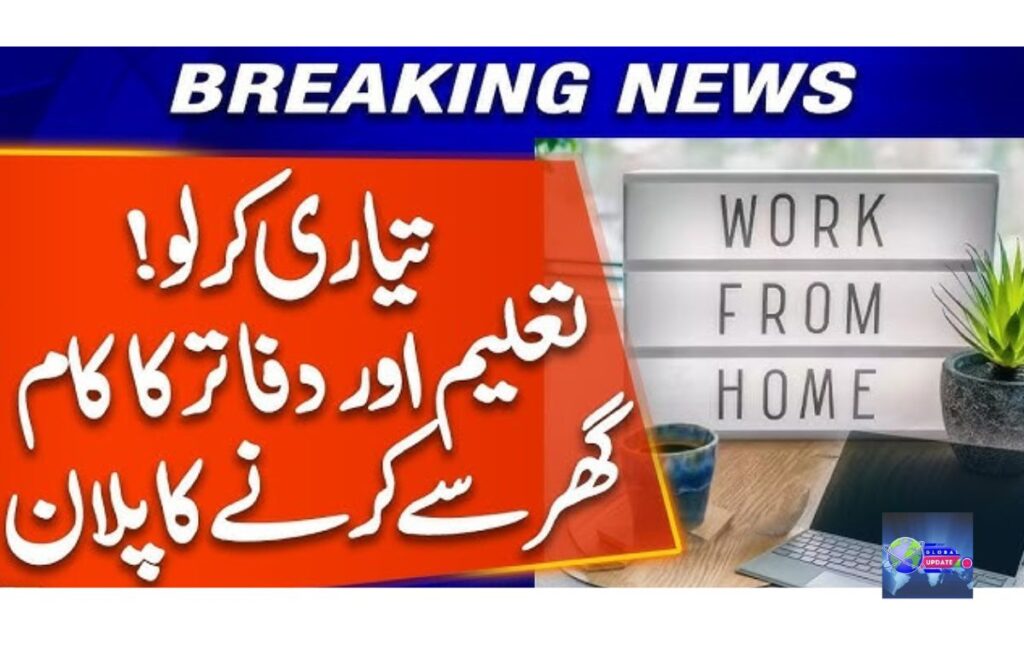
- Work-from-home policies for offices
- Online classes for schools and universities
- Carpooling and reduced travel
- Shorter office hours
- Early market closures
- Possible four-day workweek
These measures are aimed at reducing transportation and fuel consumption nationwide.
Online Schools in Pakistan 2026
One of the major proposals being discussed is the shift to online classes for educational institutions.
Officials have suggested that schools, colleges, and universities could temporarily switch to online learning to reduce fuel consumption and electricity use on campuses.
During the COVID-19 pandemic, Pakistan successfully implemented remote learning systems. The government is now considering similar strategies again if the fuel crisis worsens.
Why Online Education Helps Save Fuel
Online learning reduces fuel consumption in several ways:
- Students do not need to travel to schools
- School buses and transport services consume less fuel
- Traffic congestion decreases
- Energy use in school buildings is reduced
By implementing online classes, authorities hope to significantly reduce national fuel consumption.
Work-From-Home Policy for Offices
Another important step under consideration is remote work for government and private-sector employees.
Authorities have suggested introducing work-from-home policies similar to those used during the COVID-19 lockdowns.
This strategy aims to reduce commuting and traffic in major cities.
Benefits of Work-From-Home During Fuel Crisis
Working from home offers several advantages during an energy shortage:
- Reduced fuel consumption
Fewer employees travelling daily means less petrol usage. - Lower traffic congestion
Major cities like Karachi, Lahore, and Islamabad experience heavy traffic, consuming large amounts of fuel. - Lower business costs
Companies can reduce electricity and transportation expenses. - Environmental benefits
Reduced fuel usage can also lower air pollution.
Possible Four-Day Work Week
Another proposal under discussion is introducing a four-day workweek to reduce fuel consumption and energy use.
Under this system:
- Offices would remain closed one additional day per week
- Employees would work slightly longer hours on working days
- Transportation demand would decrease
This policy could significantly reduce the national fuel demand if implemented nationwide.
Impact of Petrol Price Increase on Pakistan’s Economy
The petrol price increase in Pakistan in 2026 is expected to affect many sectors of the economy.
Inflation and Cost of Living
Fuel prices directly affect transportation costs, which in turn increase the prices of everyday goods such as the following:
- Food
- Vegetables
- Transport fares
- Delivery services
As transportation costs rise, businesses pass these costs on to consumers.
Transportation Sector
Public transport operators often increase fares when petrol prices rise. This affects:
- Bus fares
- Ride-hailing services
- Intercity transport
- Delivery services
As a result, daily commuting becomes more expensive for millions of people.
Industry and Manufacturing
Industries that rely on transportation or diesel-powered machinery also face increased production costs.
Factories, logistics companies, and agricultural businesses may experience higher operating expenses due to higher fuel costs.
Public Reaction to Petrol Price Increase
The petrol price hike has sparked significant public reaction across Pakistan.
Many citizens expressed concern over:
- Rising cost of living
- Transportation expenses
- Economic uncertainty
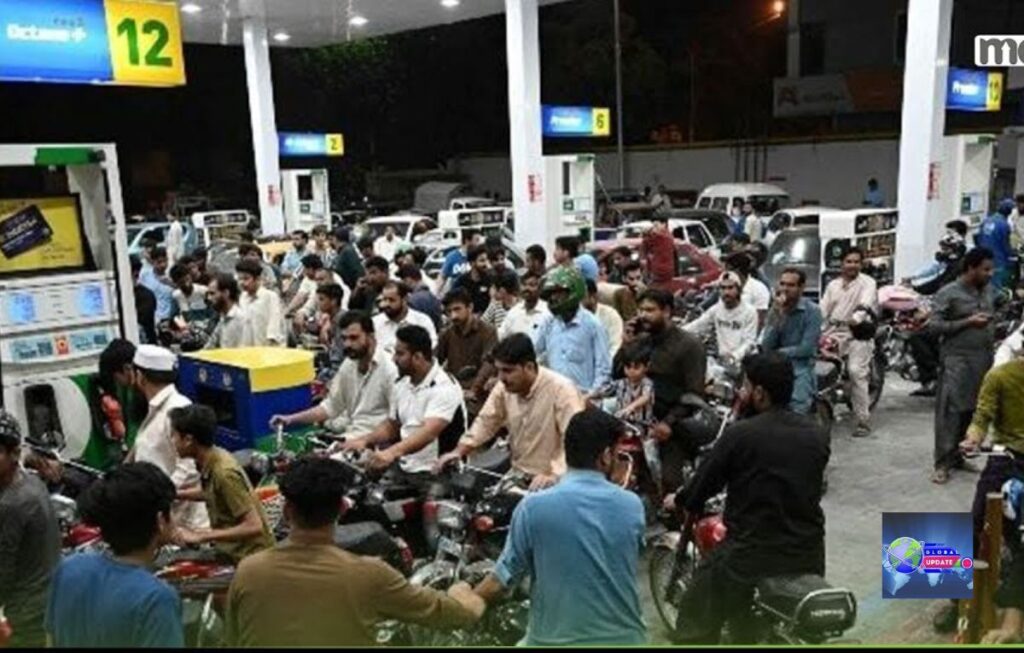
In several cities, people rushed to petrol stations before the new prices took effect, causing long queues and heavy demand for fuel.
Government Response and Future Strategy
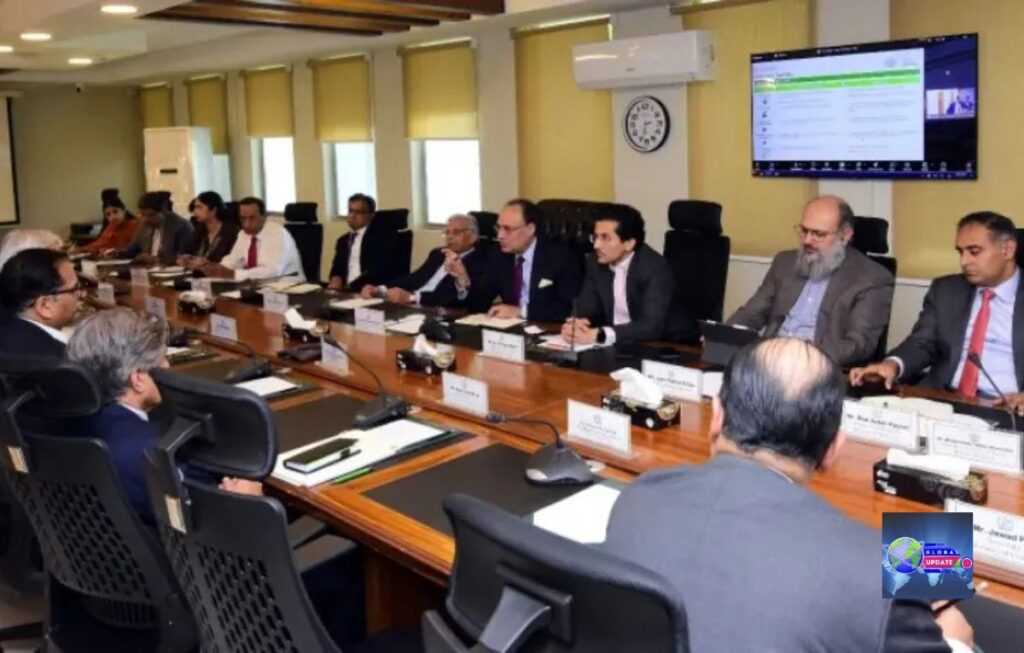
The government has stated that it is actively monitoring global oil markets and will take necessary steps to stabilise the situation.
Officials say the government may introduce the following:
- Weekly fuel price adjustments
- Fuel conservation policies
- Improved supply chain management
- Energy efficiency programs
Authorities also hope that international tensions will ease, which could eventually reduce global oil prices.
Pakistan’s Long-Term Energy Challenges
The petrol price crisis highlights Pakistan’s long-term energy challenges.
Experts believe the country must focus on:
- Renewable energy
- Electric transportation
- Domestic energy production
- Improved public transportation systems
Reducing dependence on imported fuel could help Pakistan avoid similar crises in the future.
Conclusion
The petrol price increase in Pakistan in 2026 represents a major economic challenge for the country. With petrol prices exceeding Rs 321 per litre, the government is taking urgent steps to manage fuel consumption and prevent a national energy crisis. (Pakistan Today)
Proposed measures such as online classes, work-from-home policies, shorter office hours, and energy conservation plans highlight the seriousness of the situation.
While these steps may temporarily reduce fuel consumption, Pakistan will need long-term energy solutions to protect its economy from global oil market shocks.
For now, citizens and businesses alike must adapt to higher fuel prices while the government works to stabilise the country’s energy supply and economic conditions.