



The Pakistan Super League (PSL), the country’s leading Twenty20 cricket franchise, is about to undergo its most significant change ever: two new teams will join the league before the 2026 season (PSL 11).
The league will go from six to eight teams with this expansion. This is a significant change for the tournament’s structure, commercial appeal, fan involvement, and competitive landscape.

What is going on with the PSL expansion?
The Pakistan Cricket Board (PCB) has said that the PSL would grow to eight clubs. This is the first big change since the Multan Sultans joined in 2018.
The announcement fits with the league’s long-term plan to get more businesses interested, reach areas that don’t get enough coverage, and improve the T20 brand in Pakistan.
Two new franchise teams will be added to the PSL 11 (scheduled for March 26 to May 3, 2026). An auction for these teams will take place on January 6 and 8, 2026.
Why are two new teams being added? This decision reflects the PSL’s plan for growth.
The PSL’s plan for growth takes into account several important trends:
1. More fans and a wider audience
The PSL can reach more fans in Pakistan and around the world by adding more teams. This is important for the league’s long-term success in the busy global T20 calendar.
2. more competitive Cricket
There are eight teams; thus, each game is more competitive. In the past, PSL playoffs have been very unpredictable, showing that even experienced teams have trouble staying consistent.
More teams provide for better games and more franchises that can create their own personalities and rivalries.
3. Growth in business and media
More franchises mean higher franchise values, more sponsorships, more merchandise sales, more TV rights, and more worldwide exposure. All of these things are important for the PCB and franchise owners to make more money.
4. Interest from investors throughout the world
The fact that investors from the US, Australia, Canada, the UAE, and Pakistan submitted bids for the franchise process indicates how popular PSL has become as a T20 brand.
The PSL auction and bidding process.
On January 6 and 8, 2026, there will be an auction for the two new PSL teams. Only qualifying buyers will be able to participate for ownership rights. People who want to own the business will choose from a list of six cities.
The auction is a big deal for business and investment organisations, as it will help determine who will run the newest teams in the PSL.
It is important to note that the bidding date was pushed back several times due to strong demand and a desire to involve as many global investors as possible.
Keep on Reading:
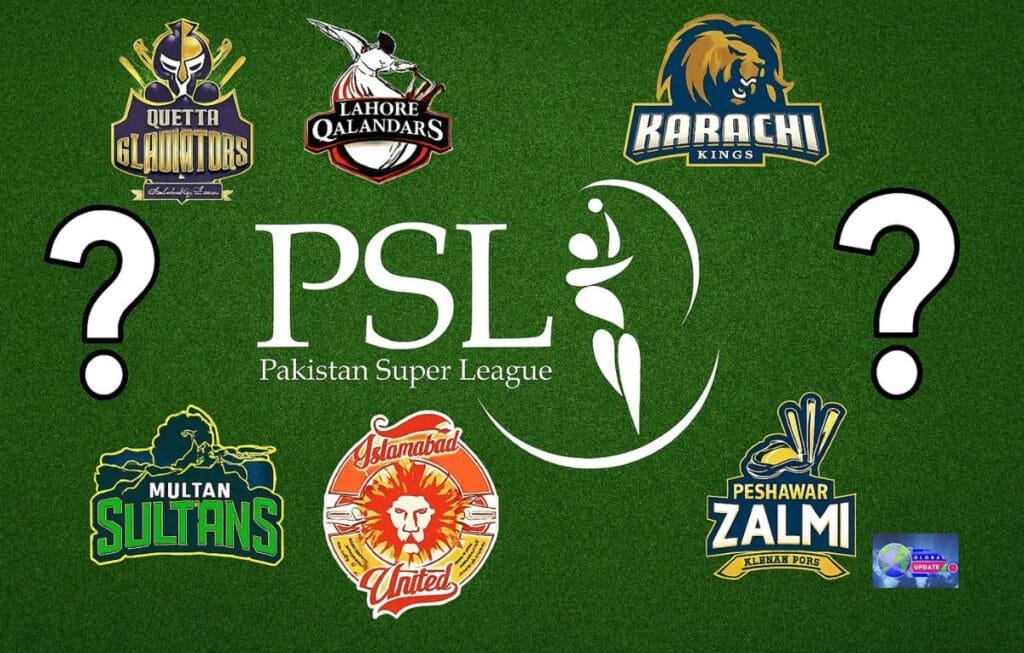
Cities in the Running—Where Will the New Teams Call Home?
- The PCB has come up with six possible cities where the new franchises can set up shop:
- Faisalabad is a big city in Punjab with many people and businesses.
- Rawalpindi, which is close to Islamabad and has a lot of cricket, has a strong fan base.
- Hyderabad is a large city in Sindh with many fans who love watching.
- Sialkot is a centre for sports equipment and has a strong sports culture.
- Muzaffarabad is the beautiful capital of the Azad Jammu and Kashmir territory.
- Gilgit, the gateway to northern Pakistan, is becoming increasingly interested in sports.
- During the franchise-acquisition process, winning bidders will be able to choose their city from this list.
Name, Identity, and Regional Representation.
Fans and pundits have started coming up with names for the final teams based on the cities that cut, but these names are not yet set in stone. Some common suggestions are
The Faisalabad Warriors, Stallions, and Shaheens
Sialkot Stallions (revival)
Vikings of Hyderabad
Markhors from Muzaffarabad and Thunder from Gilgit
These options are based on local cultural identities and past sports teams, but the franchise owners will pick the ultimate names after the auction.
Financial Model—Money and Rewards for New Teams.
The PCB has finished a financial model to get investors interested:
The two new teams are guaranteed to get up to 95% of the central income pool.
Each new franchise will receive a minimum guaranteed central pool income, meaning they will make substantial money over the next five PSL seasons.
Owners will split the revenue from broadcast rights, sponsorship, ticket sales, and merchandise.
This financial framework is meant to make sure that the new franchises can expand and stay stable in business.
Expanded Competition in the PSL 11 Tournament Structure.
Eight clubs will compete in the 11th edition of the PSL from March 26 to May 3, 2026. The expansion means more games (more league phase games).
More places to hold the event, possibly Faisalabad and other cities that are on the list
More fans may see and hear the show.
A lengthier, more interesting competition schedule that fits with other big T20 leagues.
This format is likely to overlap with the Indian Premier League (IPL) window, which could affect player availability but also create opportunities for more people around the world to watch.
Investment Outreach and Global Roadshows.
The PCB is actively promoting the PSL around the world through roadshows, which include significant events like
Roadshow in New York City, USA
Presentation for investors from Lord’s (UK)
These meetings are meant to show investors outside Pakistan how profitable the PSL can be and to help the brand grow beyond South Asia.
The growth has caused both fan reactions and controversy.
While many fans want more teams, cricket groups have talked about problems that come with this:
Positive Opinions.
- More chances for players in their own country.
- City representation brings cricket to people in the area.
- The fans are more excited and competitive than ever.
Criticisms.
- Some of the proposed cities lack adequate stadium infrastructure.
- Some others are worried that the league’s quality could suffer if it grows too quickly.
- It’s essential to improve the experience and logistics for fans on match day in non-traditional venues.
These conversations show that people care deeply, but they also put pressure on the PCB to make the league better as it grows.
- Growth in sponsorship and business impact.
- The growth is likely to lead to:
- More money from media rights
- More brand sponsorships
- Higher value of contracts for players
- More chances to sell and license products
This development in business will make the PSL a stronger competitor with the IPL, BBL (Big Bash League), and other big T20 competitions around the world.
PSL History and Legacy.
- The PSL has developed quickly since it started in 2016:
- There were five clubs in the PSL when it began in 2016.
- In 2018, the Multan Sultans joined, making the total six.
- There will be eight teams in 2026.
This change shows how the PSL is growing into a top T20 competition worldwide and a platform to showcase Pakistani cricket talent.
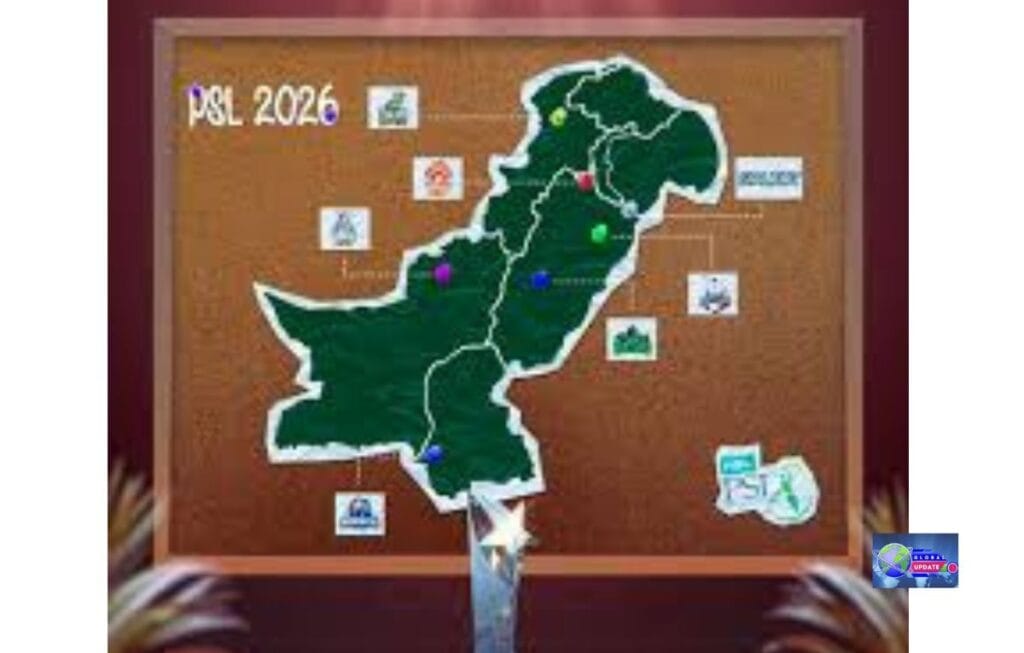
The Multan Sultans and Franchise Renewals
In November 2025, the PCB signed new contracts with various PSL teams (Islamabad United, Karachi Kings, Lahore Qalandars, Peshawar Zalmi, and Quetta Gladiators) based on updated financial evaluations.
The future of the Multan Sultans franchise was still up in the air, potentially leading to an auction or a change of ownership.
Expansion of the PSL in 2026.
The PSL 2026 expansion is a big deal for the Pakistan Super League, as the number of clubs will increase from six to eight.
This decision shows that the PCB wants to improve domestic cricket, attract more viewers, and compete with the world’s best T20 leagues.
The expansion is likely to lead to more games, more talented players, and a wider range of regions being represented.
Two New Teams in PSL.
Adding two additional PSL teams will bring in new fans and new rivalries. From PSL 11 onward, these teams will play, giving more local players a chance to showcase their skills. The new franchises would also help cricket grow in their areas.
Auction for PSL franchises.
The PSL franchise auction will select who owns the two new teams. The bidding process will involve investors from Pakistan and other countries, underscoring the league’s expanding commercial value.
The auction will decide the franchise fees, where the team will play, and who will own the team in the long run.
Eight teams in PSL.
The tournament structure will be more dynamic and competitive now that PSL has eight clubs—more teams mean a longer league stage, more games, and more fun for spectators.
This adjustment also brings PSL in line with other big T20 competitions around the world.
Shortlist of PSL Cities.
The PCB has compiled a list of PSL cities, including Faisalabad, Sialkot, Hyderabad, Gilgit, Muzaffarabad, and Rawalpindi. The winning bidders will select a city from this list.
The goal is to get more people interested in cricket in new areas and make PSL games easier for local fans to watch.
PSL Investors Around the World.
Interest from PSL’s worldwide investors has increased significantly since the expansion was announced. Companies from the US, UAE, UK, Australia, and Pakistan have shown strong interest.
This global attention shows that PSL’s brand value is growing in international cricket markets.
Getting PSL fans involved.
One of the main goals of the expansion is to involve more PSL fans. More teams and cities mean more local fans, packed stadiums, and stronger emotional bonds.
Along with the league, digital channels, social media marketing, and fan events are also projected to increase.
The schedule for the eight PSL teams.
The PSL eight-team calendar will feature a longer tournament window, with more league matches and possibly more places to play.
Fans may look forward to a lengthier season with great cricket and close games. The PCB is trying to find a balance between the calendar and international cricket duties.
PSL Business Growth.
The expansion will drive significant commercial growth for PSL, including increased revenue from television rights, sponsorship deals, and product sales.
More teams mean more chances for sponsors and advertisers to get their names out there. This expansion will help PSL financially stable in the long run.
Opportunities for PSL players.
Adding two more teams will significantly boost the number of players who can play in the PSL. More players from the UK will be able to play alongside international stars.
Young, up-and-coming players will do better with more exposure, experience, and career growth.
Faisalabad, Sialkot, Hyderabad, and Gilgit are the PSL venues.
New PSL destinations like Faisalabad, Sialkot, Hyderabad, and Gilgit might deliver top-level cricket to places that have been waiting a long time for such tournaments.
Hosting PSL games will help the local economies and get young cricketers excited. These cities will also get better infrastructure.
What Happens Next?
As the January 2026 auction date approaches, fans and observers are anxiously awaiting to see which investors will secure the new teams.
Which cities will the winning bidders pick?
What will the teams’ names, logos, and home fields be?
What will happen to player drafts and player movement when the league grows?
These questions will help the PSL tell its story before the 2026 season and decide how well this bigger league does on and off the field.
Conclusion—The PSL Starts a New Chapter.
Adding two additional teams to the Pakistan Super League is a big step forward for the league, as it will make it more popular, valuable, and accessible to fans.
The 11th edition of the PSL will be one of the most thrilling in its history, thanks to worldwide bidding, more stadiums, more revenue streams, and new cricket rivalries. (Pakistan Cricket Board)