


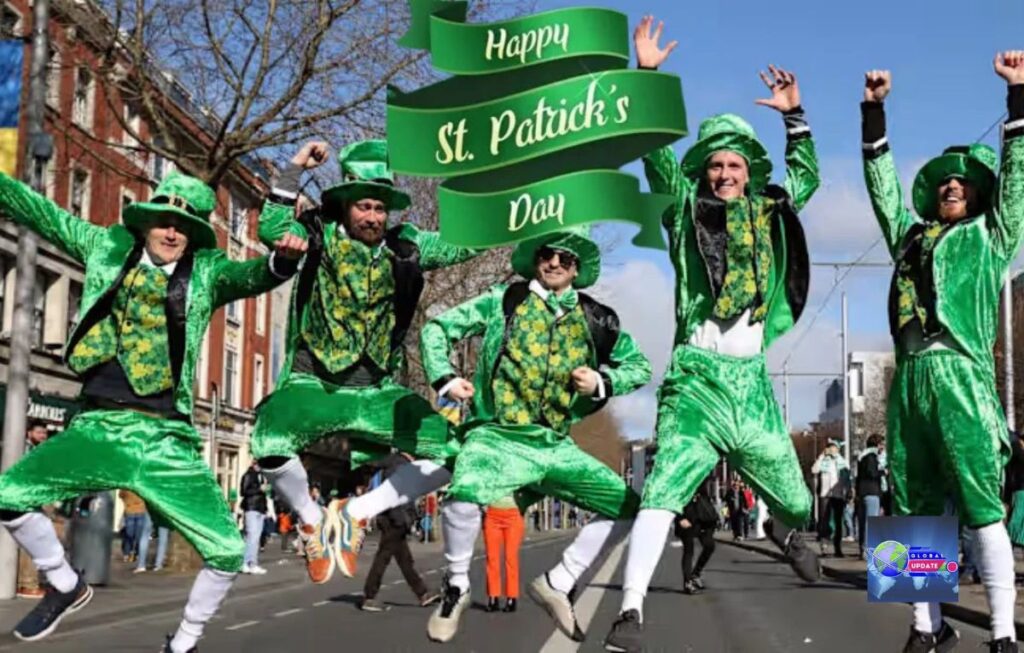

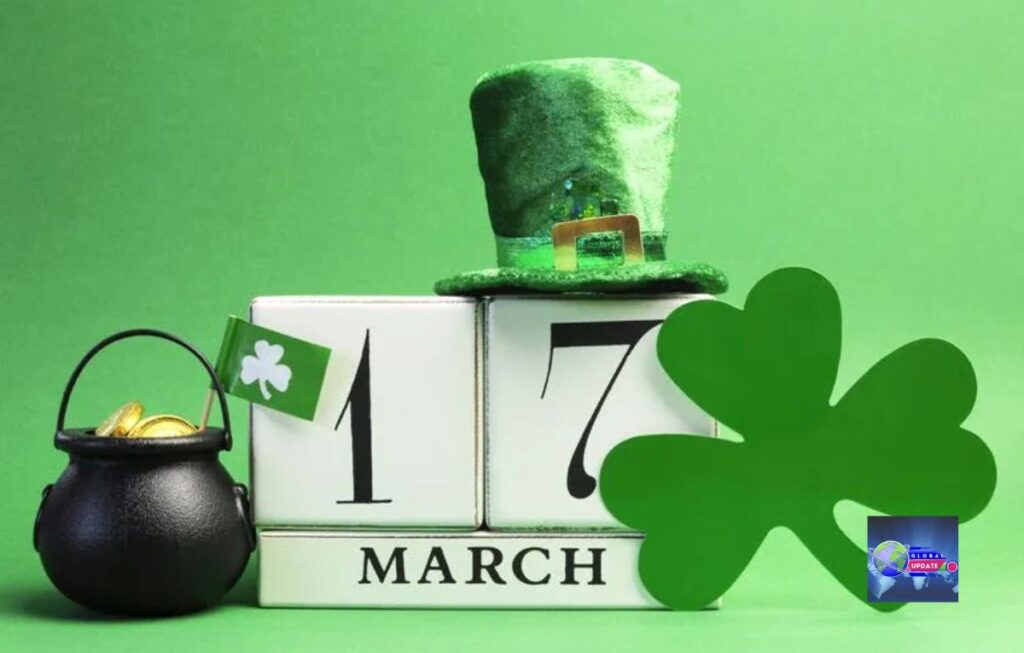
St. Patrick’s Day 2026 is set to be celebrated worldwide on March 17, 2026, honouring Irish heritage, culture, and the legacy of Saint Patrick, Ireland’s patron saint.
What began as a religious feast day has evolved into a global celebration featuring parades, music, green attire, and festive gatherings.
In 2026, the day continues to unite millions of people across the globe—from Dublin to New York—celebrating Irish pride with enthusiasm and joy.
History of St. Patrick’s Day
Who Was Saint Patrick?
Saint Patrick was a 5th-century Christian missionary credited with bringing Christianity to Ireland. Although not originally Irish, he became one of the most important figures in Irish history.
According to legend, Saint Patrick used the shamrock (a three-leaf clover) to explain the concept of the Holy Trinity—Father, Son, and Holy Spirit. This is why the shamrock has become a central symbol of the holiday.
He is also famously associated with the myth of driving snakes out of Ireland, though historians consider this symbolic rather than literal.
Evolution of the Holiday
Originally, St. Patrick’s Day was a religious feast day observed by the Catholic Church. Over time, especially with Irish migration to countries like the United States, the day transformed into a celebration of Irish identity and culture.
By the 20th and 21st centuries, it became a global festival, featuring parades, concerts, cultural events, and public festivities.
St. Patrick’s Day 2026 Celebrations Around the World
Celebrations in Ireland
In Ireland, particularly in cities like Dublin, St. Patrick’s Day is celebrated with large-scale parades, street performances, and cultural festivals.
The St. Patrick’s Festival in Dublin typically lasts several days and includes the following:
- Colorful parades
- Irish music and dance
- Fireworks and light shows
- Food markets and exhibitions
In 2026, thousands of tourists are expected to visit Ireland to experience authentic celebrations.
Celebrations in the United States
The United States hosts some of the biggest St. Patrick’s Day celebrations—cities like New York City and Chicago organise massive parades attended by millions.
One of the most famous traditions is dyeing the Chicago River green, a spectacle that attracts global attention every year.
The New York City Parade, one of the oldest and largest in the world, features the following:
- Marching bands
- Irish dancers
- Cultural organizations
Global Celebrations
St. Patrick’s Day is now celebrated in many countries, including the following:
- Canada
- Australia
- United Kingdom
- United Arab Emirates
Famous landmarks around the world, such as skyscrapers and monuments, are often lit in green as part of the “Global Greening Initiative.”
Traditions of St. Patrick’s Day
Wearing Green
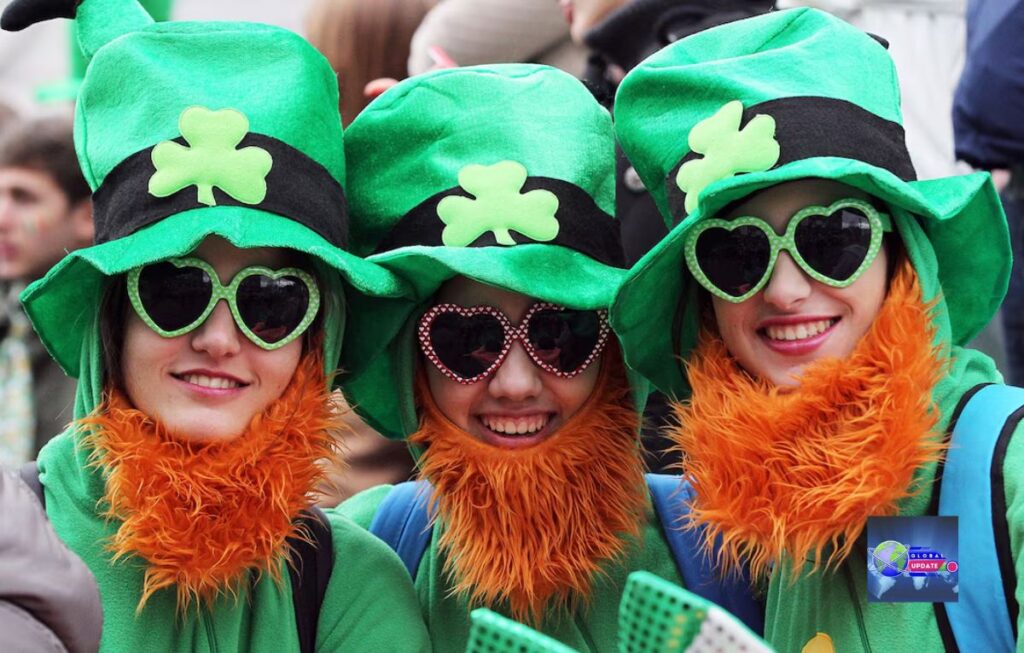
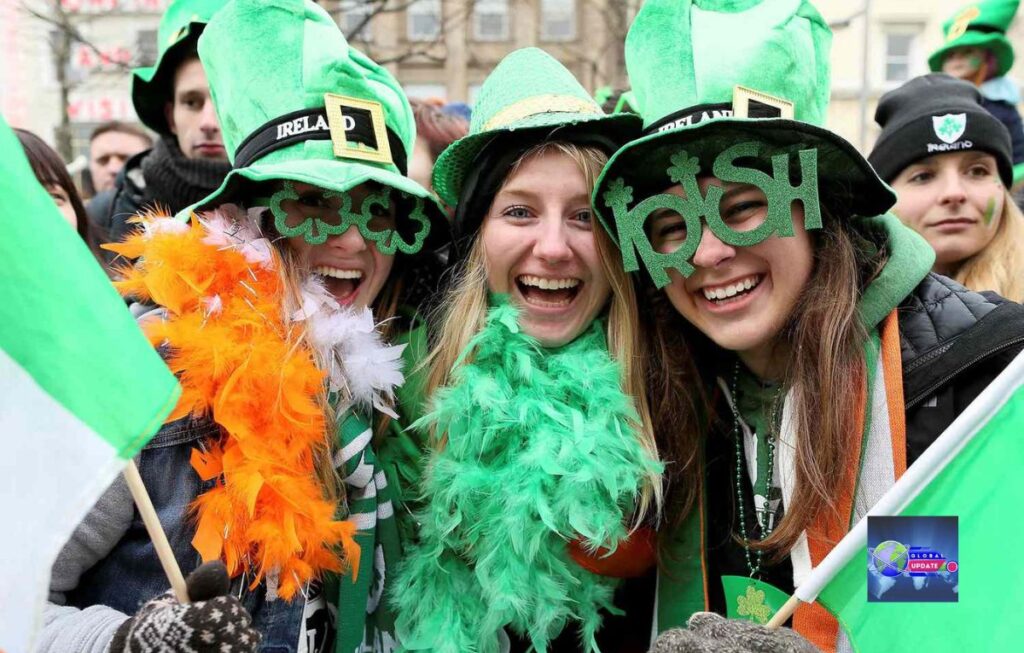
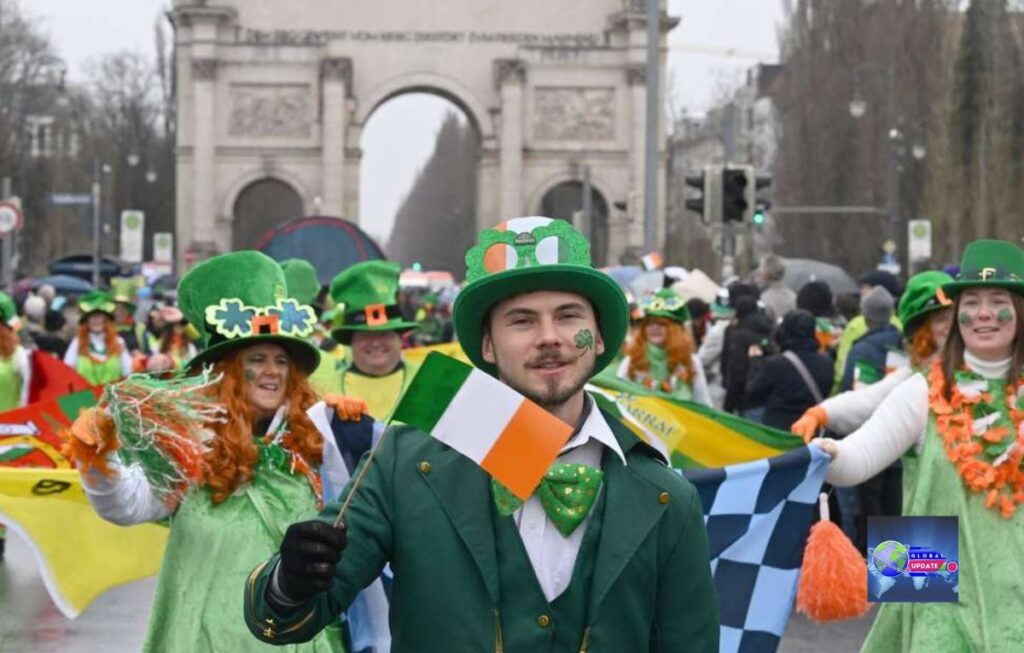
One of the most popular traditions is wearing green clothing. This colour represents Ireland’s lush landscape and is associated with Irish nationalism.
People often wear:
- Green shirts
- Hats
- Accessories like shamrocks
Failing to wear green sometimes results in playful “pinches,” especially in Western cultures.
Parades and Festivals
Parades are a central part of St. Patrick’s Day celebrations. These events include:
- Floats decorated in green
- Traditional Irish music
- Step dancing performances
In 2026, cities worldwide are expected to organise grand parades with even more cultural diversity and participation.
Irish Music and Dance
Traditional Irish music and dance play a major role in the festivities. Instruments like the fiddle, flute, and bagpipes create a lively atmosphere.
Irish dance performances, including Riverdance-style shows, are often featured during celebrations.
Food and Drinks
Traditional Irish foods are commonly enjoyed on this day, including:
- Corned beef and cabbage
- Irish stew
- Sodabread
Beverages also play a role, with many people enjoying Irish drinks like stout and other festive beverages.
Symbols of St. Patrick’s Day
Shamrock
The shamrock is the most iconic symbol of St. Patrick’s Day. It represents Irish culture and is closely linked to Saint Patrick’s teachings.
Leprechauns
Leprechauns are mythical creatures from Irish folklore often associated with the holiday. They are depicted as small, mischievous beings guarding pots of gold.
Green Color
Green symbolises Ireland, also known as the “Emerald Isle.” It represents nature, growth, and Irish identity.
St. Patrick’s Day 2026 Events & Trends
Modern Celebrations
In 2026, St. Patrick’s Day celebrations are expected to blend traditional and modern elements.
Key trends include:
- Social media campaigns and online celebrations
- Virtual parades and live streaming
- Eco-friendly events promoting sustainability
Tourism Boost
Ireland and other countries benefit significantly from tourism during this period. Hotels, restaurants, and local businesses experience increased activity due to international visitors.
Cultural Importance
St. Patrick’s Day is more than just a festival—it is a celebration of Irish heritage and identity.
For the Irish diaspora around the world, the day serves as a reminder of their roots and cultural traditions.
It also promotes:
- Cultural exchange
- Community bonding
- Appreciation of Irish history
St. Patrick’s Day in Schools and Communities
Many schools and communities oorganiseactivities such as the following:
- Cultural presentations
- Art and craft sessions (making shamrocks)
- Storytelling about Irish folklore
These activities help educate younger generations about Irish culture and traditions.
Digital and Social Media Impact
In 2026, social media platforms will play a major role in spreading the spirit of St. Patrick’s Day.
Popular trends include:
- Sharing green-themed photos
- Hashtags like #StPatricksDay2026
- Virtual celebrations and live streams
Brands and influencers also participate by creating themed content and promotions.
Safety and Responsible Celebrations
While St. Patrick’s Day is a festive occasion, authorities encourage responsible celebrations.
Key reminders include the following:
- Avoid excessive drinking
- Follow local safety guidelines
- Respect cultural traditions
Cities often increase security measures to ensure safe and enjoyable events for everyone.
The Future of St. Patrick’s Day
St. Patrick’s Day continues to grow as a global celebration. With increasing international participation, the festival is expected to become even more inclusive and diverse in the coming years.
Technology, sustainability, and cultural awareness will likely shape future celebrations, making them more accessible and environmentally friendly.
Conclusion
St. Patrick’s Day 2026 is more than just a holiday—it is a worldwide celebration of Irish culture, history, and unity. From the streets of Dublin to the bustling avenues of New York City, millions will come together to celebrate with joy, colour, and tradition.
Honouring the legacy of Saint Patrick, the day continues to inspire cultural pride and global connection. Whether through parades, music, food, or simply wearing green, St. Patrick’s Day remains one of the most vibrant and beloved celebrations in the world.