


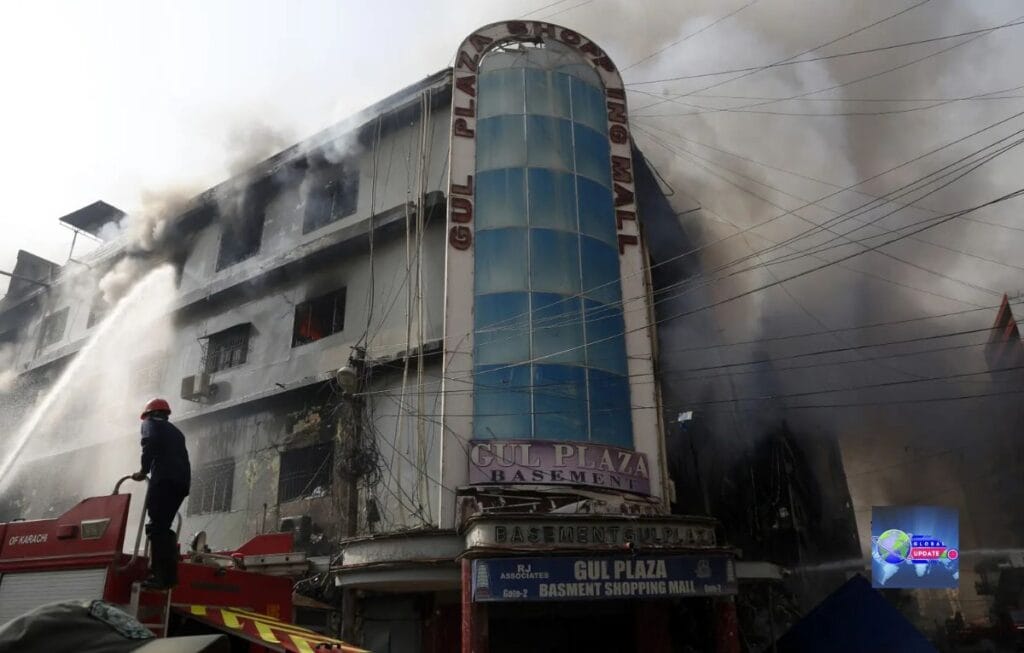

Tragedy at Gul Plaza unfolded after a massive fire ripped through the shopping complex, leaving multiple people dead, dozens injured, and widespread destruction across the building.
Gul Plaza Latest Update
The death toll from the tragic Gul Plaza fire in Karachi has risen to at least 71 confirmed fatalities, with many bodies still being identified through DNA testing as rescue and recovery work nears completion.
Authorities have registered a criminal FIR alleging negligence over the blaze and declared the badly damaged shopping mall structurally unsafe, with plans underway to demolish the site once search operations conclude.
Gul Plaza Update – Death Toll and Search Efforts
The death toll from the devastating Gul Plaza fire in Karachi has now risen to at least 71 confirmed deaths, as rescue teams continue recovering human remains from the rubble of the gutted shopping mall.
Authorities say only a portion of the wreckage remains to be searched, and DNA testing is being used to identify victims amid fears the total may climb further once all remains are processed.
The blaze, which began on January 17, took nearly two days to extinguish and caused severe structural damage, leaving large sections of the building unstable.
Rescue Operations Enter Final Stages & Structural Plans
Rescue operations are reported to be in their final stages, with teams working cautiously in areas previously inaccessible due to safety concerns.
A technical committee has recommended demolishing the fire-damaged Gul Plaza once search operations conclude, as the structure is considered dangerous and unfit for future use.
Meanwhile, families of the missing continue to await news, and authorities are expected to finalise identification and recovery before reconstruction or compensation plans move forward.
71 people have died in the Gul Plaza fire. Thirty bodies have been found in one shop.
Karachi— On Wednesday, officials said that the terrible fire at a shopping centre in Karachi, Pakistan’s financial capital, killed 61 people, including 30 bodies found in a single shop on the second floor.
Deputy Inspector General for Karachi South, Asad Raza, reported the discovery of 30 bodies on the third floor of a store named “Dubai Crockery.” This brings the total number of deaths to 61.
Tragedy at Gul Plaza
Major Blaze Breaks Out at Gul Plaza, Karachi
A devastating fire erupted on Saturday night (January 17, 2026) at the famous Gul Plaza shopping mall on M.A. Jinnah Road in Karachi.
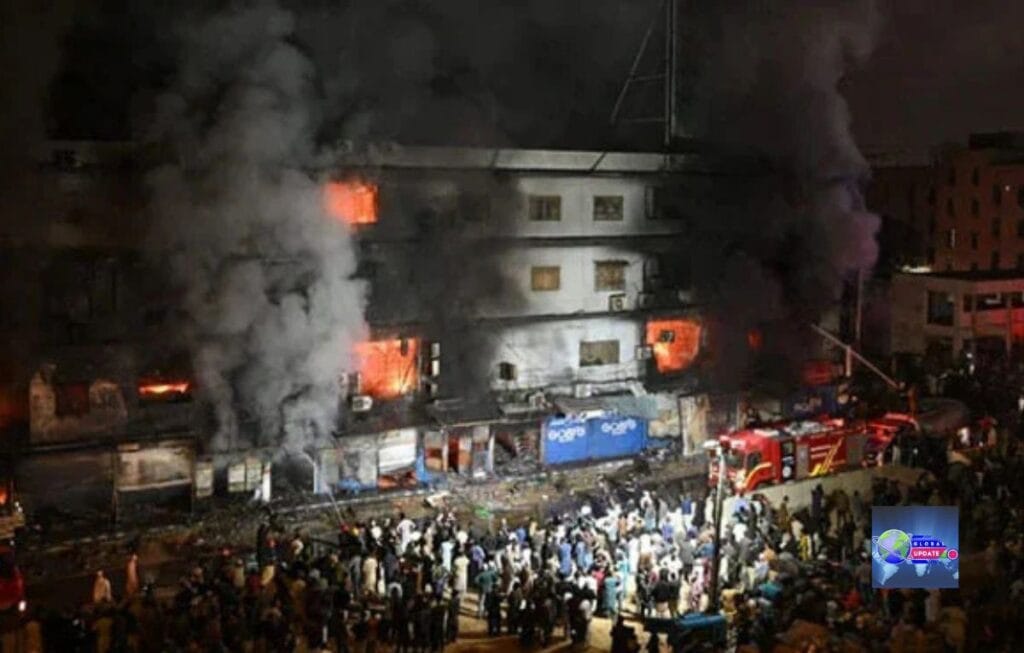
The blaze quickly spread through the multi-story complex, affecting more than 1,200 shops and creating thick black smoke visible across the city.
Initial rescue reports confirmed at least 71 people killed—including a brave firefighter—and dozens injured as fire crews battled the flames relentlessly for more than 36 hours.
The deadly Gul Plaza fire cost the economy Rs100 billion, according to a study.
The market, which serves low- and middle-income households, saw the destruction of over 1,000 shops, exposing critical safety failures and regulatory gaps.
The fire destroyed more than 1,000 shops in a market that is known for serving low- and middle-income families.
This shows that the city’s infrastructure is highly vulnerable to disasters due to serious safety issues and regulatory gaps.
Experts are pointing out problems with building safety and oversight. At the same time, the fire’s economic impact is still growing, with traders facing huge losses.
The death toll rises, and scores are still missing.
Rescue teams continued operations until Monday as the aftermath unfolded. Authorities now put the death toll at 14, with more than 60 people reported missing amid the rubble.
Families, believing that many loved ones were inside the building when the inferno began, have been anxiously searching for them.
The intense blaze and partial structural collapses have made rescue and recovery efforts dangerously complex. Thick smoke, risk of further collapses, and weakened pillars have slowed efforts to reach all areas of the gutted building safely.
Fire Escalates Despite Hours of Fighting
Firefighters faced immense challenges from the start. The fire, thought to have begun around 10:38 p.m. on January 17, spread rapidly due to highly flammable materials such as cosmetics, garments, plastic goods, carpets, and electrical items, which were stocked in many shops.
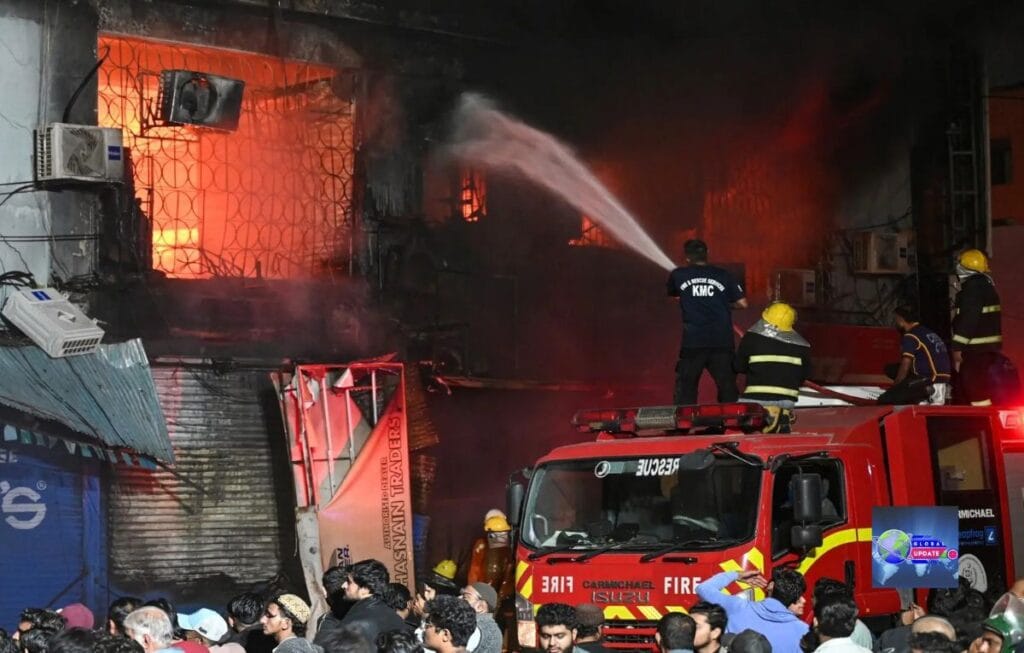
Teams fought the fire overnight and into the next day, deploying dozens of fire tenders, water bowsers, snorkels, and rescue units.
Despite controlling most flames after more than 24 hours of effort, pockets of heat and smoke persisted, delaying full entry into the damaged structure.
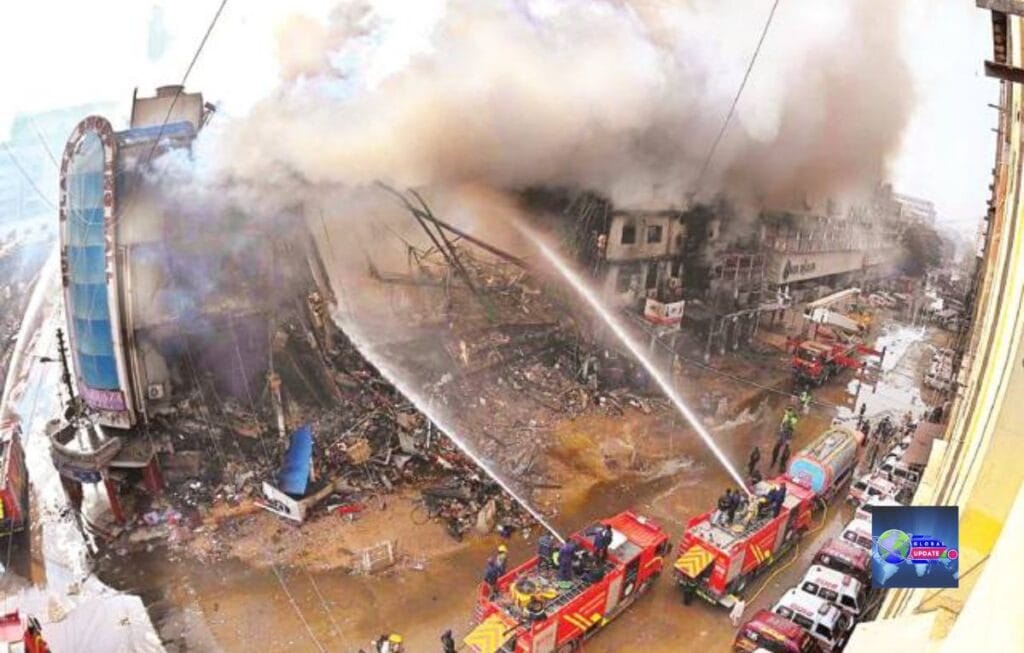
Structural Collapse and Search Operations
Sections of the building began to collapse as the fire weakened its structure, complicating rescue operations and heightening safety concerns for both firefighters and survivors.
Thermal cameras and special cutting equipment were used to begin entering the burned interior once the flames had mainly been extinguished.
Authorities have cautioned that the entire building remains extremely unstable, with cracked pillars and weakened walls posing an ongoing risk.
Rescue workers are proceeding carefully to avoid further disasters during the search for missing persons.
Human Toll and Emotional Aftermath
Witnesses and families at the scene expressed deep anguish. The loss of merchandise and decades of business nearly destroyed the life savings and livelihoods of many shopkeepers.
Loved ones waiting for news of missing relatives have described sleepless nights and deep distress as they await official updates.
Local social media and community forums are filled with heartfelt messages and prayers for those trapped or lost, reflecting the emotional weight of the tragedy on Karachi residents.
Government Response and Official Actions
Sindh Chief Minister Murad Ali Shah and local authorities have been coordinating the emergency response.
The Sindh government ordered a full investigation into the causes of the fire and pledged support to affected families and traders.
Preliminary findings suggest a short circuit may have triggered the fire, but full confirmation is pending a detailed inquiry by officials. Chief fire officers and civil administrators have submitted initial reports to provincial leadership.
Authorities have also emphasised the need to review and strengthen fire safety regulations city-wide to prevent similar tragedies in the future.
Public Reaction and Criticism
The delayed arrival of some government officials, including Karachi’s mayor, drew criticism from traders and the public.
Many protesters voiced their frustration at the perceived slow response and lack of efficient safety systems during the critical early hours of the blaze.
Shop owners and local citizens have questioned the readiness and effectiveness of firefighting infrastructure at major commercial districts, saying the tragedy highlights deeper issues with safety enforcement and emergency preparedness.
Historical Context and Safety Concerns
Gul Plaza, a long-established shopping center in one of Karachi’s busiest commercial sectors, has experienced minor fire incidents in the past, but none on this scale.
Analysts and observers note that many older buildings in Karachi lack modern fire safety systems, such as internal sprinklers, clear emergency exits, and functional smoke alarms—a problem repeatedly highlighted after past tragedies.
City planners and disaster management authorities have previously warned of vulnerabilities in commercial structures, calling for modernisation of firefighting infrastructure and stricter safety codes—warnings that have been renewed in the wake of this disaster.
What Happens Next
Authorities expect to continue search-and-recovery work for days to come, with the fire now largely under control and rescue teams inside the building.
Identification of victims will aided by DNA testing in some cases where remains are unrecognisable.
The Sindh government and federal officials have pledged support for reconstruction plans and financial relief for families and traders affected by the fire.
However, actual compensation details and timelines have yet to fully announced. (Geo News)

Key Facts at a Glance
- Incident: Massive fire at Gul Plaza Shopping Mall, Karachi
- Date: Began late Jan 17, 2026
- Casualties: At least 71 confirmed dead (including a firefighter)
- Missing: Over 90 persons still unaccounted for
- Injured: Dozens sustained injuries during the blaze and evacuation
- Cause: Under investigation; preliminary reports suggest a short circuit
- Response: Large-scale firefighting and rescue operations by Sindh authorities and emergency services