


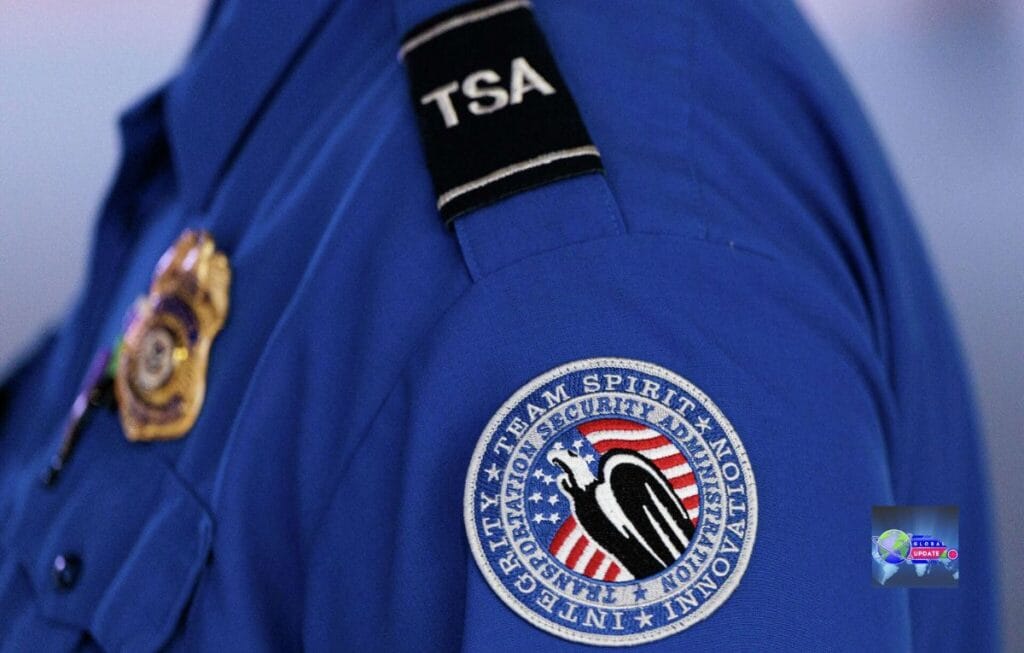

Starting February 1, 2026, TSA will charge travellers $45 at airport security if they do not have a REAL ID or an approved form of identification.
This constitutes a significant shift in airport security policy and affects passengers flying on domestic flights across the United States.
The new charge is tied to the TSA’s ConfirmID identity-verification system—a modernized alternative screening process designed to verify a traveler’s identity when they cannot present a REAL ID card or other acceptable identification at the security line.
Under the updated process, passengers without compliant IDs will be referred to ConfirmID and must pay a non-refundable $45 fee to attempt clearance through airport security.
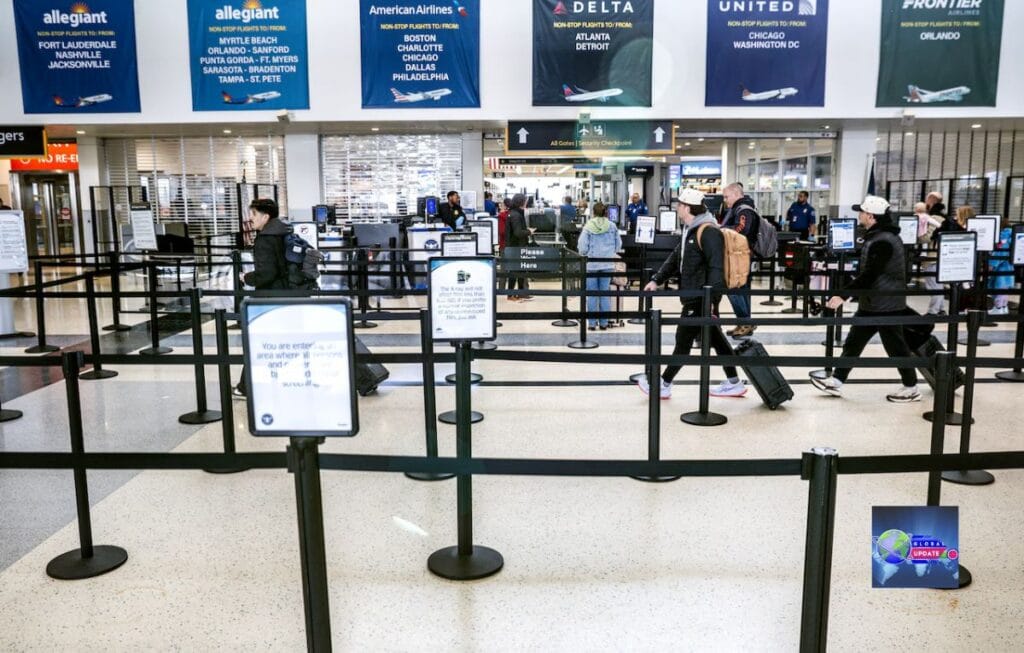
Why is the fee being introduced?
The $45 charge is part of the full implementation of the REAL ID requirements introduced in May 2025, which had allowed some flexibility for travellers without compliant IDs.
Until now, passengers without REAL ID or acceptable documentation could still pass through security after enhanced screening.
However, beginning in February, TSA officials say they will shift from optional enhanced checks to a fee-based identity verification system to cover the costs of extra screening, rather than relying on taxpayers to absorb them.
TSA points out that more than 94% of travellers already carry REAL ID licenses or other approved IDs, such as passports, permanent resident cards, or trusted traveller cards, so only a minority of flyers will be affected by the new fee.
How the Confirm ID Fee Works
The $45 fee is explicitly linked to TSA ConfirmID, which allows passengers without REAL ID or other compliant IDs to verify their identity through additional identity checks at the airport.
Once approved, the identity verification through ConfirmID is valid for 10 days, allowing travellers to use it for multiple flights during that period if they pay once.
Passengers have two main options for payment:
- Online before travel: Travellers can pay the $45 fee in advance through the TSA ConfirmID platform on Pay.gov.
- At the airport: Payment is also accepted at or near security checkpoints at many airports before entering the TSA security line.
Importantly, TSA warns that paying the fee does not guarantee successful verification. If the identity check fails, passengers may still be denied access at the screening checkpoint and could miss their flight.
Who Must Pay the Fee
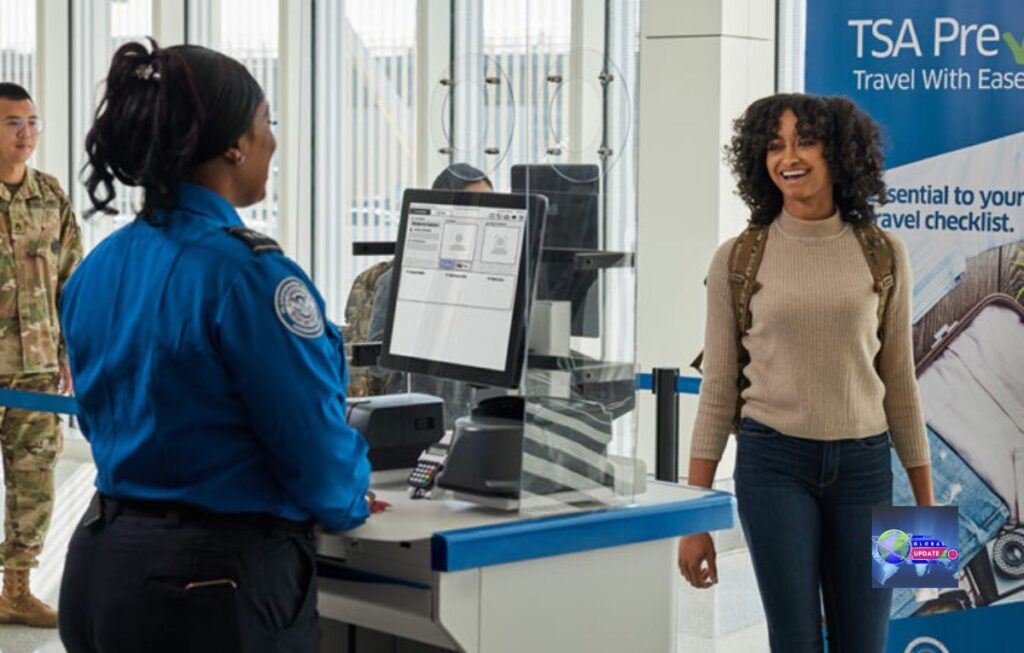
The fee applies to all passengers aged 18 and older who attempt to board a domestic flight without a REAL ID or another TSA-accepted form of identification. Acceptable alternatives that allow travellers to bypass the fee include:
- U.S. passports or passport cards
- REAL ID-compliant driver’s licenses or state IDs
- Military IDs
- Global Entry, NEXUS, or SENTRI traveler cards
- Permanent resident cards
- Enhanced state IDs and specific digital IDs from approved apps such as Apple Wallet or Google Wallet (where accepted)
If a passenger arrives at the security checkpoint without these forms of ID and either does not pay the fee or is unable to pay it, they may be barred from proceeding through security and from boarding their flight.
Practical Impacts and Airport Experience
Travellers are strongly urged to check their identification in advance and, if necessary, obtain a REAL ID or ensure they have an acceptable alternative before heading to the airport.
TSA and airline officials warn that passengers who rely on the ConfirmID process may encounter longer wait times and additional screening procedures, which could delay security clearance by 10 to 30 minutes or more.
Airport personnel in cities like Corpus Christi and other regional hubs are already notifying flyers of the upcoming change, emphasising that the fee will be in effect at security checkpoints nationwide.
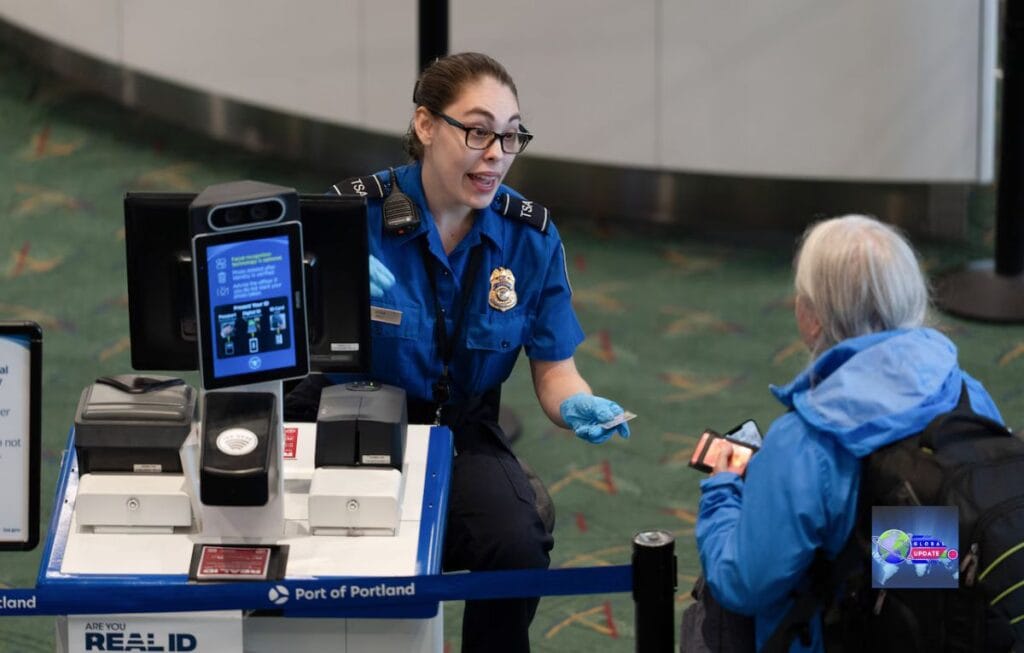
Sites near checkpoints will feature instructions on how to pay the cost, and TSA staff will assist travellers with the process when necessary.
Reactions and Traveller Advice
Many travel experts and commentators suggest that the move serves both as encouragement to obtain REAL ID cards and as an enforcement of the longstanding security policy that has been phased in over the past year.
Some see the fee as a penalty for non-compliance, while others view it as a practical way to offset increased screening costs.
Regardless, travellers are advised to avoid extra fees and potential airport delays by ensuring they carry acceptable identification.
For passengers planning domestic flights after February 1, it’s recommended to verify that their driver’s license is REAL ID-compliant—usually indicated by a gold star on the card—or to travel with an alternate approved ID like a passport or trusted traveller document.
Looking Ahead
The TSA’s move to a formal fee structure for identity verification represents an essential shift in post-9/11 travel security policy.
It reflects the broader implementation of the REAL ID Act, which has been years in the making due to repeated delays in enforcement.
As the new fee takes effect this February, travelers should either update their documents in advance or be prepared to pay the $45 fee to ensure they can pass through airport security without disrupting their travel plans. (HSToday)