

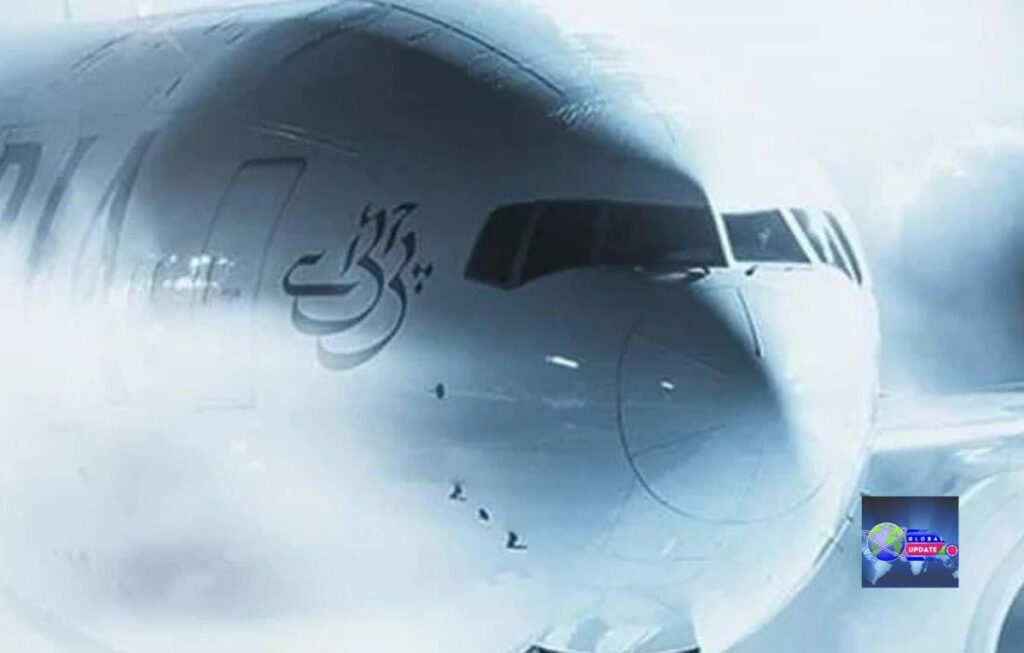

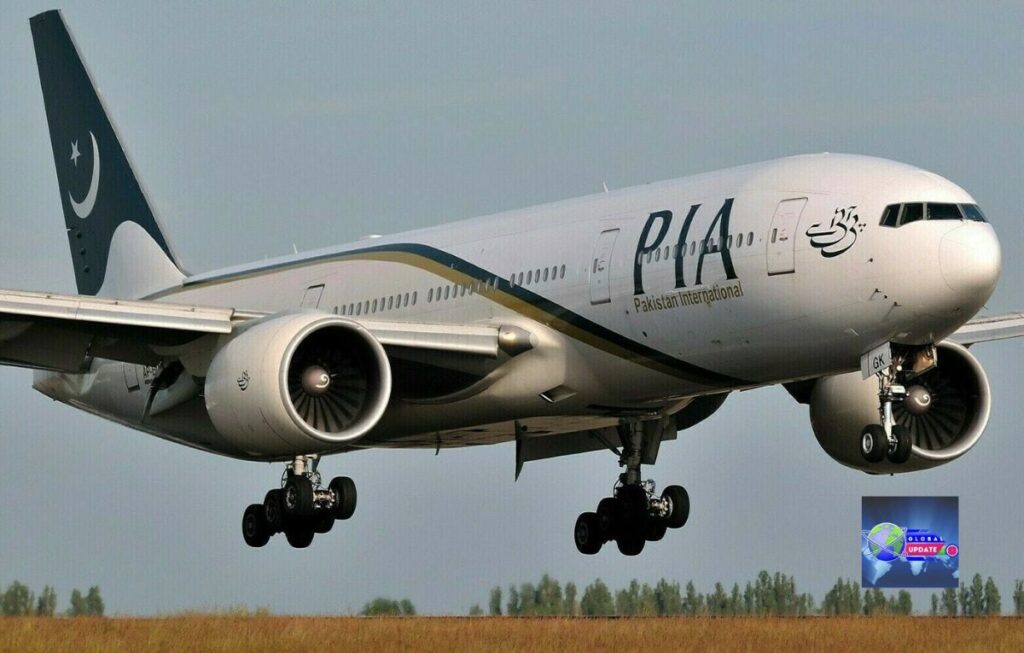
PIA privatisation refers to the sale of Pakistan International Airlines—the country’s state-owned airline—to private investors or consortia.
The goal was to end decades of losses, debt accumulation, and operational inefficiencies by shifting majority control from the government to private sector partners.
Privatisation was also aimed at helping Pakistan meet conditions set by the International Monetary Fund (IMF) under its loan program, which urged Islamabad to offload loss-making state-owned enterprises (SOEs).
Timeline: From Plans to Completion
- 2024–2025: Multiple attempts were made; an early bid in 2024 failed after receiving only a Rs10 billion offer (far below the government’s reserve price).
- April 2025: The privatisation process was relaunched with improved incentives and debt restructuring to attract serious bidders
- Late 2025: Four firms were shortlisted to bid for a 75% stake in PIA.
- December 23, 2025: A public, televised auction resulted in the winning bid for a 75% stake.
- January 29, 2026: The privatisation concluded with the official signing of agreements between the government and the new owners.
Who Bought PIA?
The Arif Habib-led consortium (including Arif Habib Corp., Fatima Fertiliser, City School, and Lake City Holdings) secured the 75% majority stake with a winning bid of around Rs135 billion (~$482 million).
The government retains a 25% ownership stake, with future discussions possible to sell that share or bring in strategic partners.
How Much Did the Sale Raise?
The total valuation of the deal reached Rs135 billion. However, only a portion of that amount is direct cash to the government; most of the valuation is tied to capital commitments and reinvestment in PIA itself.
Approximately 92.5% of the proceeds will be reinvested in PIA to fund its revival, including fleet expansion, modernisation, and operational improvements.
Why Did the Government Privatise PIA?
Several key reasons drove PIA’s privatisation losses and debt:
Years of financial losses left PIA deeply in debt, making it a heavy burden on taxpayers.
📉 Demand from IMF:
Under the IMF’s conditions for financial support, Pakistan was asked to privatise major SOEs, including PIA
📈 Operational Inefficiencies:
The airline’s outdated management, bloated workforce, and grounded aircraft contributed to poor performance.
Privatisation was seen as essential to modernise operations, improve customer service, and expand route networks.
What Happens Next?
Expansion and Revamp
Under new ownership, plans include:
- Doubling operational aircraft from ~18 to ~38 within a few years.
- Expanding flight routes both domestically and internationally.
- Workforce transition plans and improved service standards.
Brand & Name
PIA’s brand and name remain unchanged—even after privatisation.
Controversies & Public Reaction
The privatisation has stirred debate:
Supporters Say:
- Privatisation will force professional management, cut red tape, and modernise the airline.
- Investments will rejuvenate the national carrier after decades of stagnation.
Critics Argue:
- Some say only the assets were sold cheaply, while thedebt remains with taxpayers.
- Labour unions and political parties have protested against privatisation, arguing that it is a loss of a national icon.
Why It Matters for Pakistan
PIA was once considered a prestigious national symbol, pioneering international routes and regional aviation services. (Al Jazeera)
With privatisation, the government hopes to transform PIA into a sustainable, competitive airline, boost investor confidence, and relieve the national budget from recurrent subsidies.
What’s the Big News Now?
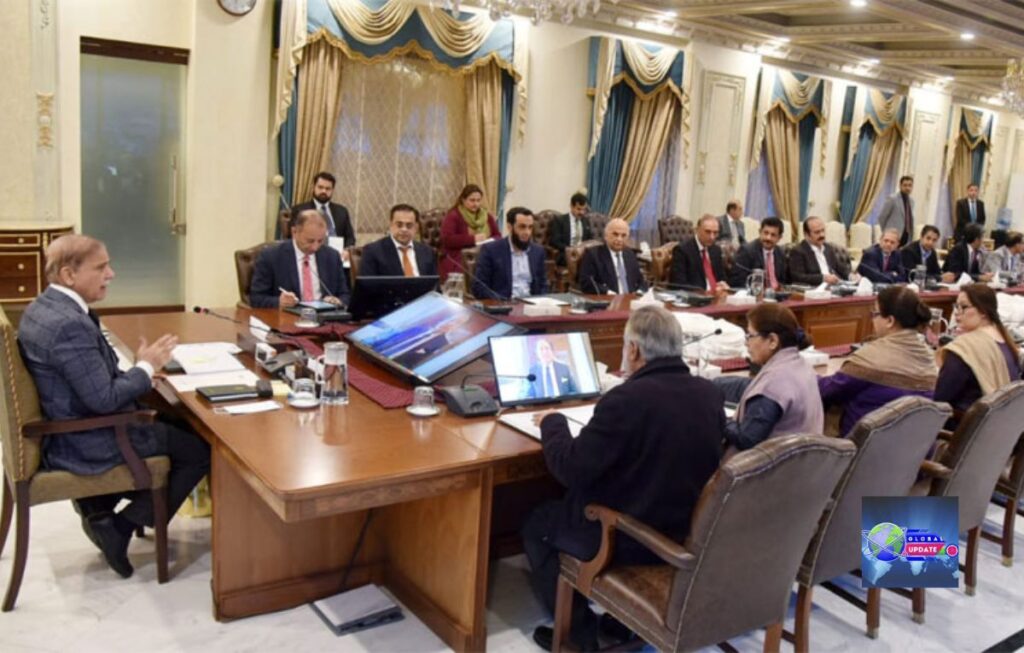
Pakistan International Airlines (PIA)’s privatisation was officially completed as of late January 2026, with the transaction documents signed between the Government of Pakistan and a consortium led by Arif Habib Corporation Limited.
The signing ceremony was attended by Prime Minister Shehbaz Sharif and Field Marshal Asim Munir, marking a historic milestone for Pakistan’s aviation sector.
This concludes the long-running privatisation process that began with the expression of interest and pre-qualification of bidders throughout 2025.
Who Bought PIA & How Much Was the Deal?
A consortium led by Arif Habib Corporation emerged as the winning bidder in a live auction held in December 2025, offering Rs135 billion (~$482 million) for a 75% stake in PIA.
This makes it one of the most significant privatisation transactions in Pakistan in years, driven by private-sector investors aiming to turn around the airline’s decades-long losses.
How the Money Breaks Down
While the headline figure is Rs135 billion:
- The government receives ~Rs. 10 billion in cash upfront for the stake.
- The majority of the value (Rs 125 billion) is tied to capital reinvestment commitments for PIA’s revival—purchasing aircraft, expanding the fleet, enhancing service, etc.
- The government retains a 25% stake (though some bids initially sought a complete sale).
Experts note that while touted as a Rs135 billion deal, actual cash to the government is much lower, and most funds are reinvested to build PIA’s future. (This breakdown has also been widely discussed in public forums.)
What Happens Next—Timeline & Operations
The new owners are expected to take operational control from April 2026, pending regulatory and corporate approvals.
Plans shared publicly by the consortium include:
✔️ Fleet expansion and modernisation
✔️ Improving service quality and punctuality
✔️ Retaining workers with transitional safeguards under the privatisation agreement.
Why the Government Privatised PIA
PIA has been a loss-making entity for many years, with massive debt burdens and operational trouble. The privatisation was driven by:
- Reforming Pakistan’s aviation sector
- Reducing the fiscal burden on taxpayers
- Fulfilment of IMF conditions under economic restructuring efforts
- Attracting private investment & professional management
These motivations were repeatedly highlighted throughout the 2025 privatisation process.
Legal Challenges & Controversies
The privatisation deal has faced legal scrutiny—a court case has challenged the Rs135 billion sale price and the transaction structure.
Public debate continues around:
⚠️ Whether the debt was fairly handled
⚠️ Whether taxpayers benefit
⚠️ How labour and pension obligations will be honoured
These discussions are still evolving.
Public & Expert Reaction
Supporters argue the sale is necessary to save PIA from collapse, unlock investment, and revive Pakistan’s flag carrier.
Critics highlight concerns that the state’s heavy liabilities remain with taxpayers, while the private buyers get the brand and assets. This has been a topic of spirited debate on social platforms and financial forums.
Potential Future Impact
If successful, the privatisation could:
- Improve international competitiveness
- Boost flight routes and connectivity
- Attract foreign partnerships
- Increase tourism and aviation jobs
- Encourage further SOE reforms
But much depends on execution, fleet renewal, and economic conditions in 2026 and beyond.
Quick Summary
Status: Privatisation officially completed (Jan 2026)—transaction documents signed.
Bid Value: Rs135 billion for 75% stake; most of the value reinvested.
New Control: Arif Habib Corporation-led consortium.
Operational Start: Expected April 2026.
Controversies: Court challenges and public debate.