


Eid ul Adha 2026 in Pakistan brought families together in a spirit of sacrifice, faith, and generosity as they celebrated one of Islam’s most meaningful festivals with devotion and joy.
Eid ul Adha, also known as the “Festival of Sacrifice,” is one of the most sacred Islamic festivals celebrated in Pakistan, marked by deep religious devotion, family gatherings, and acts of charity.
In 2026, Muslims across Pakistan observed Eid ul Adha with traditional enthusiasm, spiritual reflection, and community spirit.
The occasion commemorates the willingness of Prophet Ibrahim (AS) to sacrifice his son in obedience to Allah’s command—a test of faith that was divinely replaced with a ram.
In Pakistan, Eid ul Adha is more than a religious celebration. It is a time for sacrifice, compassion, family reunions, and helping those in need.
From bustling cattle markets to Eid prayers, qurbani rituals, and festive meals, the festival transforms daily life across cities and villages alike.
Eid ul Adha 2026 Date in Pakistan
According to Pakistan’s Central Ruet-e-Hilal Committee, the moon for Zil Hajj 1447 AH was officially sighted on May 17, 2026.
As a result, Eid ul Adha 2026 was celebrated nationwide on Wednesday, May 27, 2026. The announcement was made after verified moon-sighting reports from different parts of the country, including Khyber Pakhtunkhwa and Balochistan.
The first day of Zil Hajj began on Monday, May 18, meaning that the 10th of Zil Hajj—the day of Eid ul Adha—fell on May 27. Religious scholars and moon-sighting authorities confirmed the date after reviewing testimonies and weather conditions nationwide.
Public Holidays for Eid ul Adha 2026
The Government of Pakistan announced public holidays for Eid ul Adha from May 26 to May 28, 2026, allowing citizens to celebrate with family and fulfil religious obligations comfortably. In many areas, people combined the weekend with an extended break.
The holiday period increased travel activity across Pakistan as families returned to their hometowns and villages to celebrate together.
Bus terminals, railway stations, and airports witnessed heavy crowds in the days leading up to Eid.
Religious Significance of Eid ul Adha
Eid ul Adha commemorates the extraordinary sacrifice of Prophet Ibrahim (AS), who was willing to sacrifice his son, Prophet Ismail (AS), to obey Allah’s command.
Before the sacrifice took place, Allah replaced Prophet Ismail (AS) with a ram, symbolising divine mercy and the reward for obedience.
For Muslims, Eid ul Adha represents the following:
- Faith in Allah
- Sacrifice and devotion
- Obedience to divine guidance
- Charity and generosity
- Community unity
The spirit of sacrifice remains at the heart of the celebration, reminding Muslims about compassion, humility, and caring for others.
Eid Prayers Across Pakistan
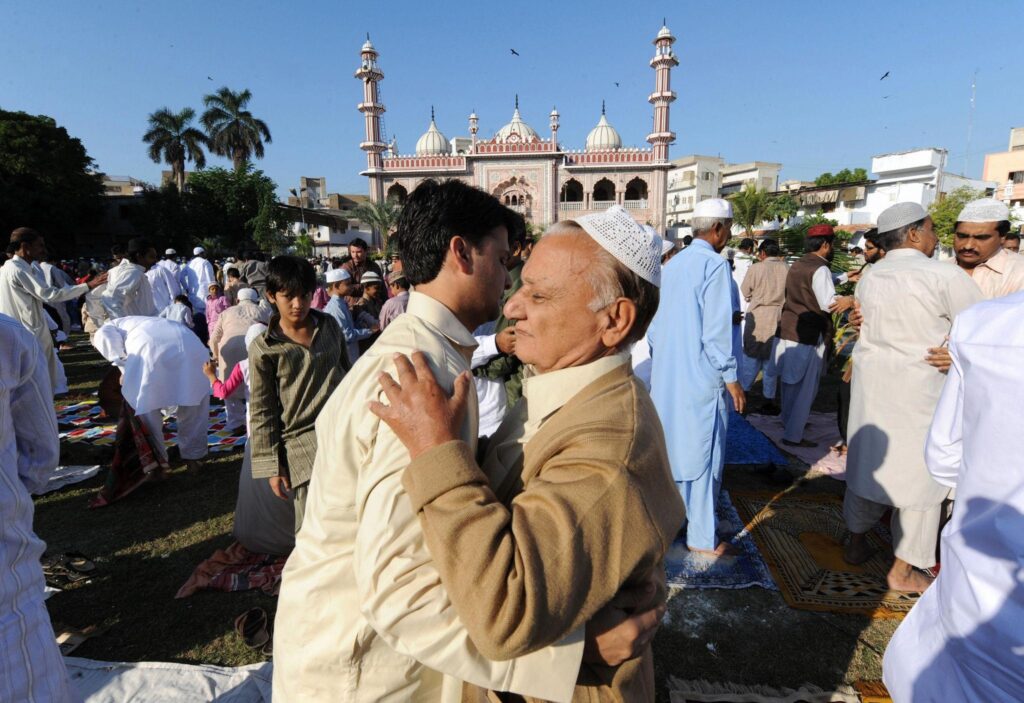
On Eid morning, millions of Pakistanis gathered at mosques, Eidgahs, and open grounds for special Eid prayers.
Major prayer congregations were held in cities such as the following:
Karachi, Lahore, Islamabad, Peshawar, and Quetta.
Worshippers dressed in traditional clothes, exchanged Eid greetings, and prayed for peace, prosperity, and blessings for Pakistan and the Muslim world.
Special sermons emphasised sacrifice, patience, forgiveness, and helping underprivileged families.
The Tradition of Qurbani in Pakistan
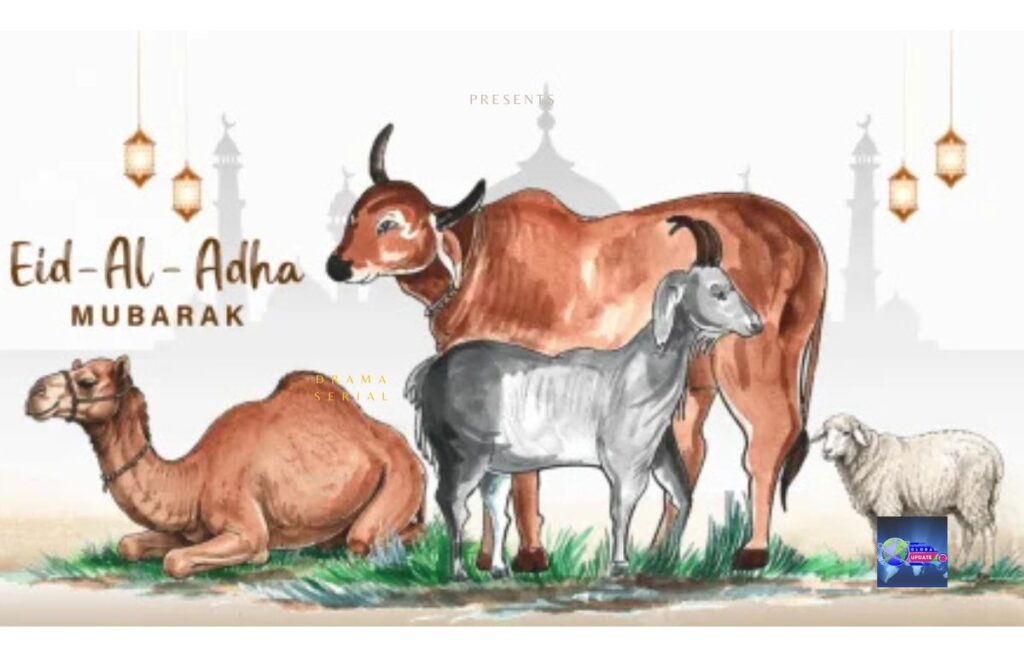
Qurbani (animal sacrifice) remains the most important tradition associated with Eid ul Adha.
Muslims who can financially afford it sacrifice animals such as:
- Goats
- Cows
- Camels
- Sheep
The meat is traditionally divided into three parts:
- One portion for the family
- One portion for relatives and friends
- One portion for poor and needy people
This tradition ensures that disadvantaged communities can also participate in Eid celebrations.
In 2026, qurbani activities continued for three days following Eid, from May 27 to May 29. (QurbaniExpress.com)
Cattle Markets Before Eid
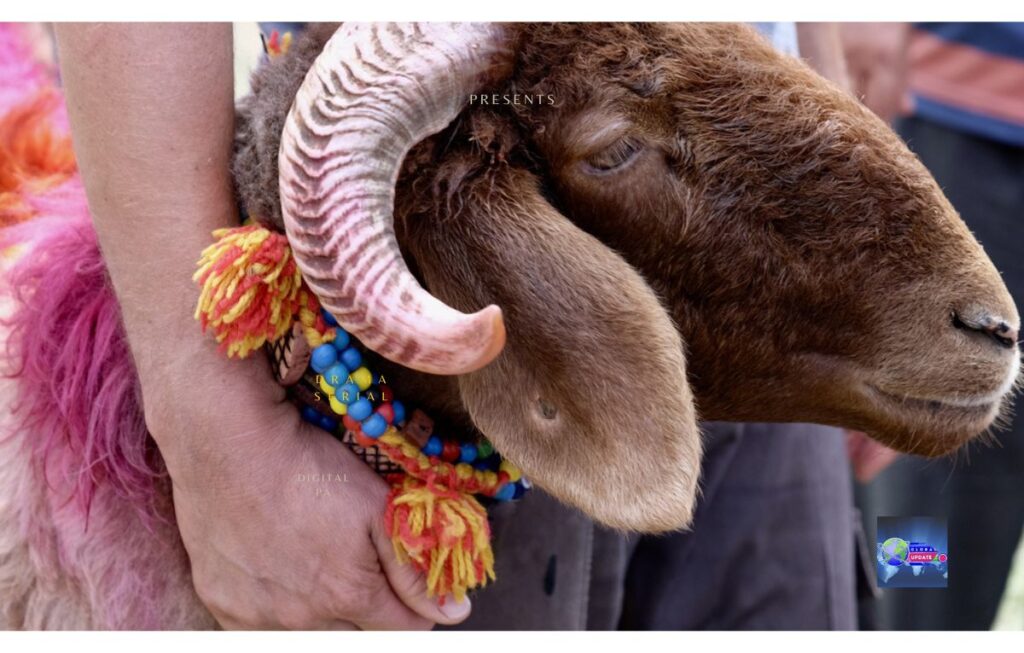
Weeks before Eid ul Adha, temporary cattle markets appeared across Pakistan.
Karachi’s famous Sohrab Goth cattle market remained one of the country’s largest animal trading hubs, attracting buyers from across the country.
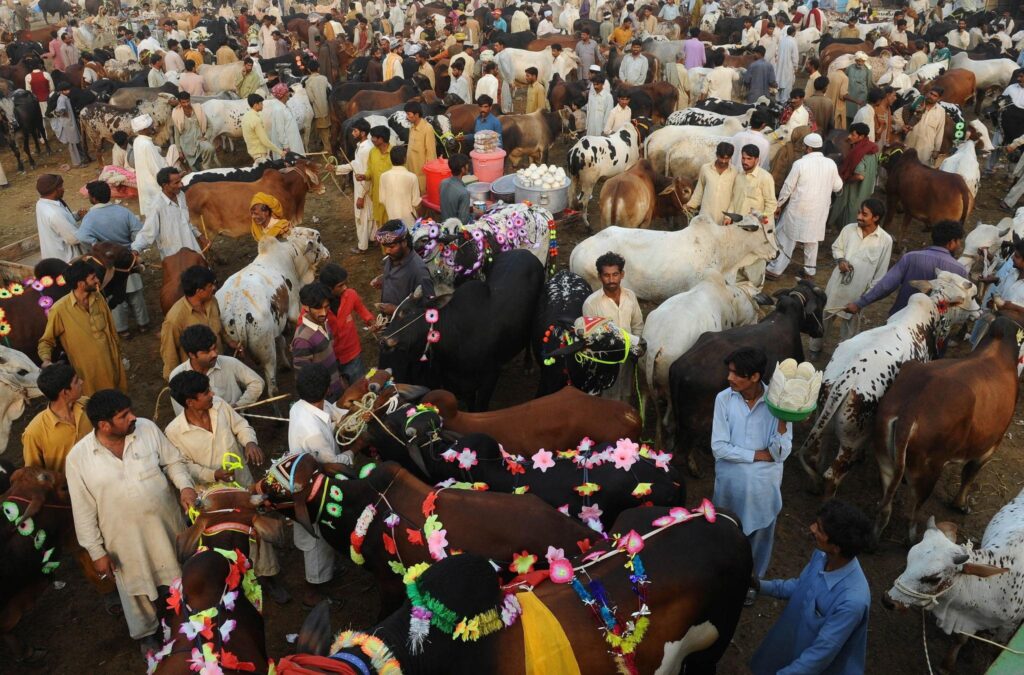
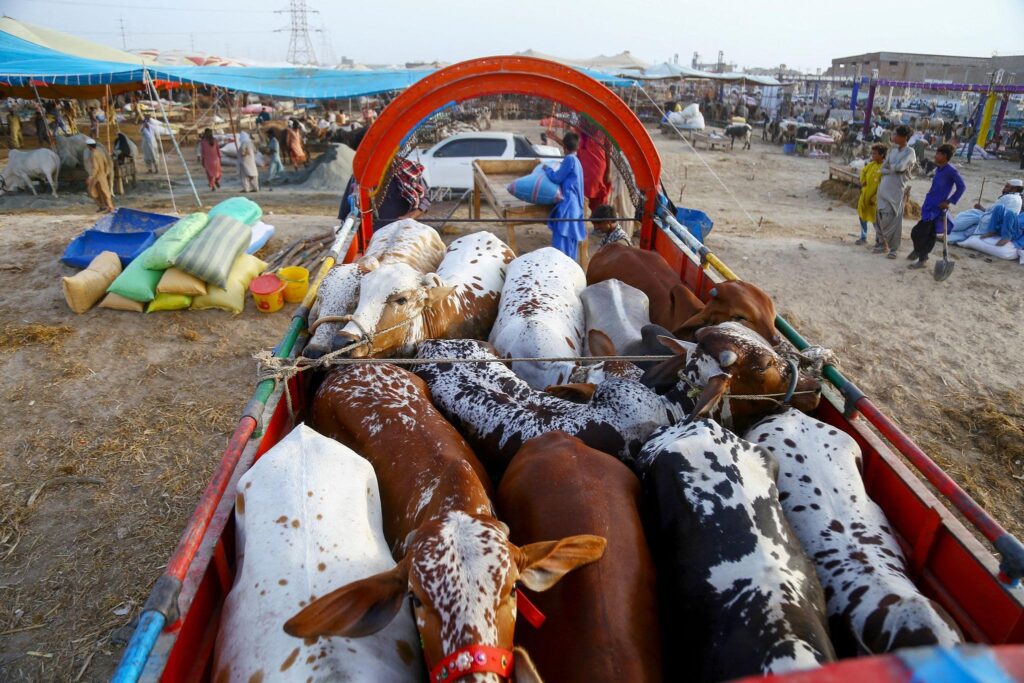
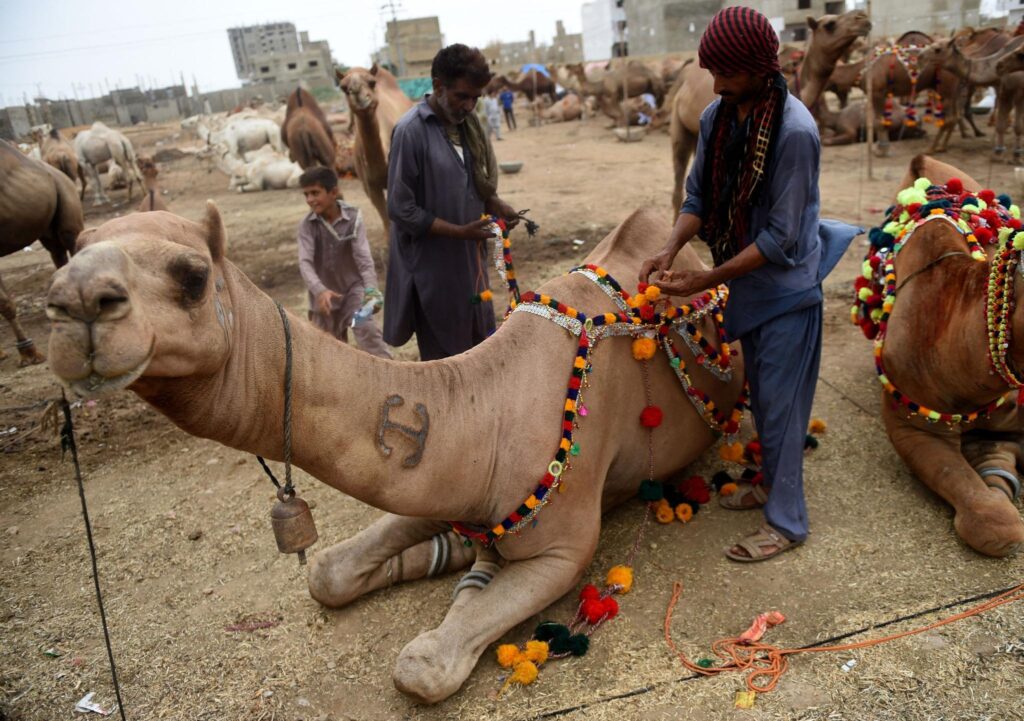
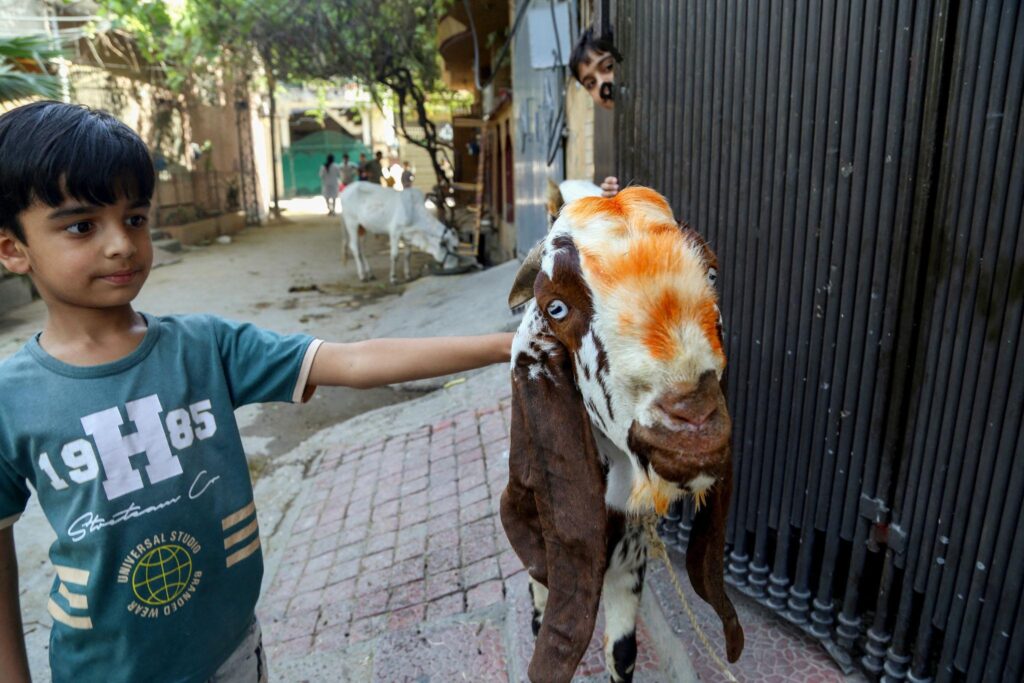
Families visited markets to buy sacrificial animals, often spending hours negotiating prices and selecting healthy livestock.
Children especially enjoy this part of Eid, often forming emotional attachments with animals brought home before sacrifice.
However, rising inflation in 2026 reportedly eroded purchasing power, leading many families to prefer collective cow shares over individual animal purchases.
Eid Food and Traditional Dishes
Food plays a major role in Eid ul Adha celebrations in Pakistan.
After qurbani, homes prepare a variety of meat-based dishes, including:
Biryani
Karahi
Seekh Kebab
Nihari
Pulao
Barbecue gatherings are particularly popular during Eid holidays, with families and friends coming together to celebrate.
For many Pakistanis, Eid ul Adha is as much about family bonding as religious observance.
Charity and Helping the Needy
Charity remains one of the strongest themes of Eid ul Adha.
Many organisations and welfare groups arrange qurbani meat distribution in poor neighbourhoods and remote villages.
Pakistanis also donate to:
- Orphanages
- Welfare trusts
- Mosques
- Food distribution programs
The purpose is to ensure that no family is left hungry during Eid celebrations.
Religious scholars frequently stress that Eid ul Adha teaches compassion and social responsibility.
Eid Shopping and Fashion Trends
Like other major festivals, Eid ul Adha also drives shopping activity.
Markets across Pakistan become crowded with shoppers buying:
- Traditional clothes
- Shoes
- Jewelry
- Fragrances
- Gifts for relatives
Popular traditional outfits include:
- Shalwar kameez
- Kurtas
- Waistcoats for men
- Embroidered dresses for women
In 2026, social media trends also influenced Eid fashion choices among younger Pakistanis.
Social Media and Digital Eid
Technology continues reshaping Eid celebrations.
In 2026, many Pakistanis exchanged the following:
- WhatsApp Eid wishes
- Video calls with overseas relatives
- Instagram Eid photos
- Family vlogs and qurbani moments
Digital greetings became especially important for overseas Pakistanis who were unable to celebrate in person with their families.
Online platforms were filled with messages such as “Eid Mubarak” and family reunion pictures.
Environmental and Urban Challenges
Large-scale qurbani also creates urban management challenges.
Municipal authorities across major cities arranged the following:
- Waste collection systems
- Sanitation drives
- Animal disposal management
Special cleaning teams worked during Eid to prevent health risks caused by leftover waste.
Environmental awareness campaigns increasingly encouraged hygienic disposal and responsible qurbani practices.
Overseas Pakistanis and Eid ul Adha
For overseas Pakistanis, Eid ul Adha remains deeply emotional.
Many families living abroad participate in online qurbani services offered by charities and welfare organisations in Pakistan.
These services allow people to arrange qurbani remotely while supporting poor communities back home.
This trend has grown significantly in recent years.
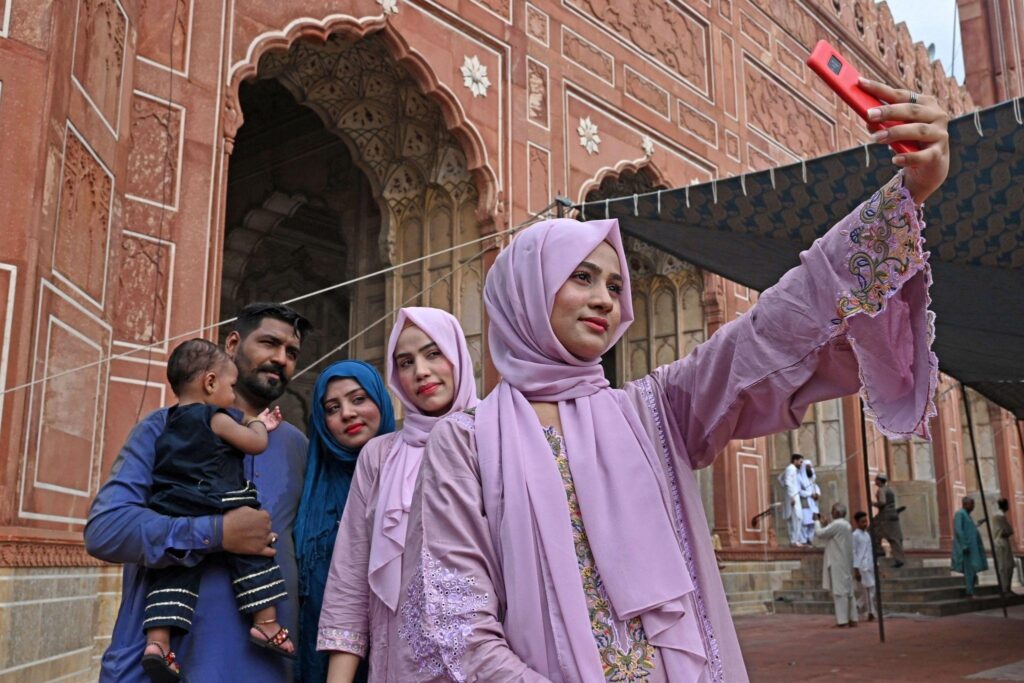
The Spirit of Togetherness
Perhaps the most beautiful aspect of Eid ul Adha in Pakistan is togetherness.
Families reunite, relatives visit one another, and communities gather for meals and celebrations.
Despite economic challenges, Eid continues to bring joy and unity to millions.
The festival reminds people of gratitude, patience, sacrifice, and humanity.
Conclusion
Eid ul Adha 2026 in Pakistan was celebrated with faith, sacrifice, and family spirit. Observed on May 27, 2026, following official moon sighting announcements, the festival once again united millions through prayer, qurbani, charity, and celebration. (The Pak Pulse)
From cattle markets and Eid prayers to festive meals and acts of generosity, Eid ul Adha remains one of Pakistan’s most cherished religious occasions.
Beyond traditions, the festival carries a timeless message: true sacrifice is not only about animals—it is about faith, compassion, and caring for others.