


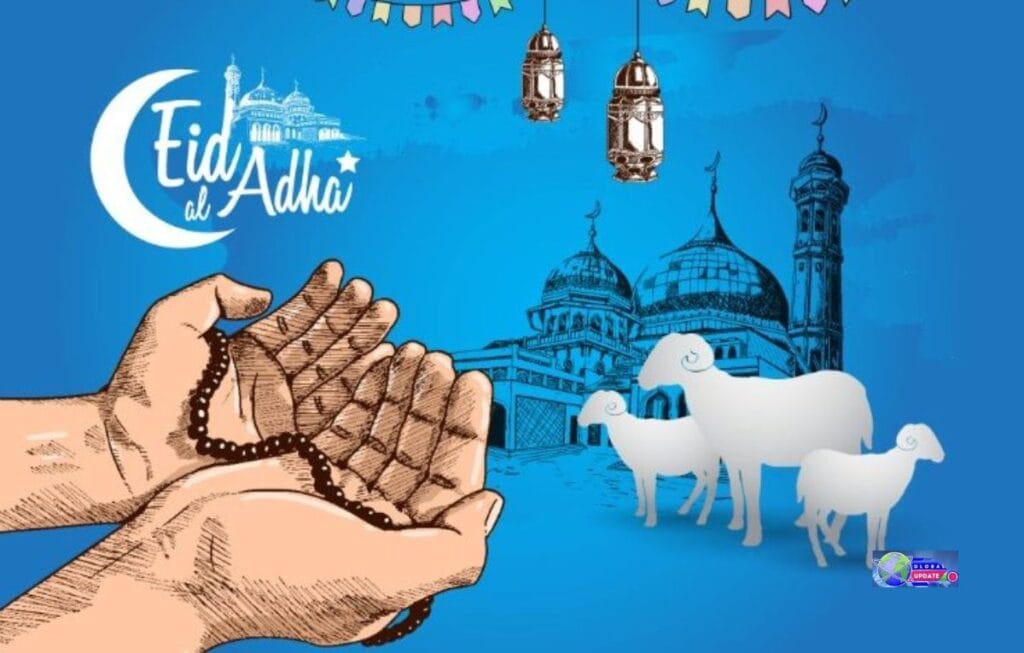

Eid ul-Adha 2025, also known as the Festival of Sacrifice, is a time for reflection, gratitude, and spending time with loved ones. As we approach 2025, this beloved event encourages us to explore its rich traditions, profound rituals, and lively celebrations.
Every part of the celebration holds deep meaning, from the solemn act of sacrifice, which symbolizes commitment and generosity, to the joyful gatherings around delicious feasts.
This article explores ways to commemorate the spirit of Eid, including heartwarming rituals, delicious celebratory recipes, and fun ways to celebrate that will make your observance memorable.
Join us on this inspirational journey to better understand Eid ul-Adha and create memories that last with the people you love.
Let’s commemorate this important day in a way that truly touches the heart, whether you’re hosting a family feast or participating in local traditions.
What Eid ul-Adha means and where it came from.
Eid ul-Adha, or the Festival of Sacrifice, is one of the most important religious holidays for Muslims. It remembers how Prophet Ibrahim (Abraham) was willing to kill his son Ismail (Ishmael) as a sign of his allegiance to God.
Muslims worldwide celebrate this vital act of faith every year. It marks the end of the Hajj pilgrimage to Makkah, one of Islam’s Five Pillars.
The story of Ibrahim and Ismail powerfully illustrates the importance of faith and submission to God’s plan. It serves as a lasting reminder of devotion and sacrifice in Islam.
Eid ul-Adha falls in the last month of the Islamic lunar calendar, Dhu al-Hijjah. The date changes every year, depending on when the moon is visible, so the event can fall in different seasons.
During the four-day holiday, Muslims do a lot of different religious and social things.
The central part of Eid ul-Adha is the sacrifice of an animal, usually a sheep, goat, cow, or camel, to remember Ibrahim’s sacrifice.
People share the meat from the sacrifice with family, friends, and people in need, strengthening the principles of community and generosity.
Eid ul-Adha holds a rich historical and spiritual significance that extends beyond the act of sacrifice. Muslims should use this time to reflect on their faith and their relationship with God, ask for forgiveness, and recommit to living a life of piety and righteousness.
The story of Ibrahim’s sacrifice powerfully reminds us of the importance of trusting God’s plan and staying patient and persistent.
As we prepare to celebrate Eid ul-Adha in 2025, it’s essential to understand and appreciate the long-standing customs and beliefs that make this holiday so memorable.

Important Eid ul-Adha 2025 Traditions.
Eid al-Adha has numerous traditions, encompassing both religious and cultural aspects. One of the most important rituals is the Qurbani, or sacrifice slaughter, which happens after the Eid prayer.
You can show God how much you love and respect him by giving up this sacrifice. One-third of the sacrificed animal’s meat is given to the family, one-third to friends and neighbors, and the remaining one-third to less affluent individuals.
This practice demonstrates the importance of sharing and caring for others, a fundamental principle of Islam.
Another important ritual is the Eid prayer, held on the morning of the first day of Eid ul Adha. Muslims gather in large groups at mosques or open prayer areas to recite a special prayer called Salat al-Eid.
The prayer consists of two parts, followed by a sermon. During the sermon, the imam explains the importance of the festival and what people can learn from the story of Ibrahim.
When Muslims pray together, they feel a sense of belonging to a community and brotherhood.
Eid ul Adha is more than religious ceremonies; it’s also a time for parties and socializing. Families come together to eat, exchange gifts, and spend quality time together.
To mark the occasion, people usually wear their best or new clothes, often traditional garments.
People adorn their homes and make special dishes and sweets to celebrate. These traditions not only make the holiday more fun, but they also bring families and friends closer together, making Eid ul-Adha a happy and memorable time for everyone.
Important things to do to get ready for Eid ul-Adha.
People start preparing for Eid al-Adha long before the day of the feast. Choosing and buying the animal to sacrifice is one of the most crucial steps.
This method requires careful consideration to ensure the animal meets religious requirements: it should be healthy, of the right age, and free of defects.
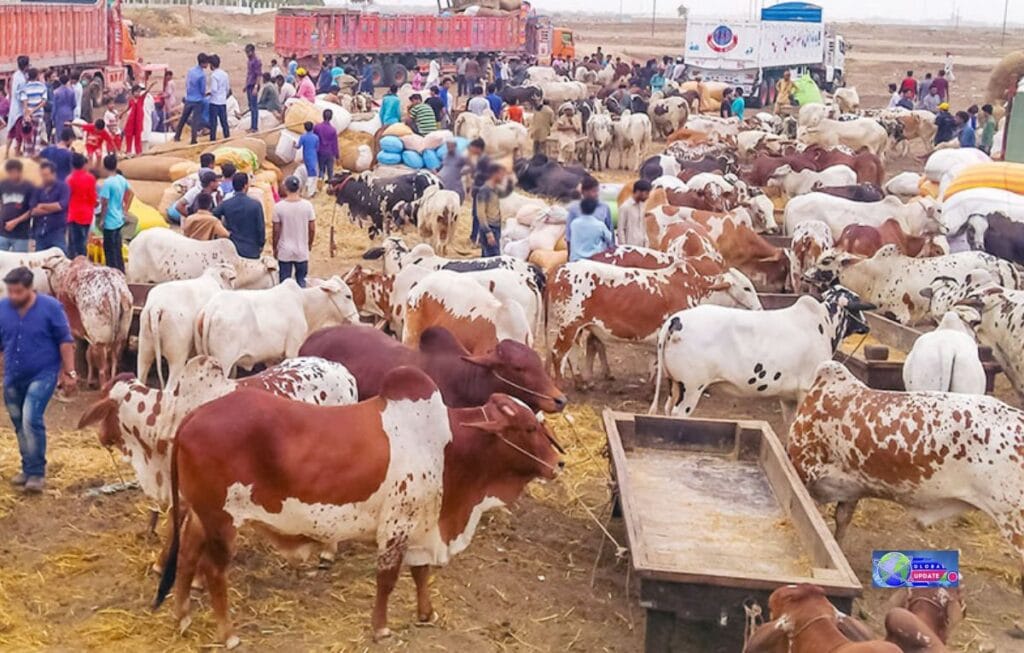
Many families visit livestock markets to select their animal, but some may opt to buy one online, especially in urban areas.
People believe that buying and caring for the animal before sacrifice is an integral part of the ritual because it teaches them responsibility and care.
Another critical step in preparation is purifying the body and mind. In the days leading up to Eid al-Adha, Muslims engage in additional acts of worship, such as praying more frequently, reading the Quran, and seeking forgiveness.
The Day of Arafah, which is the day before Eid, is significant for people who are not going on Hajj.
It is recommended to fast on this day, as it is believed to atone for past sins and those that will occur in the future. During this time of heightened spirituality, people prepare for the holy day of Eid al-Adha by preparing their hearts and minds.
Families typically gather the night before Eid to clean and decorate their homes, prepare their festive attire, and plan the food for the celebration.
Women and children can apply henna to their hands, a ritual that adds to the holiday’s fun.
People also pray and reflect on the night, asking for blessings in the days ahead. These preparations make people look forward to and feel excited about the celebration, which promises to be both meaningful and fun.
Muslims demonstrate respect and enthusiasm for Eid al-Adha by observing these essential practices. This ensures that the holiday is celebrated spiritually and communally.
Eid ul-Adha recipes for parties.
Food is an essential part of Eid al-Adha celebrations, and people prepare special dishes for the holiday.
Biryani is a famous rice dish made with meat, spices, and fragrant flowers.
People typically use the flesh from the animal they have killed to make biryani, a favorite dish at Eid feasts for its rich flavors and aroma.
You can add other meats to the dish, such as lamb, goat, or chicken. It usually comes with raita (a yogurt sauce) and salad, which makes it a complete and filling dinner.
Kababs are another popular dish. They are chunks of meat marinated in a mix of herbs and spices, then grilled or skewered. You can use several cuts of beef to make kababs, such as pieces, ground meat, or even liver.
Marinating is crucial because it tenderizes the meat and adds flavor, resulting in a tasty, juicy meal.
Kababs are an excellent choice for Eid parties because you can serve them with naan or pita bread, chutneys, and dips.
Desserts are a must-have on the Eid al-Adha meal for people who like sweets.
Baklava is a thick, flaky pastry filled with nuts and sweetened with honey or syrup. It is one of the most popular treats. People from many different cultures enjoy baklava, which adds elegance to the holiday table.
Sheer Khurma is another famous dessert. It’s a classic pudding made with vermicelli, milk, dates, almonds, and fragrant spices like cardamom.
People often serve this rich, creamy dessert to guests as a sign of hospitality and happiness. You can make your Eid ul-Adha celebrations more fun and tasty by using these festive dishes.
Creative ideas for decorating for Eid ul-Adha.
Decorations play a significant role in getting people in the mood for Eid ul-Adha. A unique way to decorate your home is to use traditional things like lanterns, crescent moons, and stars.
You can incorporate these symbols throughout your decor, as they hold cultural and religious significance.
For example, hang crescent moon garlands and beautiful lanterns in the living room or doorway to create a warm, inviting space.
You can also use string lights to illuminate these decorations, making them look more festive and sparkly.
Create a special space in your home for prayer or reflection. A prayer rug, Quran, and other religious things can make this a tiny section of your home.
Adding soft cushions, candles, and flowers to this space creates a peaceful, welcoming atmosphere for family members to worship and reflect.
This special area not only enhances the spiritual aspect of your festivities, but it also provides a quiet space for reflection and gratitude.
You may also be creative with your Eid al-Adha decorations by how you set the table. Consider using tablecloths, napkins, and crockery in rich, festive colors such as gold, silver, and deep green.
You can also create a lovely, welcoming tablescape by incorporating natural elements such as fresh flowers, fruits, and plants.
Adding personalized place cards, little gift boxes, or favor bags packed with sweets to your table settings will make your guests feel special and valued.
You can make your Eid al-Adha celebrations more enjoyable and memorable for everyone with these unique décor ideas.
Things to Do with Family and Friends on Eid al-Adha.
Eid al-Adha is a time to reconnect with family and friends, and you can enjoy many activities together.
A potluck or community feast, where families bring their favorite dishes to share, is a popular activity.
This communal lunch brings people together, allowing everyone to try a variety of delicious delicacies. It also gives people a chance to connect, tell tales, and have fun together.
People can hold communal feasts at local mosques, community centres, or even in parks. It makes them easily accessible for everyone to enjoy.
Family activities are also an integral part of Eid ul-Adha celebrations. One option is to schedule a family outing or picnic and use the holiday to spend quality time together.
Visiting the park, the beach, or a nearby location is a great way to create memories and break up the typical routine.
Children can play games and engage in other enjoyable activities, while adults can relax and enjoy each other’s company.
Picnics can also be an excellent opportunity to share the story of Ibrahim and Ismail with kids, helping them understand the celebration’s significance in a fun, engaging way.
Another meaningful way to celebrate is to give back to the community or support a charity. Many families prefer to dedicate their time to local shelters, food banks, or other charitable organizations, which aligns with the spirit of giving that is important during Eid al-Adha.
This can be a gratifying experience for both parents and children, as it teaches kindness, empathy, and social responsibility.
You can enhance your Eid al-Adha celebrations and feel more connected to others by participating in these activities with your family and community.
The spirit of Eid ul-Adha is about giving and helping others.
Eid ul-Adha is all about giving back and helping others, which shows the ideals of kindness, charity, and social responsibility.
One of the most critical aspects of the ceremony is distributing the sacrificial meat to those in need.
Qurbani is a charitable deed that ensures everyone, regardless of their financial situation, can participate in the celebration.
People usually divide the meat into three parts: one for the family, one for friends and neighbors, and one for those in need. This practice not only fulfills a religious duty, but also brings people together and makes them feel part of a community.
Many Muslims give to charity in different ways at Eid al-Adha, in addition to Qurbani.
It may involve providing money, clothing, food, and other essential items to those in need. Zakat, or giving to those in need, is another integral part of Islamic charity, and many people choose to do it during this time.
Giving, whether it’s through Qurbani, Zakat, or another means, is a way to remember how blessed you are and the importance of aiding those who are less fortunate.
It’s a way to express gratitude and fulfill one’s obligations to God and others.
During Eid ul-Adha, people can also do community service and volunteer work as part of their charitable work. Many people and families choose to volunteer at local shelters, food banks, or other philanthropic organizations.
This hands-on involvement not only benefits these groups significantly, but it also gives the individuals who participate a sense of purpose and fulfilment.
You can honor the true meaning of Eid ul-Adha and help make your community better by being charitable and giving back.
When you do something nice or give something away, it generates a ripple effect that brings happiness and hope to those who need it most.
Around the world, people are celebrating Eid ul-Adha.
People worldwide celebrate Eid ul-Adha with great excitement and variety. Each location adds its cultural flavor to the celebrations.
In the Middle East, for example, celebrations often include large family gatherings, elaborate meals, and traditional music and dance.
In places like Saudi Arabia and the United Arab Emirates, the festival is a time for big family reunions, where people from all over the world gather together to celebrate.
People shop for new clothes, gifts, and holiday meals in busy streets and marketplaces.
Pakistan, India, and Bangladesh are among the South Asian countries that celebrate Eid ul Adha with a blend of religious and cultural customs.
The day begins with Eid prayer, followed by animal sacrifice. Then, they share the meat with family, friends, and anyone who needs it.
Families come together to enjoy special foods like biryani, nihari, and kababs, and exchange gifts. People wear traditional clothes like shalwar kameez and sarees, and they decorate their homes with flowers and lights.
The holiday mood is even better when people greet each other and show kindness.
Eid-ul-Adha is a significant celebration in Africa, and people observe it in various colorful ways. People in Nigeria, Egypt, and Morocco commemorate the event with group prayers, street celebrations featuring lots of music and dancing, and traditional music and dance.
People give the sacrificial meat to their neighbors and those less fortunate, strengthening the principles of community and charity.
Indonesia and Malaysia are two Southeast Asian countries that celebrate Eid ul-Adha with the same enthusiasm.
The Eid prayer, Qurbani, and joyful dinners with family and friends are all part of the celebrations. Traditional arts and crafts, cultural performances, and community events all help make the holiday more enjoyable.
We can appreciate the rich cultural tapestry that makes Eid ul-Adha so special by examining the diverse ways it is celebrated around the world.
How to Host an Eid ul-Adha Party That Everyone Will Remember.
Hosting an Eid ul-Adha party can be a gratifying, joyful experience as family and friends come together to celebrate this special day.
Sending out thoughtful invitations is one of the first steps to creating an event that people will remember.
Personalized invitations can make your guests feel special and excited about the event, whether you send them via paper or online.
Include important details such as the date, time, location, and any specific dress code or theme that the event requires.
A great party needs a warm, inviting atmosphere. Add festive touches to your home, such as lighting, lanterns, and flower arrangements.
Create a cozy space for people to sit and converse. If you want people to pray during the gathering, consider setting up a designated prayer area.
Offering items such as prayer mats, a Quran, and a peaceful space to pray can enhance the spiritual aspect of the celebration.
Playing soothing background music or traditional Eid tunes can also make the party feel more joyful and festive.
Planning a diverse range of tasty dishes is essential for a well-rounded menu. Include a range of recipes that appeal to varied tastes and dietary needs.
Biryani, kebabs, and desserts are always popular Eid foods, but feel free to add some modern or fusion cuisine to the mix.
Make sure you have enough appetizers, main courses, and desserts to keep guests satisfied throughout the evening.
You may set up a buffet or food stations so that people can serve themselves and eat at their own pace.
You can organize an Eid ul-Adha event everyone will remember by paying attention to these details and making the space warm and welcoming.
Conclusion: Embracing the Eid ul-Adha 2025 Spirit.
Eid ul-Adha is a significant, reflective, and joyous time. As we approach 2025, it’s a good time to learn more about the rich traditions and beliefs that make this holiday so memorable.
Every aspect of Eid ul-Adha 2025 holds deep spiritual and cultural significance, from the vital act of sacrifice to communal prayers, joyful meals, and charitable giving.
By learning about and respecting these traditions, we can appreciate the festival’s meaning and create lasting memories with our loved ones.
As we celebrate Eid ul-Adha, let’s also remember the importance of kindness and community.
Engaging in activities that bring people together, such as family gatherings, community feasts, or humanitarian projects, helps strengthen the relationships that hold us together.
We can embody the spirit of Eid ul-Adha 2025 and make our communities better by sharing what we have and helping those in need.
This celebration is a powerful reminder of the Islamic faith’s essential ideals of faith, devotion, and selflessness.
To sum up, Eid ul-Adha 2025 is a time to reflect on our blessings, deepen our faith, and celebrate with joy and gratitude.
This holiday should be a time to connect with others and get ideas. Whether you’re hosting a family feast, participating in local customs, or simply spending time with loved ones, it’s a time to do so.
By embracing the spirit of Eid ul-Adha, we can create a celebration that touches our hearts and spirits, giving us a new sense of purpose and memories we will treasure.
Let’s come together to respect this beautiful day and celebrate in a way that truly reflects the essence of Eid ul-Adha 2025.
Keep on Reading:
- Unlocking the Past: What is a Beeper Phone and Why It Still Matters Today
- SSGC announces gas supply schedule for Eid ul Adha