




Pakistani cinema has undergone one of the most remarkable transformations in South Asia over the last decade.
Once considered a declining industry struggling to compete with foreign films, the country’s film sector is now entering a new era of reinvention, experimentation, and global ambition.
In 2026, Pakistani cinema stands at a crossroads—balancing commercial entertainment, artistic storytelling, digital disruption, and international recognition.
What lies ahead could define the next golden chapter of the country’s entertainment industry.

From Lollywood’s Decline to Revival
For decades, Pakistani cinema—often called “Lollywood”—was centered in Lahore and flourished during the 1960s to 1980s.
Classic films, memorable soundtracks, and stars dominated cinemas across Pakistan.
However, the industry suffered a sharp decline during the 1990s and early 2000s due to political instability, piracy, shrinking cinema infrastructure, and competition from television and imported entertainment.
Many cinema halls shut down, local film production slowed dramatically, and audiences turned toward television dramas and foreign films.
By the early 2000s, Pakistani cinema faced an identity crisis.
The revival began gradually with films such as Khuda Kay Liye and Bol, which proved that Pakistani audiences still had an appetite for meaningful local storytelling.
But the real turning point came with blockbuster productions and improved filmmaking standards in the 2010s and early 2020s.
Films began to embrace better cinematography, stronger scripts, and higher production values.
The Legend of Maula Jatt Effect
No discussion about Pakistani cinema’s evolution can ignore the impact of The Legend of Maula Jatt.
The film fundamentally changed expectations for local filmmaking.
With its cinematic visuals, world-class action choreography, ambitious storytelling, and international box office success, it demonstrated that Pakistani films could compete on a much larger scale.
Industry analysts widely view it as the project that restored audience confidence in cinema-going.
The success of The Legend of Maula Jatt also inspired filmmakers to think bigger.
Producers became more willing to invest in technically ambitious projects, while audiences began expecting higher standards in storytelling and production quality.
By 2026, many filmmakers openly credit the movie for helping reshape Pakistan’s cinematic landscape.
2026: A Defining Year for Pakistani Cinema
The year 2026 represents a crucial phase in Pakistani cinema’s evolution.
Instead of relying on a single dominant genre, filmmakers are now experimenting with horror, thrillers, action, social drama, romance, fantasy, and historical storytelling.
The 2026 film lineup reflects this diversity. Eid release seasons have become increasingly competitive, with multiple local films competing for audience attention rather than leaving theaters dominated by imported productions.
Reports suggest that Pakistani filmmakers are strategically targeting festive release windows to maximize theatrical attendance.

Upcoming films such as Zombeid, Luv Di Saun, and other new projects represent this shift toward genre experimentation.
For example:
- Horror and zombie storytelling are entering mainstream Pakistani cinema.
- Romance films now combine action and social commentary.
- Punjabi and regional-language cinema are regaining prominence.
- Experimental storytelling is receiving greater acceptance.
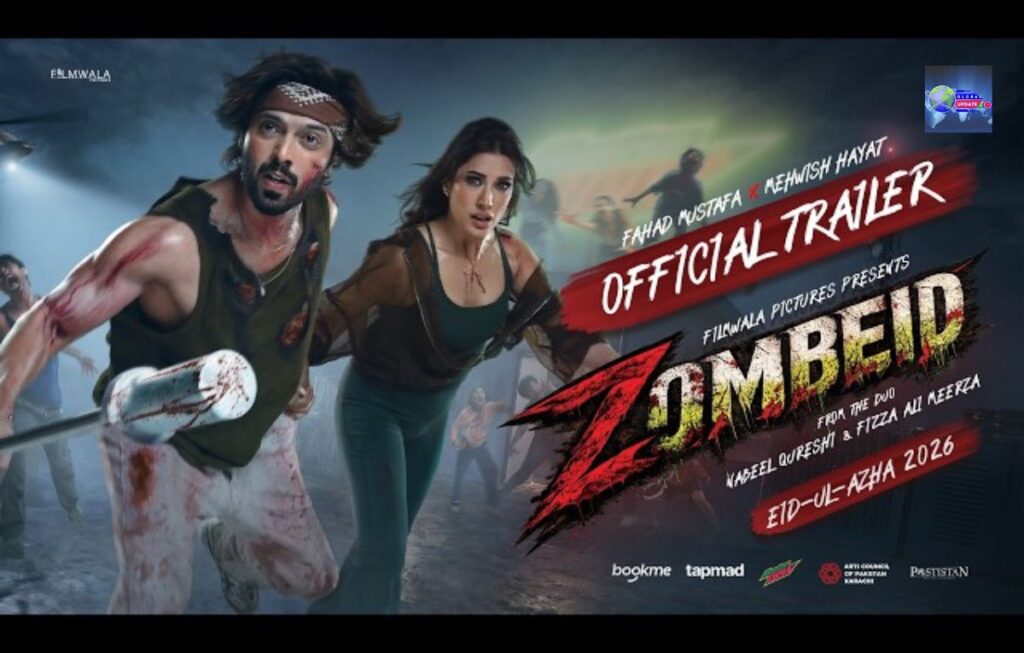
This diversification signals maturity within the industry.
Aag Lage Basti Mein
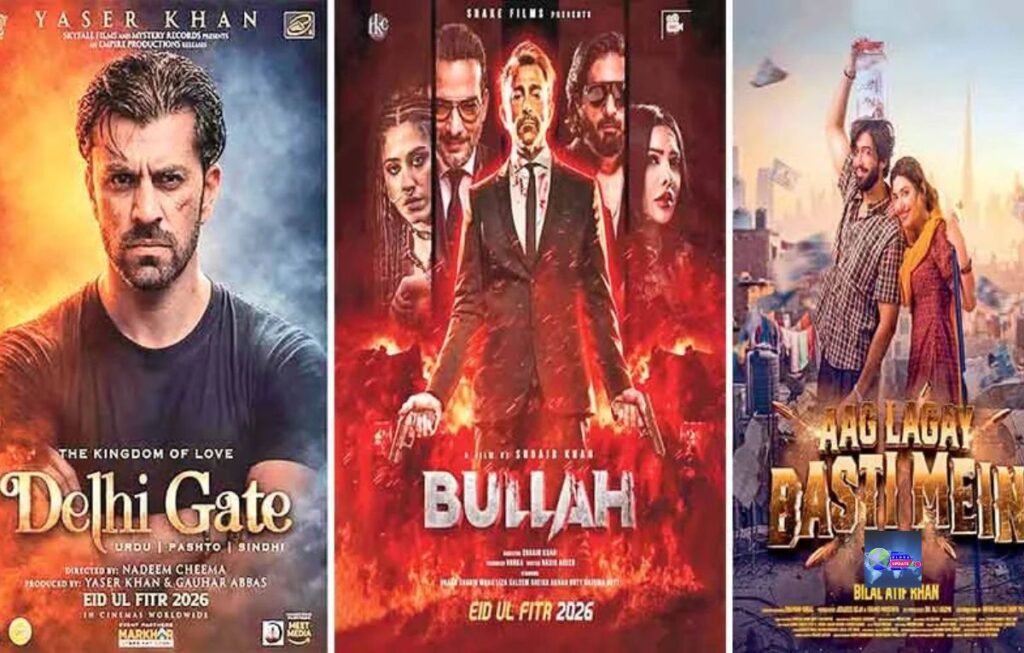
The Pakistani film Aag Lage Basti Mein emerged as one of the biggest cinematic successes of 2026, starring Fahad Mustafa and Mahira Khan in lead roles.
Directed by Bilal Atif Khan, the crime-comedy drama follows a struggling Karachi couple who turn toward petty crime in hopes of escaping poverty, blending humor, action, and emotional storytelling.
Released on Eid-ul-Fitr 2026, the film garnered strong audience attention and reportedly grossed PKR 86 crore worldwide, making it one of the highest-grossing Pakistani films ever.
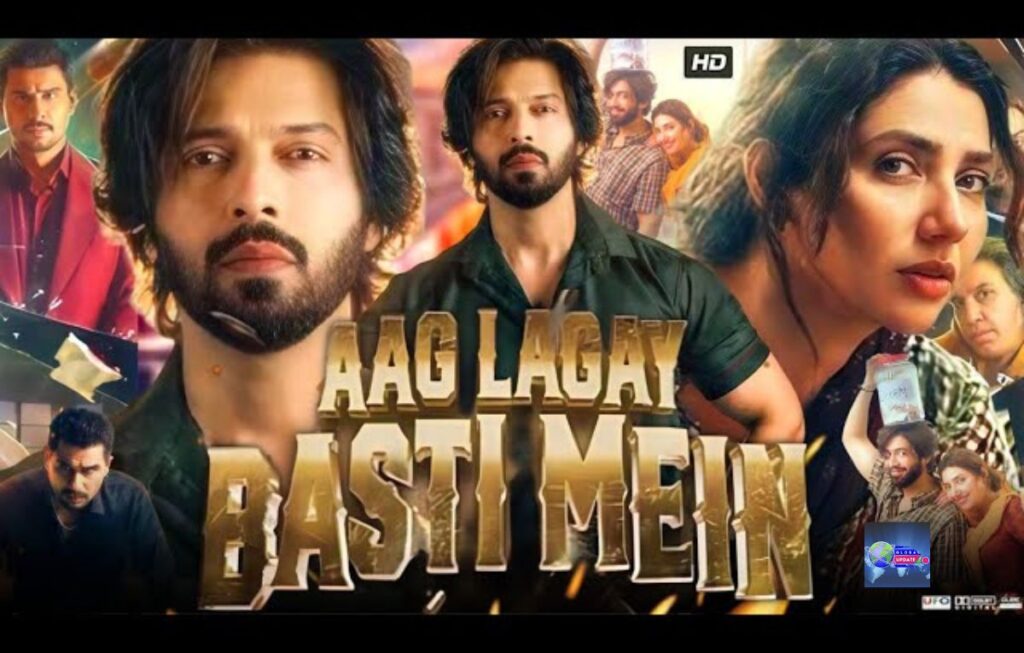
Many viewers praised its entertaining plot, comic timing, and chemistry between the lead stars.
Bullah
Bullah marked the powerful return of Shaan Shahid to Punjabi cinema, bringing action, culture, and resistance themes together in one film.
Directed by Shoaib Khan and written by veteran screenwriter Nasir Adeeb, the film follows a principled man who fights injustice and organized crime in Punjab’s spiritual heartland.
Featuring actors like Sara Loren and Naeema Butt, Bullah generated strong excitement before its Eid-ul-Fitr 2026 release, particularly because of Shaan’s comeback after years away from major Punjabi action cinema.

The film is being viewed as part of a revival of Punjabi-language storytelling in Pakistan.
Delhi Gate
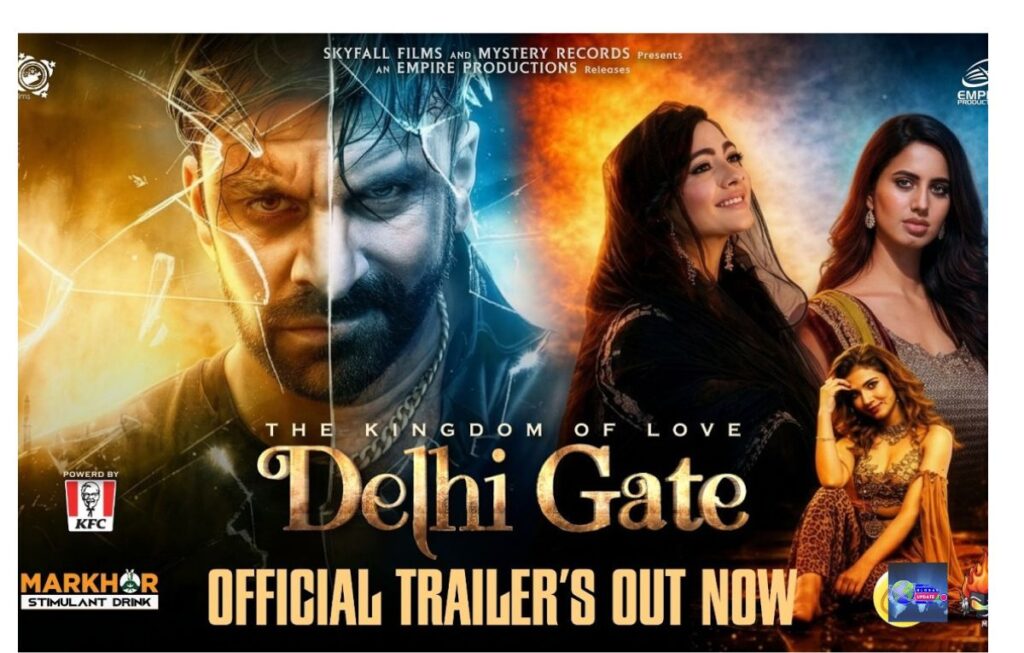
Delhi Gate brought romance, family drama, and Lahore’s cultural beauty to the big screen through a story centered around love, sacrifice, and emotional conflict.
Directed by Nadeem Cheema, the film explores relationships and personal choices while visually celebrating the heritage and atmosphere of Lahore’s historic areas.
After facing delays due to production challenges during the COVID era, the movie finally premiered in 2026 and gained attention for its traditional setting and emotional storytelling. Industry observers viewed Delhi Gate as a film that blends nostalgia with modern Pakistani cinema, helping diversify the country’s film landscape.
The Rise of Technical Excellence
One of the biggest changes in Pakistani cinema is the rapid improvement in technical quality.
Modern Pakistani filmmakers are increasingly investing in:
- High-end cinematography
- Advanced visual effects (VFX)
- Professional sound design
- Action choreography
- Better screenplay development
This shift is helping films appear more polished and internationally competitive.
According to industry reports, the rise of digital filmmaking technology and the emergence of better-trained filmmakers have played a major role in this transformation.
Directors returning from international film schools and greater exposure to global filmmaking standards have significantly raised production quality.
The audience now expects cinema-quality visuals rather than television-style filmmaking.
Streaming Platforms and the OTT Revolution
Perhaps the most important force shaping Pakistani cinema beyond 2026 is digital streaming.
Traditional cinemas still dominate the box office, but streaming services are becoming increasingly important for long-term growth.
Local digital platforms are expanding rapidly, while filmmakers continue exploring partnerships for post-theatrical releases. Industry observers believe OTT (over-the-top) streaming platforms could become essential for sustaining Pakistani films internationally.
However, major challenges remain.
Many Pakistani films struggle to secure global streaming distribution, leaving overseas audiences frustrated.
Online discussions frequently highlight the difficulty of legally accessing Pakistani films abroad after theatrical runs.
One Reddit user noted:
“Is there no official platform to watch Pakistani films?”
This frustration highlights an important opportunity for Pakistan’s entertainment industry—building stronger digital distribution systems for international audiences.
By 2030, streaming may become just as important as theatrical performance for measuring success.
The Changing Taste of Pakistani Audiences
Pakistani audiences themselves are evolving.
Viewers today are more exposed to international content through platforms like Netflix, YouTube, Korean dramas, Hollywood, Turkish series, and Bollywood films. This exposure has raised expectations dramatically.
Audiences increasingly demand the following:
- Better scripts
- Stronger acting
- Cinematic visuals
- Unique storytelling
- Emotional authenticity
At the same time, there is an ongoing debate about audience preferences.
Some online communities argue that mainstream Pakistani audiences still favor formula-based comedy and family entertainers, making it harder for experimental films to succeed commercially.
Others believe audiences are ready for more innovative storytelling if quality improves.
This tension between commercial formulas and artistic ambition may define the next phase of Pakistani cinema.
International Recognition and Global Identity
Pakistani cinema is increasingly gaining recognition on international platforms.
In 2026, Pakistani representation at international film festivals has grown significantly, signaling greater global visibility for local artists and filmmakers.
International appearances by Pakistani actors and filmmakers reflect a growing effort to position Pakistan as a serious contributor to global cinema culture.
Independent Pakistani films are also receiving more festival exposure.
Rather than solely targeting commercial success, many filmmakers are now producing projects aimed at international audiences, focusing on identity, migration, women’s rights, social issues, and regional culture.
This dual-track system—commercial cinema alongside festival cinema—could strengthen Pakistan’s global reputation in film.
The Return of Regional Storytelling
Another major shift in Pakistani cinema is the growing importance of regional identity.
Punjabi, Pashto, Sindhi, Balochi, and Urdu storytelling are increasingly being embraced as filmmakers rediscover local narratives.
Instead of copying foreign storytelling styles, modern Pakistani films are increasingly drawing inspiration from:
- Folk tales
- Urban realities
- Cultural heritage
- Historical events
- Regional dialects
Films rooted in local environments often resonate strongly with audiences because they feel authentic and culturally familiar.
This trend may eventually help Pakistani cinema establish a stronger international identity distinct from neighboring industries.
Women in Pakistani Cinema
The role of women in Pakistani cinema is also evolving.
Female-led narratives are becoming more common, and actresses are increasingly taking on layered, complex characters rather than stereotypical supporting roles.
At the same time, more women are participating behind the camera as:
- Directors
- Writers
- Producers
- Editors
Industry observers believe greater female representation will help diversify storytelling and improve cinematic depth.
The future of Pakistani cinema will likely depend on whether the industry continues encouraging broader participation and diverse creative voices.
Challenges Still Facing the Industry
Despite encouraging progress, Pakistani cinema still faces major obstacles.
Limited Cinema Screens
Pakistan still has relatively few cinema screens compared to neighboring countries, limiting theatrical growth. Smaller cities often lack modern theaters, restricting audience access.
Piracy
Piracy remains a serious problem, reducing box office earnings and hurting filmmakers financially.
Funding Challenges
High-quality filmmaking requires significant investment, and many producers still struggle with limited budgets.
Inconsistent Content
The industry continues searching for consistency. One successful film often generates optimism, but weak follow-up releases can quickly damage momentum.
Global Distribution
Pakistani films still lack robust international streaming and theatrical distribution.
What Pakistani Cinema Could Look Like Beyond 2026
If current trends continue, Pakistani cinema by 2030 could become the following:
More Genre Diverse
Expect stronger growth in horror, sci-fi, crime thrillers, historical epics, and fantasy films.
More Global
Pakistani films may increasingly target overseas markets, especially diaspora audiences in the UK, North America, and the Middle East.
More Digital
Streaming platforms will likely become major revenue sources alongside theatres.
More Technically Advanced
Higher-quality VFX, stricter production standards, and international collaborations may become the norm.
More Culturally Confident
Future films may embrace local languages and regional identity more openly rather than relying on imported storytelling formulas.
Conclusion
The evolution of Pakistani cinema in 2026 reflects an industry in transition—moving beyond survival toward reinvention.
From the groundbreaking success of The Legend of Maula Jatt to the emergence of genre-diverse storytelling and growing international visibility, Pakistani cinema is no longer simply trying to revive itself.
It is attempting to redefine itself. (Scroll Pakistan)
Challenges remain, including limited screens, funding issues, piracy, and digital accessibility. Yet the momentum is undeniable.
If filmmakers continue embracing innovation while staying rooted in local culture, Pakistani cinema beyond 2026 could become stronger, more ambitious, and more globally respected than ever before.